
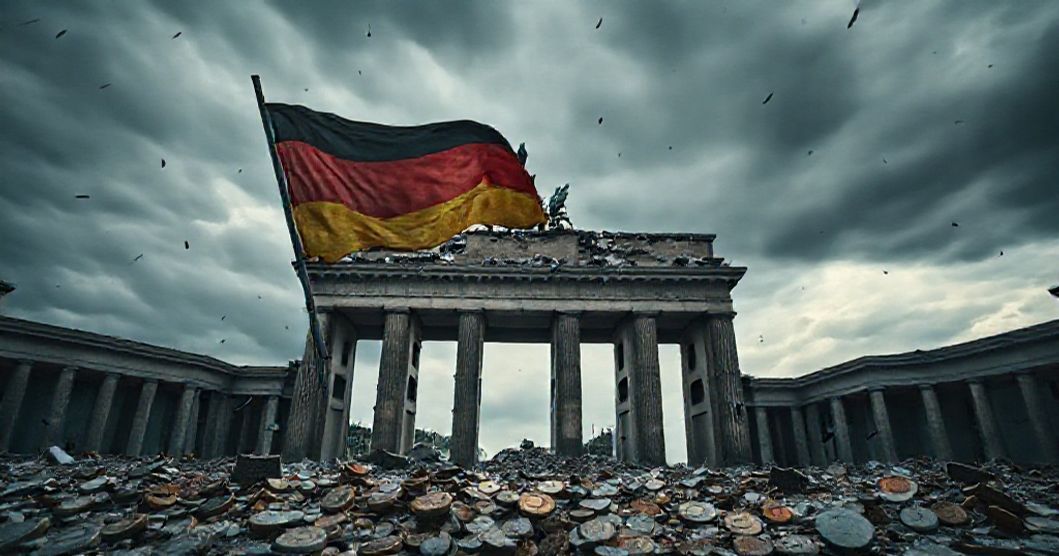
Germany finds itself at a critical juncture, navigating a complex web of economic challenges, political rifts, and significant societal debates. The nation’s stability is currently under intense scrutiny following a landmark court ruling that has plunged the government into an unforeseen budget crisis, triggering widespread concern across various sectors.
The Budget Bomb: Berlin’s Unprecedented Fiscal Crunch
The most pressing issue dominating German headlines is the unprecedented budget crisis that erupted after a ruling by the Federal Constitutional Court. The court declared the reallocation of €60 billion from unused pandemic funds, originally intended for climate and transformation projects, unconstitutional. This decision has created an immediate and massive hole in the government’s financial plans, particularly impacting the 2024 budget and long-term investment strategies.
The ruling has forced Chancellor Olaf Scholz’s ‘Ampel’ coalition – comprising the Social Democrats (SPD), Greens, and Free Democrats (FDP) – into urgent, high-stakes negotiations. The government is scrambling to find ways to cover the deficit without violating Germany’s strict constitutional debt brake, a cornerstone of its fiscal policy. This predicament threatens not only crucial climate investments but also social projects and industrial subsidies, potentially stalling Germany’s green transition and economic modernization efforts. The political fallout is significant, testing the cohesion and future viability of the ruling coalition.
Economic Headwinds: A Nation Grappling with Stagnation
Beyond the budget woes, Germany’s economy continues to face substantial headwinds. Recent data indicates a persistent struggle with *stagnation* and the lingering effects of inflation, albeit with some signs of easing. Industrial production remains subdued, reflecting broader global uncertainties and high energy costs that disproportionately affect Germany’s manufacturing-heavy economy. While experts avoid the term “recession” outright, the economic outlook remains cautious, with growth forecasts repeatedly revised downwards.
Businesses are grappling with increased borrowing costs and a decline in new orders, impacting investor confidence. The government’s ability to stimulate growth and invest in future technologies is now severely constrained by the budget crisis, adding another layer of complexity to an already challenging economic landscape. Small and medium-sized enterprises (SMEs), often considered the backbone of the German economy, are particularly vulnerable to these pressures, threatening job security and overall prosperity.
Social Strain and Energy Concerns: A Winter of Discontent?
As winter approaches, concerns about energy security and affordability are once again surfacing. Despite significant efforts to fill gas storage facilities, the volatility of global energy markets and the ongoing war in Ukraine keep prices elevated, impacting household budgets and industrial competitiveness. Debates surrounding renewable energy expansion, particularly the adoption of heat pumps, continue to be a contentious topic, highlighting the complex balance between environmental goals and economic realities for citizens.
Furthermore, Germany is witnessing intensified discussions around migration policy and social cohesion. Local municipalities are increasingly strained by the influx of refugees, prompting calls for stricter controls and improved integration strategies. These societal debates, coupled with economic uncertainties and political infighting, contribute to a sense of unease among the populace, underscoring the multifaceted challenges currently confronting Germany.
In summary, Germany is navigating a period of profound uncertainty, with its political establishment under pressure to resolve the budget crisis swiftly and effectively, while simultaneously addressing pressing economic and social issues. The coming months will be crucial in determining the nation’s trajectory and its ability to maintain stability amidst a storm of domestic and international challenges.


