
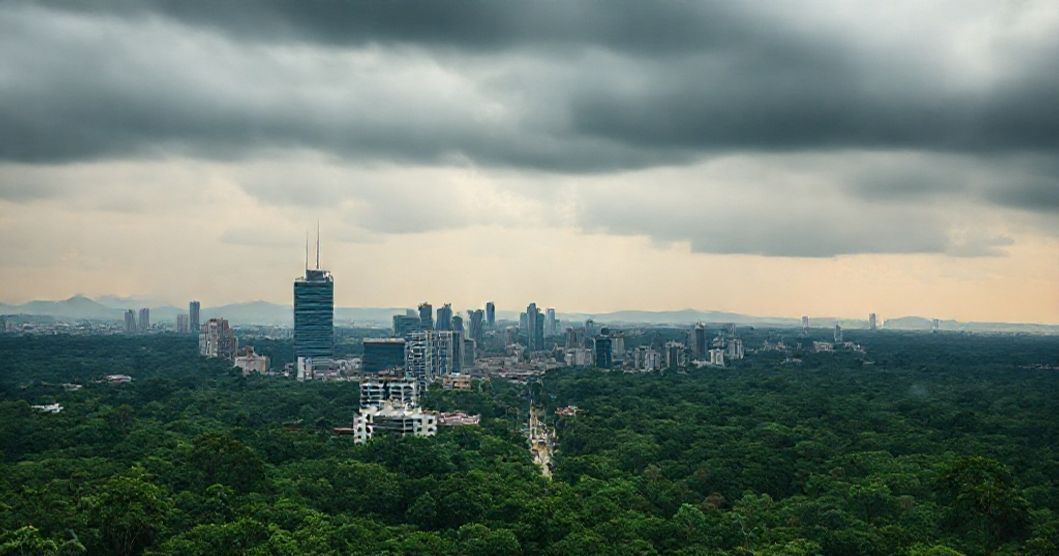
Brazil, a nation renowned for its vibrant culture and immense natural beauty, continues to navigate a complex landscape of political maneuvering, economic shifts, and critical environmental challenges. From the bustling corridors of Brasília to the verdant expanse of the Amazon, the latest news highlights a country in constant flux, grappling with internal pressures and its evolving role on the global stage. Understanding these dynamics is crucial for anyone following South America’s largest economy and most populous nation.
Economic Juggernaut or Jittery Giant?
The Brazilian economy remains a focal point, with recent reports indicating a delicate balance between growth aspirations and the fight against inflation. Policymakers are intensely focused on the new fiscal framework, a critical legislative effort designed to balance government spending with revenue generation. This framework aims to provide predictability and confidence to investors, yet debates continue over its long-term impact on public finances and social programs.
Meanwhile, the Central Bank’s monetary policy, particularly decisions regarding the Selic interest rate, is under constant scrutiny. While inflation has shown signs of moderation, persistent pressures, both domestic and international, mean that economic stability is a hard-won battle. Businesses and consumers alike are closely watching these developments, as they directly influence everything from credit availability to purchasing power. The government’s push for sustainable growth, while managing debt, forms the cornerstone of its economic agenda.
Navigating Global Headwinds
- Commodity Prices: Fluctuations in global commodity prices significantly impact Brazil’s export-driven economy.
- Foreign Investment: Efforts to attract more foreign direct investment continue, with an emphasis on infrastructure and green energy projects.
- Trade Relations: Strengthening trade ties with key partners globally, alongside regional blocs like Mercosur, remains a priority.
Brasília’s Political Chessboard
The political scene in Brasília is as dynamic as ever, marked by strategic alliances, legislative challenges, and an ongoing discourse over governance. The current administration is working to consolidate support in Congress to push forward key reforms, including proposals related to taxation and administrative efficiency. These reforms are crucial for streamlining bureaucracy and improving the business environment, but often face stiff opposition from various political factions.
Public opinion polls offer a snapshot of the nation’s mood, reflecting both approval and apprehension regarding the government’s direction. Key appointments and high-profile legislative votes often dominate headlines, underscoring the intense political negotiations that shape Brazil’s future. The interplay between the executive and legislative branches is a constant source of news, with each development having significant implications for the country’s trajectory.
The Amazon’s Fragile Future
Environmental concerns, particularly regarding the Amazon rainforest, continue to draw international attention and domestic policy efforts. Recent data on deforestation rates remains a critical indicator of the government’s success in protecting this vital ecosystem. Authorities are intensifying efforts to combat illegal logging and mining, implementing stricter enforcement measures and promoting sustainable development practices.
International collaboration also plays a significant role, with several countries and organizations offering support for conservation initiatives. The debate surrounding balancing economic development with environmental preservation is central to Brazil’s long-term sustainability goals. Discussions around carbon credits, biodiversity protection, and the rights of indigenous communities are integral to this complex challenge.
Key Environmental Initiatives:
- Reinforced surveillance and enforcement operations in critical areas.
- Promotion of sustainable agriculture and forest management.
- Engagement with indigenous communities for conservation efforts.
From the intricate dance of economic policy to the urgent need for environmental stewardship, Brazil’s journey is one of continuous adaptation and resilience. The stories emerging from its diverse regions paint a picture of a nation striving for progress while confronting its multifaceted realities, ensuring its place as a pivotal player in regional and global affairs.


