
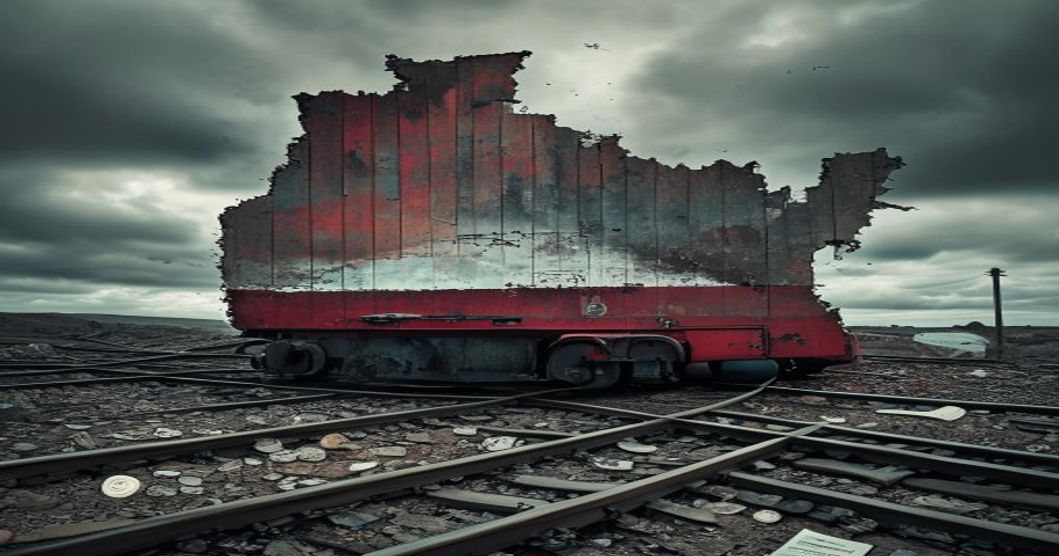
Germany, the economic powerhouse of Europe, finds itself navigating turbulent waters as two major domestic crises dominate headlines: an unprecedented budgetary freeze and a looming nationwide railway strike. These developments not only challenge the stability of the ruling coalition but also threaten to cast a long shadow over the nation’s economic outlook and the daily lives of its citizens.
Germany’s Unprecedented Budgetary Freeze: A Constitutional Earthquake
In a shock ruling that sent ripples through Berlin, Germany’s Constitutional Court declared the government’s controversial reallocation of 60 billion euros from unused COVID-19 funds for climate and transformation projects as unconstitutional. This verdict has plunged Chancellor Olaf Scholz’s three-party coalition into an immediate and severe budgetary crisis, effectively freezing new spending and raising profound questions about the financing of future initiatives.
- Immediate Fallout: The court’s decision has created a gaping hole in the 2024 budget, leaving several key climate investments, industrial subsidies, and social programs in limbo. Experts warn of significant delays or even outright cancellations of projects vital for Germany’s green transition and economic modernization.
- Political Turmoil: The ruling has intensified internal divisions within the “traffic light” coalition of the Social Democrats (SPD), Greens, and Free Democrats (FDP). The FDP, championing fiscal discipline, clashes with the Greens and parts of the SPD, who advocate for greater investment. The viability of the coalition itself, already strained by policy disagreements, is now under intense scrutiny, with some pundits even speculating about the possibility of early elections if a consensus cannot be found swiftly.
- Economic Ripple Effect: Businesses relying on government subsidies for decarbonization or digital transformation now face immense uncertainty. Economists predict that the budget freeze could dampen investment, slow economic growth, and potentially exacerbate Germany’s already precarious economic situation, which is teetering on the brink of recession. The government’s ability to maintain its commitment to public services and international obligations is also being questioned.
Nationwide Rail Strike Looms: Commuters Brace for Havoc
Adding to the nation’s woes, Germany is bracing for a significant rail strike as the GDL train drivers’ union escalates its dispute with Deutsche Bahn (DB). The union has called for a 24-hour warning strike, threatening to bring large parts of the country’s public transport and freight services to a standstill. This latest action follows previous warning strikes and failed negotiation rounds, highlighting a deepening rift over wages, working conditions, and working hours.
- Impact on Daily Life: The strike will severely impact millions of commuters, students, and travelers across Germany, who rely heavily on the extensive rail network. Cities are anticipating increased traffic congestion, while regional services are expected to face widespread cancellations.
- Economic Disruption: Beyond passenger services, the strike also threatens crucial freight transport, which is vital for Germany’s industrial supply chains. Delays in raw materials and finished goods could further strain an economy already grappling with high energy costs and global instability.
- Broader Labor Tensions: The GDL strike is emblematic of broader labor disputes unfolding across Germany, where high inflation has fueled demands for better pay and conditions in various sectors. The outcome of these negotiations could set a precedent for future industrial actions.
Looking Ahead: A Nation at a Crossroads
These dual crises present a formidable challenge for Germany. The government must find a constitutional and politically viable path forward for its budget, balancing fiscal responsibility with crucial investments for the future. Simultaneously, a swift resolution to the railway dispute is essential to mitigate economic damage and public frustration. The coming weeks will be critical in determining Germany’s ability to navigate these complex internal pressures and maintain its position as a pillar of European stability.


