
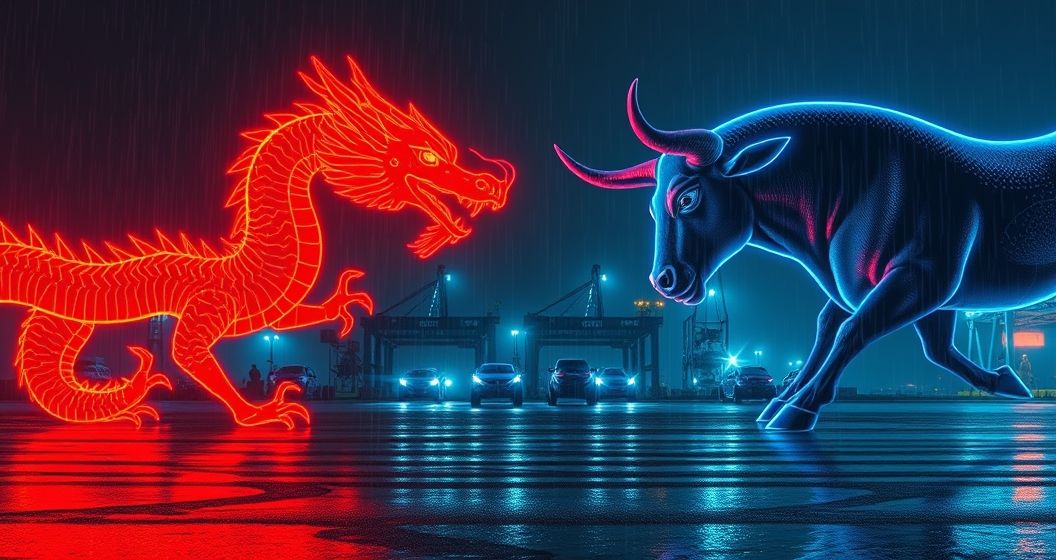
A significant trade dispute is brewing between China and the European Union after the European Commission announced its decision to impose new tariffs on imported Chinese electric vehicles (EVs). Beijing immediately condemned the move, vowing to take all necessary measures to protect its interests and signaling a potential escalation in economic tensions. The dispute centers on the EU’s claim that Chinese EV makers benefit from unfair state subsidies, allowing them to undercut European competitors.
The EU’s Anti-Subsidy Investigation
The European Commission’s action follows a months-long investigation into China’s EV supply chain. According to Brussels, the probe found “compelling evidence” of unfair subsidization that harms European car manufacturers. The proposed tariffs, which vary by manufacturer, are intended to counteract these subsidies and create a more level playing field for domestic producers. EU officials argue that this protective measure is crucial for the survival and competitiveness of Europe’s vital automotive industry as it transitions to electric mobility.
Beijing’s Strong Condemnation
China’s Ministry of Commerce swiftly rejected the EU’s findings, describing the tariffs as a “blatant act of protectionism.” In a public statement, the ministry argued that the decision lacks a factual and legal basis and disrupts the global automotive supply chain. Beijing views the move as an attempt to suppress the growth of its industries and has urged the EU to correct its “wrongdoing.” Officials have emphasized that China will not stand by and will firmly defend the legitimate rights and interests of its companies.
Potential Targets for Retaliation
While China has not yet detailed its specific countermeasures, speculation is growing about which European sectors could be targeted. In past trade disputes, Beijing has often responded with tariffs on agricultural goods and high-value products. European exports such as pork, dairy products, wine, and luxury automobiles could be at risk. Such a move would be designed to apply economic pressure on key EU member states, potentially creating internal divisions and encouraging a diplomatic resolution more favorable to Chinese interests.
Broader Implications for Global Trade
The standoff carries significant implications for the global economy and the green energy transition. A full-blown trade war could lead to higher prices for consumers, disrupt international supply chains, and create uncertainty for businesses worldwide. Furthermore, by making EVs more expensive, the tariffs could slow down the adoption of clean technology, complicating international efforts to combat climate change. The coming weeks will be crucial as the world watches to see if diplomacy can de-escalate the conflict before it intensifies further.


