
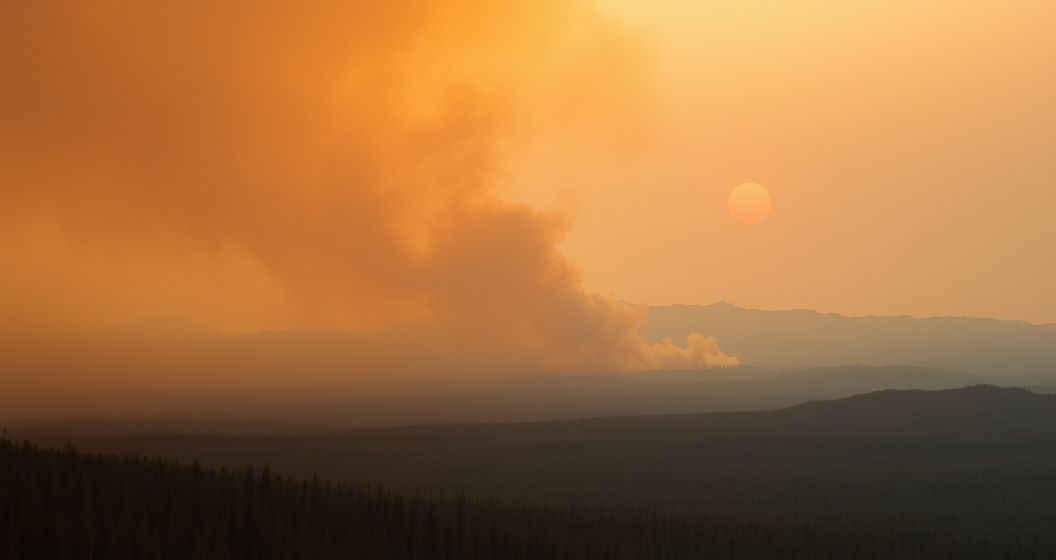
Canada is facing a significant environmental challenge as multiple out-of-control wildfires, particularly in the western provinces, continue to burn. These blazes have forced thousands from their homes and have sent thick plumes of smoke across vast regions, leading to widespread air quality advisories. Authorities are urging residents in affected areas to take precautions as the smoke poses a considerable health risk, blanketing communities in a dense haze and severely reducing visibility.
The Epicentre of the Blaze
British Columbia and Alberta remain the provinces most severely impacted by the wildfire season. Firefighting crews are working tirelessly to contain dozens of major fires, many of which were ignited by dry conditions and lightning strikes. The situation has prompted local states of emergency and evacuation orders for numerous communities, displacing residents and putting a strain on emergency resources. The scale of the fires has created challenging conditions for both ground crews and aerial support teams.
Widespread Air Quality Advisories
The most immediate and far-reaching consequence of the wildfires is the drastic decline in air quality. Smoke has travelled hundreds of kilometres, affecting not only the regions near the fires but also major metropolitan areas. Environment Canada has issued special air quality statements for large swaths of the country, warning of high levels of fine particulate matter (PM2.5) in the atmosphere. The Air Quality Health Index (AQHI) has consistently registered in the high-risk category in many locations.
Health Risks and Public Guidance
Health officials are advising the public, especially vulnerable populations, to take the smoke seriously. The fine particles in wildfire smoke can penetrate deep into the lungs and bloodstream, causing a range of health issues. Individuals with pre-existing conditions like asthma or heart disease, along with children and the elderly, are at the highest risk. To mitigate exposure, experts recommend:
- Staying indoors as much as possible with windows and doors closed.
- Using air purifiers with HEPA filters to improve indoor air quality.
- Avoiding strenuous physical activity outdoors.
- Wearing a well-fitted N95 mask if you must go outside for an extended period.
Emergency Response and Evacuations
Provincial governments are coordinating a large-scale response, deploying firefighters, equipment, and support personnel to the front lines. Evacuation centres have been established to provide shelter and assistance to those forced to leave their homes. The focus remains on protecting lives and property, but the unpredictable nature of the fires, driven by wind and weather, makes containment a difficult and ongoing battle for emergency crews on the ground.
Looking ahead, the situation remains heavily dependent on weather patterns. While cooler temperatures or rainfall could provide much-needed relief for firefighters, forecasts in some areas suggest that challenging conditions may persist. The long-term impact on the environment and affected communities will take time to assess as Canada continues to confront this intense wildfire season.


