
Australia is currently navigating a period of significant domestic challenges, with economic pressures, a contentious national referendum, and escalating environmental concerns dominating headlines. From the Reserve Bank’s crucial decisions impacting household budgets to the fervent debate surrounding the Indigenous Voice to Parliament, and the ominous forecasts for the upcoming bushfire season, the nation finds itself at a pivotal juncture. Staying informed on these critical developments is essential as they shape the daily lives and future trajectory of Australians.
The Economic Tightrope Walk: Cost of Living Squeeze Continues
The Australian economy remains firmly in the spotlight, with the cost of living crisis continuing to be the top concern for many households. Despite the Reserve Bank of Australia (RBA) holding interest rates steady at its most recent meeting, the underlying message was clear: inflation remains persistent, and future rate hikes are not off the table. This cautious approach reflects the delicate balance the RBA is attempting to strike between taming inflation and avoiding a severe economic downturn.
Energy prices, grocery bills, and general household expenses continue their upward trend, placing immense pressure on budgets. Economists are closely watching global supply chains and domestic wage growth, as both factors play a significant role in the inflation outlook. Government initiatives aimed at providing targeted relief are underway, but many argue that more comprehensive solutions are needed to genuinely alleviate the financial burden on families.
Housing Affordability at Breaking Point
A particularly acute aspect of the cost of living crisis is the dire state of housing affordability. Australia’s major cities are experiencing unprecedented rental increases, leading to a severe rental crisis. Vacancy rates are at historic lows, pushing rents sky-high and forcing many into precarious living situations or even homelessness. The combination of high interest rates impacting mortgage holders and soaring rents for tenants paints a bleak picture for a significant portion of the population.
Calls for federal and state governments to address the housing supply shortage, implement renter protections, and explore innovative solutions are growing louder. The issue is now firmly entrenched as a top political priority, with various proposals being debated to tackle this multifaceted challenge.
The Voice Referendum: A Nation Divided on Indigenous Recognition
The national conversation around the proposed Indigenous Voice to Parliament continues to intensify as Australia heads towards a historic referendum. The ‘Yes’ campaign, advocating for a constitutionally enshrined advisory body for Aboriginal and Torres Strait Islander peoples, and the ‘No’ campaign, raising concerns about its effectiveness and implications, are both campaigning vigorously across the country. Recent polls suggest a narrowing gap, with the ‘No’ vote gaining momentum, signaling a challenging path ahead for the ‘Yes’ camp.
Key political figures, including Prime Minister Anthony Albanese, are crisscrossing the nation to rally support for the ‘Yes’ vote, emphasizing reconciliation and practical outcomes. Conversely, opposition leader Peter Dutton and other prominent ‘No’ campaigners are highlighting questions of detail, practicality, and potential divisiveness. The debate is robust, encompassing legal interpretations, historical context, and the future of Indigenous relations in Australia.
Political Tensions Escalate
The referendum has undoubtedly elevated political tensions, drawing sharp lines between the major parties and within the broader community. The outcome will not only determine the future of Indigenous recognition but also have significant ramifications for the political landscape and the government’s mandate going forward. Understanding the nuanced arguments from both sides is crucial for grasping the full scope of this monumental national decision.
Climate Concerns Mount: Facing the Heat of El Niño
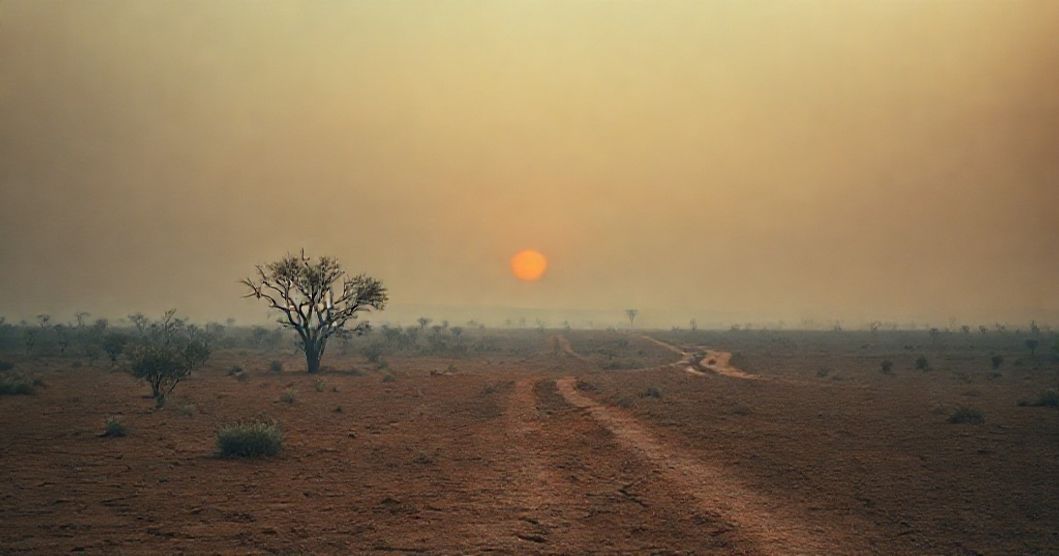
As Australia transitions into spring, alarming climate forecasts are generating widespread concern, particularly regarding the imminent bushfire season. The Bureau of Meteorology has officially declared an El Niño event, signaling a higher likelihood of warmer and drier conditions across much of the country. This declaration is a stark warning for communities, emergency services, and agricultural sectors, which are bracing for what could be a challenging summer.
Bushfire agencies are urging heightened preparedness, emphasizing the need for property owners to clear vegetation and have clear emergency plans in place. The memory of the devastating “Black Summer” bushfires remains fresh, underscoring the potential severity of El Niño-fueled conditions. Coupled with the dry outlook, parts of Australia are also grappling with ongoing drought concerns, further impacting water security and agricultural productivity.
Water Scarcity and Agricultural Impact
The combination of El Niño and drought conditions poses a significant threat to Australia’s vital agricultural sector. Farmers are already making difficult decisions regarding crop planting and livestock management in anticipation of reduced rainfall. Water storages are being closely monitored, and the spectre of water restrictions looms over several regions. The economic impact on rural communities, already vulnerable to climate variability, could be substantial.
In conclusion, Australia faces a complex interplay of economic headwinds, a divisive political referendum, and serious environmental threats. These interconnected challenges require careful navigation by both leadership and the populace, highlighting a dynamic period of change and adaptation for the nation.


