
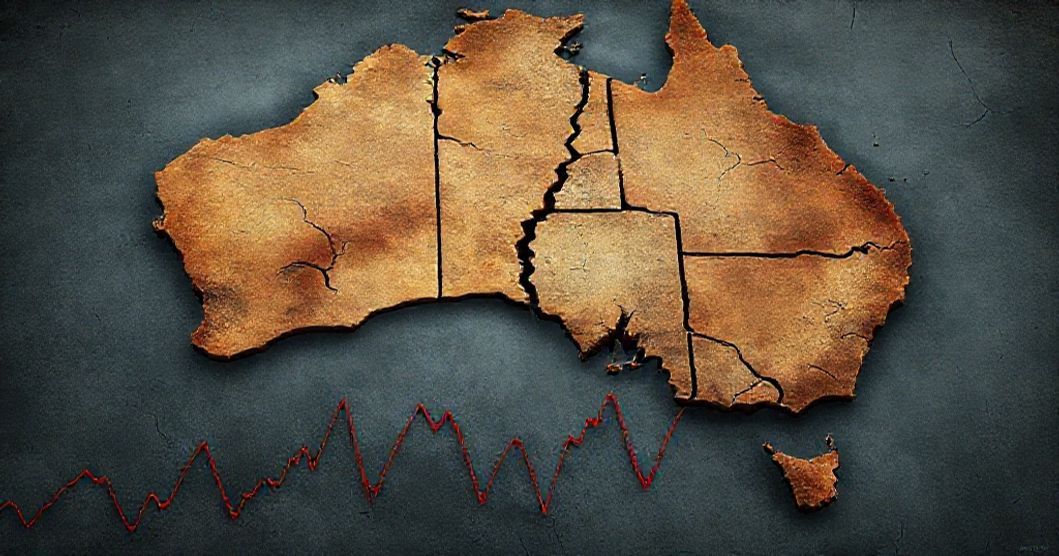
Australia is buzzing with a mix of economic jitters, political maneuvering, and critical environmental discussions. From interest rate decisions that directly impact household budgets to crucial debates on housing and climate action, the nation is navigating a complex landscape. Here’s a deep dive into the latest developments shaping life Down Under.
RBA’s Latest Move: The Ripple Effect on Your Wallet
The Reserve Bank of Australia (RBA) has once again captured national attention with its recent monetary policy announcement. While economists debate the nuances, the core impact is clear: interest rates continue to be a primary concern for millions of Australians. The central bank’s stance, aimed at curbing persistent inflation, has led to intense scrutiny from homeowners and prospective buyers alike.
- Many households are feeling the squeeze as mortgage repayments climb, adding significant pressure to the already high cost of living.
- Analysts suggest that while inflation shows signs of moderating, the path to the RBA’s target band remains challenging, hinting at potential future adjustments.
- Small businesses are also grappling with increased borrowing costs, which could affect investment and job creation across the country.
Experts predict that consumer spending patterns will remain subdued in the coming months as families prioritize essential expenditures over discretionary purchases, leading to a cautious economic outlook for the remainder of the year.
Australia’s Housing Crisis: A Looming Challenge
The Australian housing market continues to be a hotbed of discussion, with affordability reaching critical levels in major cities. Recent government initiatives and proposed reforms aim to address the escalating crisis, but the road ahead appears arduous.
Policy makers are facing immense pressure to deliver tangible solutions amidst rising rental costs and dwindling housing supply. Key proposals include:
- Increased funding for social housing projects to provide relief for vulnerable populations.
- Reforms to planning regulations to accelerate new housing developments and boost supply.
- Debates around tax incentives for property investors versus first-home buyers, seeking a delicate balance in the market.
The struggle for affordable housing is not just an economic issue; it’s a social one, impacting mental health, community stability, and the overall quality of life for a significant portion of the population.
Climate Action Down Under: From Floods to Future Policy
Australia’s susceptibility to extreme weather events continues to underscore the urgency of climate action. Following periods of intense heatwaves and devastating floods in various regions, the national conversation around environmental policy is intensifying.
Understanding the Environmental Impact
Recent scientific reports highlight the increasing frequency and severity of natural disasters, directly linking them to global climate change. Communities across Queensland, New South Wales, and Victoria have borne the brunt of these events, leading to significant economic losses and social disruption.
The federal government is under renewed pressure to strengthen its commitments to emission reduction targets and invest further in renewable energy infrastructure. Public opinion polls consistently show strong support for decisive action on climate change, pushing policymakers to prioritize sustainable solutions. The debate extends to sectors like agriculture and mining, seeking pathways to decarbonization without compromising economic stability.
These pressing issues define Australia’s current landscape, demanding robust responses and collaborative efforts from all levels of society.


