
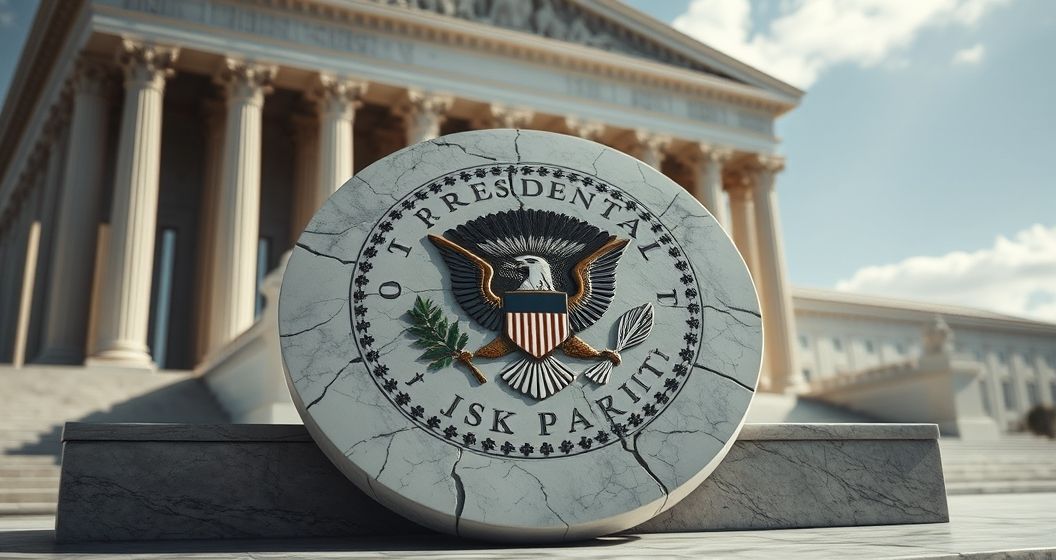
In a landmark decision, the Supreme Court has ruled that former presidents possess partial immunity from criminal prosecution for actions taken while in office. The court determined that presidents are shielded from charges related to their official acts but can be prosecuted for conduct deemed private. This ruling remands the federal election interference case against former President Donald Trump back to lower courts for further proceedings.
The Foundation of the Ruling
The majority opinion, authored by Chief Justice John Roberts, established a new legal framework for assessing presidential accountability. The court reasoned that absolute immunity was not viable, but neither was the complete absence of it. The decision aims to protect the executive office, allowing presidents to make difficult and potentially controversial decisions without the constant fear of politically motivated prosecution after leaving office. The ruling seeks to strike a balance between executive authority and the principle that no one is above the law.
This decision creates a critical distinction that lower courts must now apply. The central question for any future prosecution of a former president will be whether the alleged criminal conduct was part of their official duties or was purely private in nature. This sets the stage for complex legal battles over the definition and scope of a president’s responsibilities.
Distinguishing Official and Private Acts
The Supreme Court did not define a clear line between official and private conduct, leaving that task to the lower courts. The framework suggests that an act is likely official if it falls within the constitutional powers of the presidency. For example, issuing executive orders, conducting foreign policy, or commanding the armed forces would be considered official duties. Conversely, actions taken for personal gain or for purely electoral purposes may be classified as private.
This new legal test requires a detailed factual analysis of each charge. In the case involving Donald Trump, prosecutors and defense attorneys will argue over whether his efforts to challenge the 2020 election results were an official attempt to ensure election integrity or a private effort to remain in power as a political candidate. The outcome of these arguments will determine which charges, if any, can proceed to trial.
Immediate Impact on Federal Cases
The most direct consequence of this ruling is a significant delay in the federal case brought by Special Counsel Jack Smith. The case must now return to the district court, which will hold hearings to determine which of the allegations against Trump constitute official acts. This process is expected to be lengthy and will almost certainly involve further appeals, making a trial before the upcoming presidential election highly improbable.
The Dissenting Opinion
The court’s liberal justices dissented, arguing that the ruling creates a dangerous shield for presidential misconduct. They warned that granting any form of immunity for official acts could embolden future presidents to abuse their power, knowing they might be protected from criminal liability. The dissent emphasized that presidents should be held to the same legal standards as any other citizen.
A New Precedent for Executive Power
Ultimately, the Supreme Court’s decision establishes a new and untested precedent that will shape the future of presidential power and accountability. While it provides some protection for the executive office, it also opens the door to prosecuting former presidents for private misconduct. The full implications of this ruling will unfold as the lower courts begin the complex task of applying this new legal standard to specific cases.