
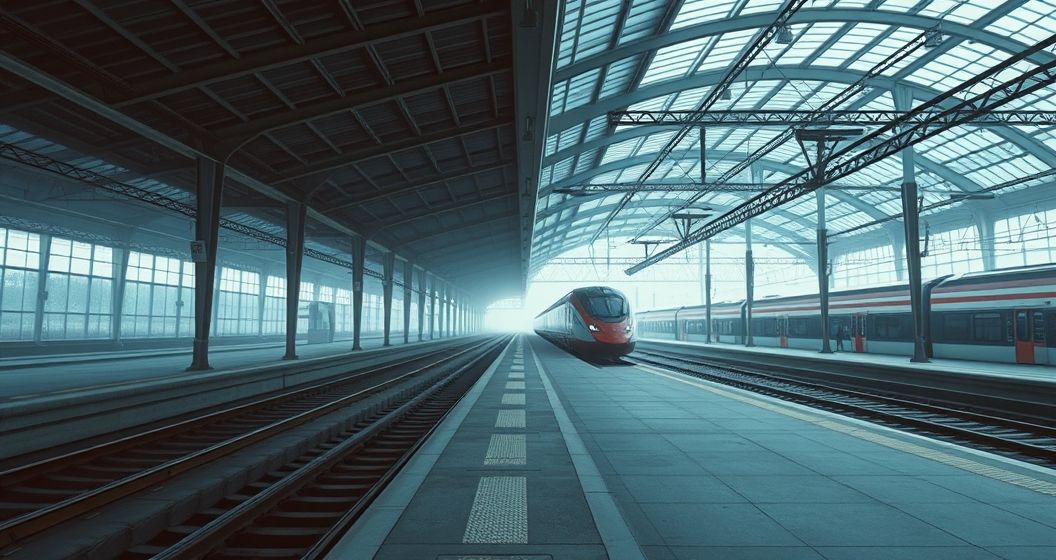
Germany is preparing for significant travel disruption as the GDL train drivers’ union has announced a new nationwide strike. The industrial action is expected to halt a vast majority of long-distance, regional, and S-Bahn services operated by Deutsche Bahn, affecting millions of commuters and travelers. This latest escalation marks a critical point in the ongoing and increasingly bitter collective bargaining dispute between the union and the state-owned rail company, with no immediate resolution in sight.
The Core of the Dispute: Pay and Working Hours
At the heart of the conflict are the GDL’s key demands for its members. The union is pushing for a significant pay increase to combat inflation, alongside a one-time bonus payment. However, the most contentious issue is the demand to reduce the standard working week for shift workers from 38 to 35 hours without a corresponding reduction in pay. The GDL argues this change is essential for improving work-life balance and making the profession more attractive to new talent in a tight labor market.
Deutsche Bahn has presented a counter-offer that includes a substantial pay rise phased in over a longer period and a bonus. The company has so far rejected the demand for a reduced working week at full pay, stating that it is financially unfeasible and would exacerbate the existing shortage of skilled workers. The company has instead proposed flexible working time models, which the union has dismissed as inadequate, leading to the current stalemate and subsequent strike calls.
Widespread Impact on Commuters and Cargo
The strike’s impact will extend far beyond passenger travel. Commuters who rely on the rail network to get to work will face major challenges, with many forced to seek alternative transportation or work from home. The cancellation of thousands of services will lead to overcrowded roads and increased demand for bus services and car-sharing platforms. Major cities that depend on S-Bahn networks for public transport will experience severe limitations, causing daily chaos for residents.
Furthermore, Germany’s economy is heavily reliant on rail for freight transport. The strike will disrupt critical supply chains, with goods unable to move from ports to industrial centers. This stoppage affects various sectors, from automotive manufacturing to retail, and could lead to production delays and empty shelves if the industrial action is prolonged. The economic cost of each strike day is estimated to be in the millions of euros.
Emergency Timetables and Public Reaction
In response to the strike announcement, Deutsche Bahn is working to implement an emergency timetable. This plan will operate a severely limited number of services, prioritizing major routes to maintain a basic level of connectivity. However, the company has warned that it can only guarantee a small fraction of its usual services and has urged passengers to postpone any non-essential travel during the strike period. Information regarding the emergency schedule is being updated on the company’s official channels.
The public’s reaction remains divided. While many travelers express frustration over the repeated disruptions, there is also a degree of understanding for the train drivers’ demands for better working conditions. As the dispute continues, both sides are facing increasing pressure from politicians and business associations to return to the negotiating table and find a compromise that can restore reliable rail service across the country.


