
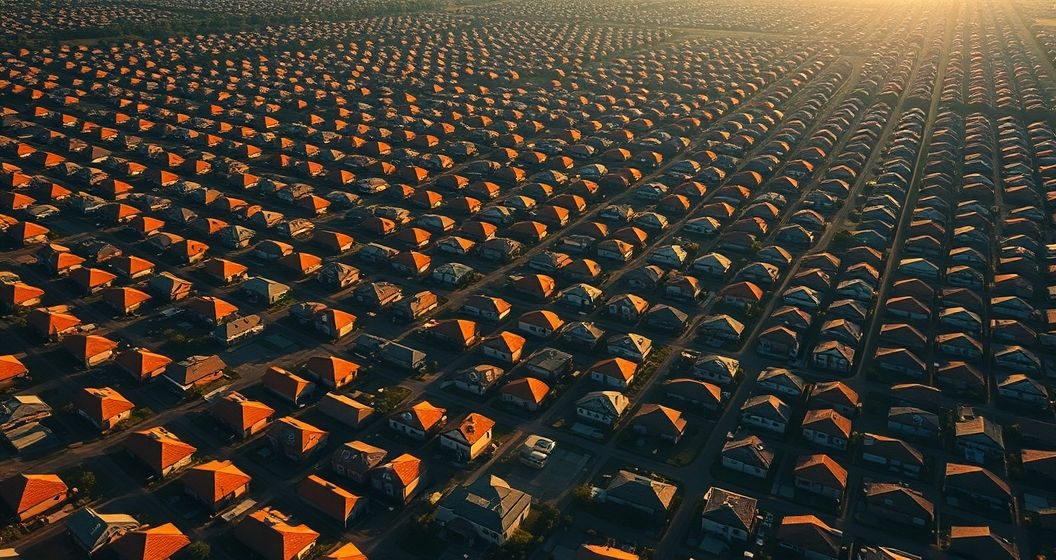
Australia is grappling with an unprecedented rental crisis, as national vacancy rates plummet to historic lows. This severe shortage of available properties is driving rent prices to new heights, placing immense financial pressure on households across the country. The intense competition for housing has become a defining feature of the current market, affecting both metropolitan and regional areas alike and leaving many prospective tenants in precarious situations.
The Core of the Problem: Supply vs. Demand
At the heart of the crisis is a fundamental imbalance between housing supply and soaring demand. A combination of factors, including a rebound in migration, a slowdown in new construction projects due to labour shortages and material costs, and a preference for short-term rentals in some areas, has created a perfect storm. With more people competing for fewer available properties, landlords and property managers are receiving dozens, sometimes hundreds, of applications for a single listing.
National Vacancy Rates Hit New Lows
Recent data indicates that the national rental vacancy rate has fallen to a record low, hovering around just one per cent. In a balanced market, a vacancy rate of three per cent is considered healthy. The current figure signifies a critically undersupplied market where properties are leased almost as soon as they become available. This environment not only pushes prices up but also reduces the bargaining power of tenants, who may feel pressured to accept less-than-ideal conditions.
The Human Cost of Soaring Rents
Beyond the statistics, the rental crisis is having a profound impact on the lives of everyday Australians. Families are being priced out of their communities, essential workers are struggling to find affordable housing near their jobs, and vulnerable individuals face an increased risk of homelessness. The financial strain is significant, with a growing number of households now in “rental stress,” defined as spending more than 30 per cent of their income on rent. This leaves less money for other essentials like food, healthcare, and transport.
Regional Areas No Longer an Escape
While major capital cities have historically been the epicentres of housing pressure, the crisis is now firmly entrenched in regional Australia. The shift towards remote work and a desire for more space during the pandemic accelerated demand in regional towns, a trend that has continued. As a result, many regional areas are experiencing rental affordability challenges that are just as severe, if not worse, than their metropolitan counterparts, dismantling the long-held belief that moving to the country is an easy solution.
Potential Solutions and Government Response
Addressing the rental crisis requires a multi-faceted approach. Experts and policymakers are debating a range of solutions, from boosting the supply of social and affordable housing to incentivising build-to-rent developments. Some state governments have introduced reforms to strengthen renters’ rights and limit the frequency of rent increases. However, most agree that the core issue of housing supply must be addressed through long-term strategies and significant investment to bring the market back into balance.


