
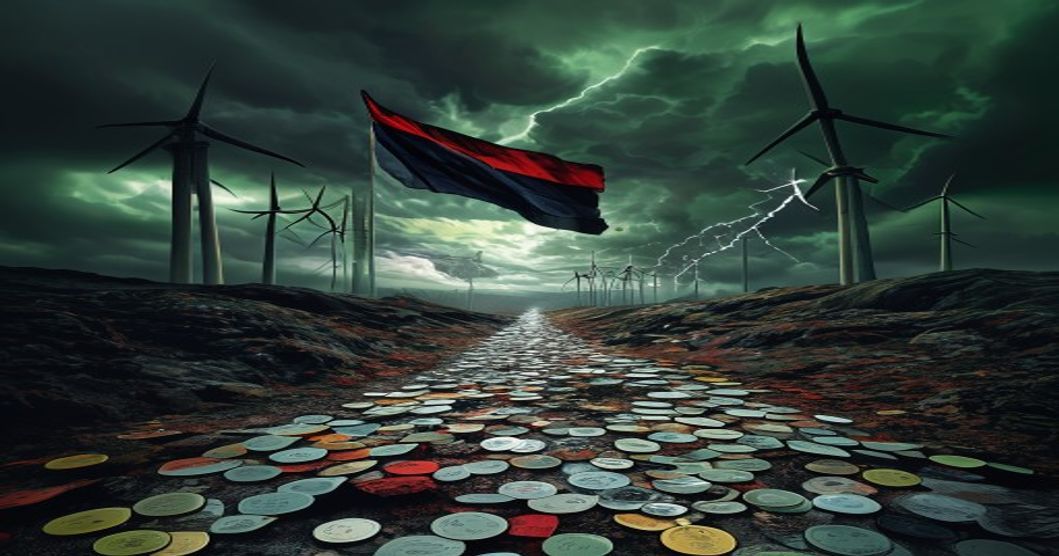
Germany, often considered the economic engine of Europe, is currently navigating a complex landscape marked by **significant economic headwinds**, ambitious climate goals, and palpable political tensions within its ruling coalition. As the nation grapples with a myriad of challenges, the focus remains firmly on securing future prosperity and stability amidst global uncertainties.
Unpacking Germany’s Economic Rollercoaster
The German economy finds itself at a critical juncture. Recent indicators paint a picture of persistent **inflationary pressures**, with consumers and businesses alike feeling the squeeze from rising costs. Energy prices, although somewhat stabilized from their peaks, continue to exert influence, particularly on industrial production. Experts are closely monitoring the risk of a technical recession, prompting intense debates over the government’s fiscal policies.
- Budget Battles: The 2024 federal budget has become a contentious battleground, revealing deep divisions within the ruling “Ampelkoalition” (traffic light coalition) of the SPD, Greens, and FDP. Discussions revolve around balancing ambitious investment plans with fiscal discipline, particularly concerning the country’s constitutional “debt brake.”
- Industry Concerns: Key German industries, from manufacturing to chemicals, are vocal about the need for competitive energy prices and reduced bureaucratic hurdles to maintain their global standing. The future of strategic sectors hangs in the balance as the nation seeks to bolster resilience.
The Climate Conundrum: Heating Laws & Energy Transition
Germany’s commitment to climate protection is unwavering, yet the implementation of key policies has stirred considerable controversy. The proposed **Building Energy Act (GEG)**, commonly known as the “heating law,” designed to phase out fossil fuel heating systems, has ignited widespread public debate and political infighting. While aiming for ambitious decarbonization, concerns about affordability for homeowners and the practicalities of implementation have dominated headlines.
Beyond the heating law, Germany is pushing ahead with its broader energy transition strategy, focusing on the rapid expansion of renewable energy sources. This monumental shift involves:
- Wind and Solar Power: Accelerating the development of onshore and offshore wind farms, alongside photovoltaic installations, to meet ambitious renewable energy targets.
- Grid Modernization: Significant investments in upgrading and expanding the national power grid to handle the increasing share of fluctuating renewable energy.
The challenge lies in ensuring a smooth, cost-effective transition that maintains energy security and public acceptance.
Political Tensions & Shifting Sands
The “Ampelkoalition” faces ongoing internal strains as it navigates complex policy decisions. Ideological differences between the SPD (social democrats), Greens (environmentalists), and FDP (liberals) frequently surface, particularly on issues of fiscal policy, social spending, and climate measures. These tensions have contributed to a perceived lack of cohesion and have impacted public confidence.
Key Political Flashpoints:
- Migration Policy: Debates surrounding asylum procedures, integration, and the influx of refugees remain a sensitive and highly politicized topic, with calls for tighter controls and more efficient processing.
- Rise of the AfD: The far-right Alternative for Germany (AfD) party continues to gain traction in opinion polls, reflecting growing dissatisfaction among some segments of the electorate with traditional parties and current policies. This surge poses a significant challenge to the established political order.
- Social Spending: The future of social welfare programs, including the “Bürgergeld” (citizen’s income), is under scrutiny as the government balances support for vulnerable populations with the need for fiscal prudence.
As Germany looks ahead, the government’s ability to forge consensus, address public concerns, and deliver tangible results will be crucial in restoring confidence and ensuring a stable path forward. The coming months are set to be pivotal for the nation’s economic recovery, climate agenda, and political landscape.


