
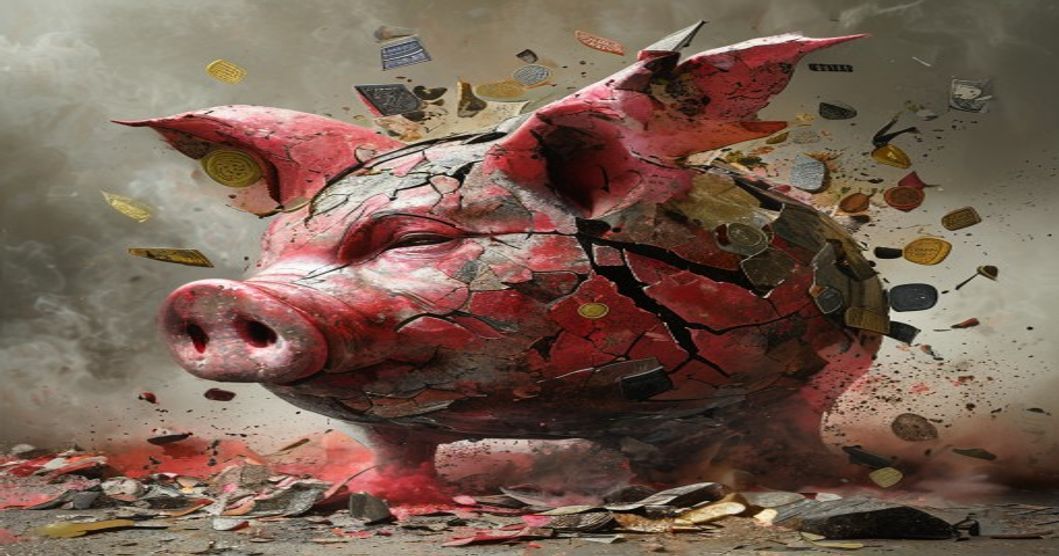
Germany, Europe’s economic powerhouse, finds itself at a pivotal moment, grappling with a complex web of domestic financial crises and evolving geopolitical dynamics. The nation is currently navigating the fallout from a landmark constitutional court ruling that has thrown its federal budget into disarray, forcing the ruling coalition to scramble for solutions while simultaneously addressing persistent economic headwinds and its significant role on the international stage.
The Budget Bombshell: A Nation On Edge
The recent ruling by Germany’s Constitutional Court, which deemed the reappropriation of unused pandemic funds for climate initiatives unconstitutional, has left a gaping hole of tens of billions of euros in the government’s budget plans. This decision has not only created an immediate financial shortfall but has also ignited a fierce debate about the future of Germany’s strict “debt brake” and its implications for public spending. The ruling has put numerous planned projects, from crucial climate investments to social programs, under intense scrutiny and potential cancellation.
Chancellor Olaf Scholz’s coalition government, comprised of the Social Democrats (SPD), the Greens, and the liberal FDP, is now under immense pressure to find an immediate and sustainable path forward. Finance Minister Christian Lindner (FDP) insists on adhering to the debt brake, advocating for significant spending cuts across ministries. This stance has inevitably led to heightened tensions within the coalition, with the Greens and parts of the SPD pushing for creative solutions that might allow for continued investments, especially in climate protection and social welfare.
Coalition Cracks Widen Amidst Fiscal Strain
The budget crisis has exposed and amplified existing fault lines within the so-called “Ampelkoalition” (traffic light coalition). Disagreements over fiscal policy, investment priorities, and the interpretation of constitutional limits are now more pronounced than ever. Each party is attempting to safeguard its core promises, making consensus-building a daunting task. The ongoing friction risks undermining the government’s stability and its ability to govern effectively at a time when decisive leadership is paramount. Political analysts suggest that the coming weeks will be crucial in determining the longevity and coherence of the current administration.
Economic Headwinds and Lingering Inflation Fears
Beyond the internal political squabbles, Germany’s economy continues to face significant challenges. While the most severe energy crisis fears have somewhat receded, inflation remains a persistent concern, albeit showing signs of moderation. The latest economic forecasts point to sluggish growth, with some sectors struggling with high energy costs and a global economic slowdown. Businesses are calling for clarity and stability, fearing that budget uncertainties could further dampen investment and consumer confidence. The European Central Bank’s monetary policy, aimed at taming inflation, also plays a critical role in Germany’s economic outlook, impacting borrowing costs and overall economic activity.
Green Transition at a Crossroads?
Germany’s ambitious goals for the energy transition and climate neutrality are also directly impacted by the budget crisis. Many key projects, particularly those funded through the now-blocked Climate and Transformation Fund, are in jeopardy. The government’s push for renewable energy expansion, decarbonization of industry, and the controversial heating law could all face delays or significant scaling back. Environmental groups and industry alike are watching closely, concerned that a lack of funding could derail Germany’s progress on climate action and its commitment to a sustainable future.
- The future of subsidies for green industries hangs in the balance.
- Infrastructure projects for renewable energy face potential delays.
- Debates around the affordability of the green transition intensify.
Germany’s Enduring Global Role
Despite its internal challenges, Germany continues to play a vital role on the global stage, particularly concerning the war in Ukraine. Berlin remains a steadfast supporter of Kyiv, providing substantial military, financial, and humanitarian aid. Chancellor Scholz has reaffirmed Germany’s commitment to European security and its allies, despite the domestic fiscal constraints. Furthermore, Germany is actively engaged in diplomatic efforts concerning the Middle East and other global hotspots, solidifying its position as a key player in international relations. The balancing act between domestic needs and global responsibilities has rarely been more delicate.


