
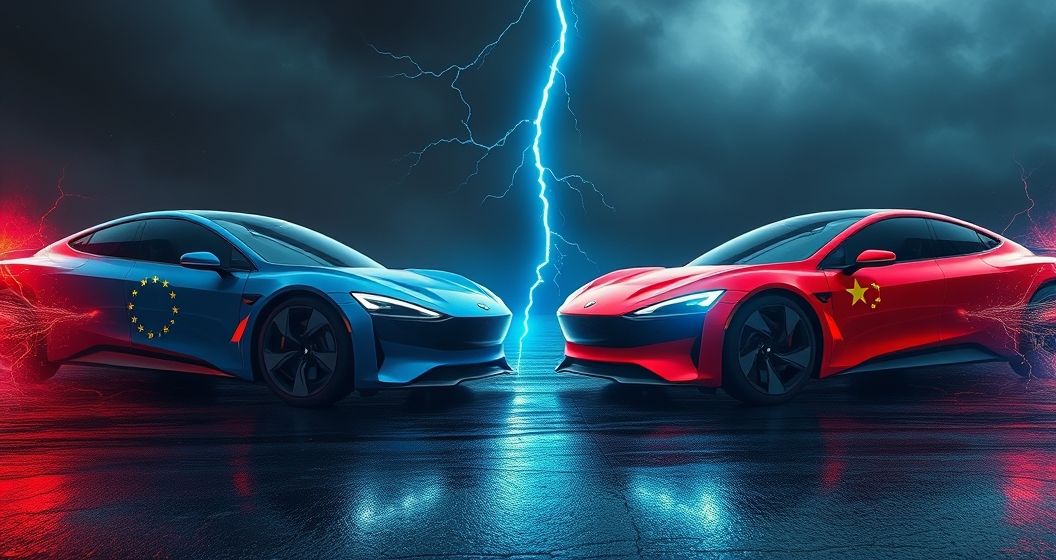
Escalating trade tensions between the European Union and China have reached a critical point following the EU’s decision to impose significant tariffs on Chinese electric vehicles. Beijing has strongly condemned the move as blatant protectionism, signaling that it is prepared to implement retaliatory measures. This developing situation threatens to disrupt a multi-billion dollar trade relationship and could have far-reaching consequences for global markets and consumers alike, putting key industries on high alert.
The Heart of the EU’s Tariff Decision
The European Commission’s action stems from a lengthy anti-subsidy investigation. The EU alleges that Chinese EV manufacturers benefit from unfair state support, allowing them to sell vehicles at artificially low prices in European markets. This, according to officials, creates an uneven playing field that undermines European carmakers. The provisional tariffs, which vary by manufacturer, are intended to counteract this perceived advantage and protect the region’s automotive industry, a cornerstone of its economy.
Beijing’s Firm Stance and Potential Retaliation
China’s Ministry of Commerce has called the EU’s findings baseless and a violation of international trade rules. Officials in Beijing argue that the competitiveness of Chinese EVs comes from innovation, robust supply chains, and open market competition, not from subsidies. In response, China has initiated its own anti-dumping investigation into pork imports from the EU, a move widely seen as a direct countermeasure. This targets a significant European export sector, demonstrating China’s willingness to hit back where it will be felt most.
Strategic Countermeasures Considered
Beyond agriculture, there is growing speculation that Beijing could target other key European industries. The automotive sector is a primary candidate, with potential tariffs on large-engine vehicles imported from the EU. Such a move would heavily impact German luxury car brands, which have a substantial market in China. Analysts believe this targeted approach is designed to create political pressure within the EU, particularly from member states that are more reliant on trade with China and were hesitant about the initial EV tariffs.
Wider Implications for the Global Economy
This tit-for-tat escalation raises serious concerns about a broader trade war between two of the world’s largest economic blocs. A prolonged dispute could lead to increased costs for consumers, disrupt global supply chains, and create significant uncertainty for international businesses. The conflict also highlights a growing trend of protectionism globally, as nations seek to safeguard domestic industries in an increasingly competitive environment. The final outcome will depend on whether dialogue can prevail over confrontation in the coming weeks.
Navigating the Path Forward
While both sides have adopted firm positions, the door for negotiation remains open. The EU’s tariffs are currently provisional, allowing a period for discussion with Chinese authorities to find a potential resolution. The stakes are incredibly high, as a full-blown trade conflict would inflict economic damage on both sides. The coming weeks will be crucial in determining whether China and the EU can de-escalate the situation or if they are headed for a more serious and sustained economic standoff.