
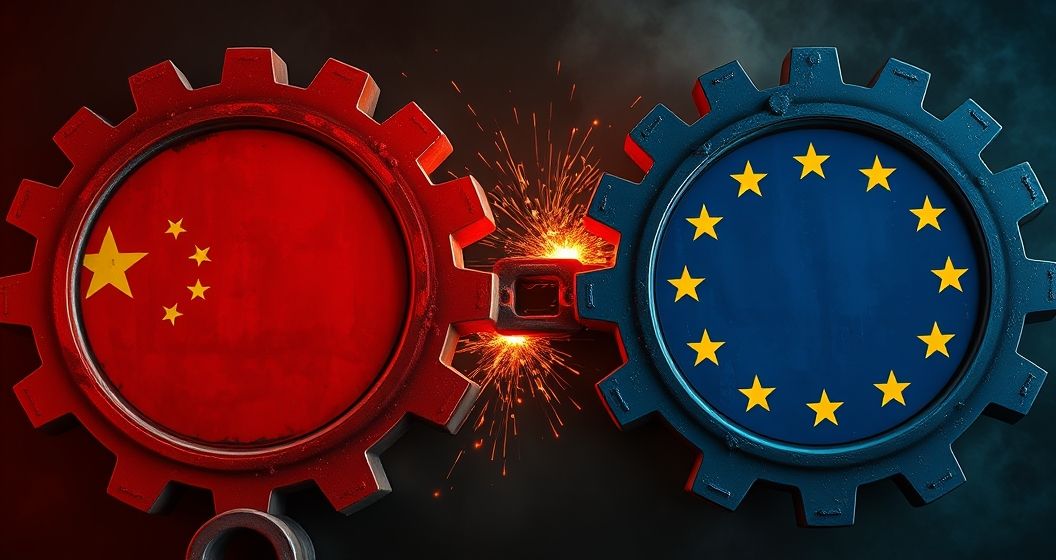
Trade relations between China and the European Union are facing a period of significant strain as Beijing signals its readiness to implement countermeasures against potential EU tariffs. The dispute, centered on the European Commission’s anti-subsidy investigation into Chinese electric vehicles (EVs), threatens to disrupt a critical economic partnership and could impact multiple industries on both sides.
The Heart of the EV Dispute
The European Commission launched an investigation based on allegations that Chinese EV manufacturers benefit from substantial state subsidies. Brussels argues these subsidies give Chinese companies an unfair competitive advantage, allowing them to offer lower prices and potentially undermine European carmakers in their own market. The investigation could lead to the imposition of significant tariffs on electric vehicles imported from China, a move intended to level the playing field for EU producers.
This action has been met with strong opposition from Beijing. Chinese officials have consistently denied the allegations, labeling the EU’s probe as a protectionist measure that lacks sufficient evidence. They maintain that the competitiveness of China’s EV industry stems from technological innovation, robust supply chains, and open market competition, not from unfair government support.
Beijing’s Potential Countermeasures
In response to the looming threat of tariffs, China has indicated that it will not stand by idly. The Chinese Ministry of Commerce has been vocal, warning that it will take all necessary measures to defend the legitimate rights and interests of its companies. While specifics have not been officially confirmed, state-affiliated media and industry groups have pointed to several European sectors that could become targets for retaliatory tariffs.
Among the most frequently mentioned products are European-made vehicles with large engines, a move that would primarily affect German luxury car brands. Furthermore, European agricultural goods, particularly pork and dairy products, have been identified as potential targets. Luxury items, such as French brandy, are also reportedly under consideration for investigation, signaling a strategic approach aimed at key EU member states.
Broader Implications for Global Trade
This escalating friction is not occurring in a vacuum. It reflects a broader global trend of increasing protectionism and intense competition in strategic sectors like green technology. The dispute highlights the challenges of balancing fair competition with the rapid transition to a sustainable economy. For European companies, a trade war could jeopardize their significant market access in China, while Chinese firms risk being shut out of the lucrative European market.
As both sides hold their ground, the focus now shifts to diplomacy and negotiation. The coming weeks will be crucial in determining whether a compromise can be reached or if the world’s two largest trading blocs are heading towards a costly and disruptive trade conflict. The outcome will have lasting consequences not only for their respective automotive industries but for the future of international trade rules.


