
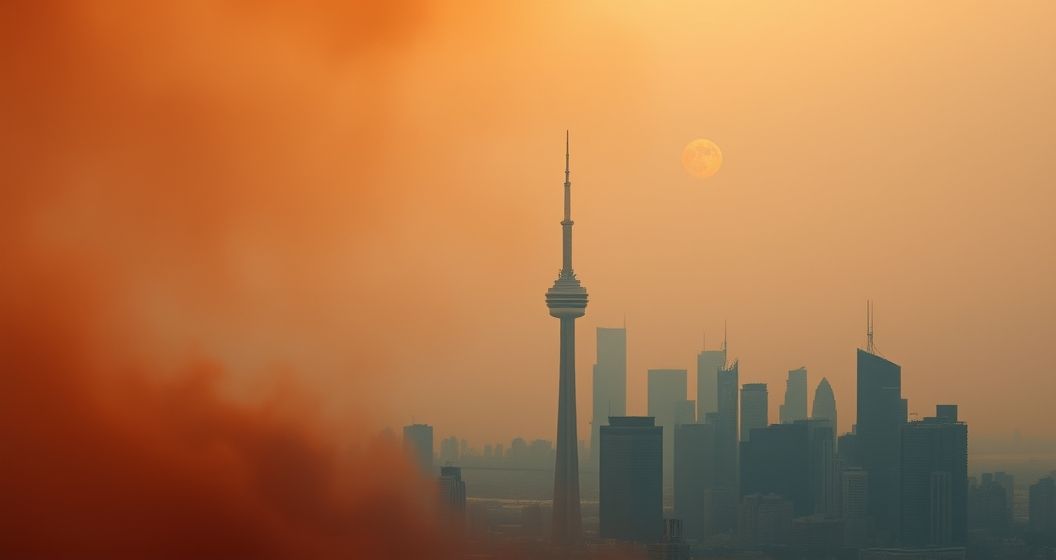
Intense wildfires burning across Western Canada, particularly in British Columbia and Alberta, have triggered widespread special air quality statements, affecting millions of residents. A thick haze of smoke has blanketed numerous communities, extending far beyond the fire zones. Environment Canada has issued warnings as fine particulate matter from the smoke poses a significant health risk, prompting officials to advise caution, especially for vulnerable populations across the country.
Fires Rage in Western Provinces
British Columbia and Alberta are experiencing an aggressive start to the wildfire season, with dozens of blazes classified as out of control. The hot and dry conditions, combined with gusty winds, have created a challenging environment for firefighting crews. These fires are consuming vast areas of forest and grasslands, forcing evacuations in some remote and rural communities. The sheer scale of these fires is the primary source of the smoke that is now impacting air quality on a national level.
The smoke plumes are not localized and have been carried thousands of kilometres by high-altitude winds. This atmospheric transport means that cities and towns far from the active fires are now under a thick blanket of smoke. The situation has led to hazy skies, reduced visibility, and a distinct smell of burning wood, signaling poor air quality even in major urban centers located in the prairie provinces and beyond.
Widespread Smoke Sparks Health Concerns
Environment Canada’s special air quality statements highlight the health dangers associated with wildfire smoke. The smoke contains fine particulate matter (PM2.5), which can be inhaled deep into the lungs and enter the bloodstream. Exposure can cause a range of symptoms, including sore throats, coughing, shortness of breath, and irritation of the eyes and sinuses. For many, these effects are mild, but they can be severe for others.
Children, seniors, pregnant individuals, and people with pre-existing respiratory or cardiovascular conditions, such as asthma or heart disease, are at a much higher risk of experiencing adverse health effects. Health officials strongly recommend that people in these groups take extra precautions to limit their exposure to the polluted air. The alerts serve as a critical public service announcement to prevent serious health complications.
Safety Measures and Official Advice
In response to the deteriorating air quality, authorities are advising the public to take protective measures. The most effective recommendation is to stay indoors as much as possible with windows and doors closed. If your home has an HVAC system, it should be set to recirculate air and equipped with a high-quality filter. Using a portable air purifier with a HEPA filter can also significantly improve indoor air quality.
For those who must go outside, strenuous activities should be avoided to reduce the amount of smoke inhaled. Wearing a well-fitted N95 mask can also help filter out fine particles. Residents are encouraged to monitor alerts from Environment Canada and local health authorities to stay informed about the latest conditions and recommendations in their specific area as the situation remains dynamic.


