
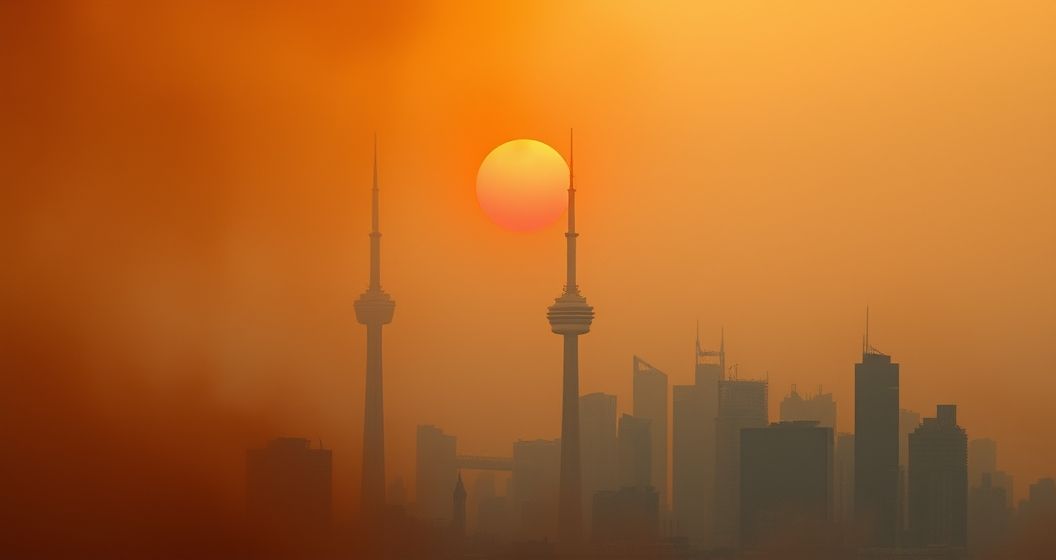
Intense and fast-moving wildfires in Western Canada are creating significant challenges for emergency crews and residents. The blazes, concentrated primarily in British Columbia and parts of Alberta, have forced thousands from their homes and prompted widespread evacuation orders. Fueled by dry conditions and strong winds, these fires are consuming vast areas of forest and threatening numerous communities, marking an aggressive start to the wildfire season.
The Epicenter of the Blaze
British Columbia remains the hardest-hit province, with dozens of out-of-control fires contributing to a provincial state of emergency in certain regions. Firefighting resources are stretched thin as crews battle difficult terrain and unpredictable weather patterns. The situation is dynamic, with new fires igniting and existing ones growing rapidly. Communities in the northern and interior parts of the province face the most immediate threat, with highways being intermittently closed and local services disrupted.
Widespread Air Quality Concerns
Beyond the immediate danger of the flames, a massive plume of smoke is affecting air quality for millions of people. The smoke has traveled thousands of kilometers, blanketing cities across the prairies and reaching as far as central Canada and parts of the United States. Major metropolitan areas have experienced hazy skies and a sharp decline in air quality, prompting official health advisories from Environment Canada.
Health Risks and Official Recommendations
The Air Quality Health Index (AQHI) has reached “high risk” or “very high risk” levels in many affected areas. Health officials are urging residents to take precautions to mitigate the effects of smoke inhalation. The fine particulate matter in wildfire smoke can cause irritation to the eyes, throat, and lungs, and poses a greater risk to vulnerable populations. Recommendations include staying indoors as much as possible, keeping windows and doors closed, and using air purifiers with HEPA filters to improve indoor air quality.
Individuals with pre-existing respiratory conditions such as asthma, older adults, young children, and pregnant people are advised to be particularly cautious. Strenuous outdoor activities should be avoided by everyone in areas under an air quality advisory. Monitoring local AQHI forecasts is crucial for planning daily activities and minimizing exposure to harmful pollutants.
Response Efforts and Challenges
Federal and provincial governments are coordinating a massive response, deploying hundreds of firefighters, support staff, and aircraft to combat the fires. Support has also been requested from international partners to bolster the firefighting efforts. However, the primary challenge remains the weather. Forecasters predict that sustained hot and dry conditions could continue to exacerbate the situation, making containment efforts incredibly difficult and prolonging the public health crisis caused by the pervasive smoke.


