
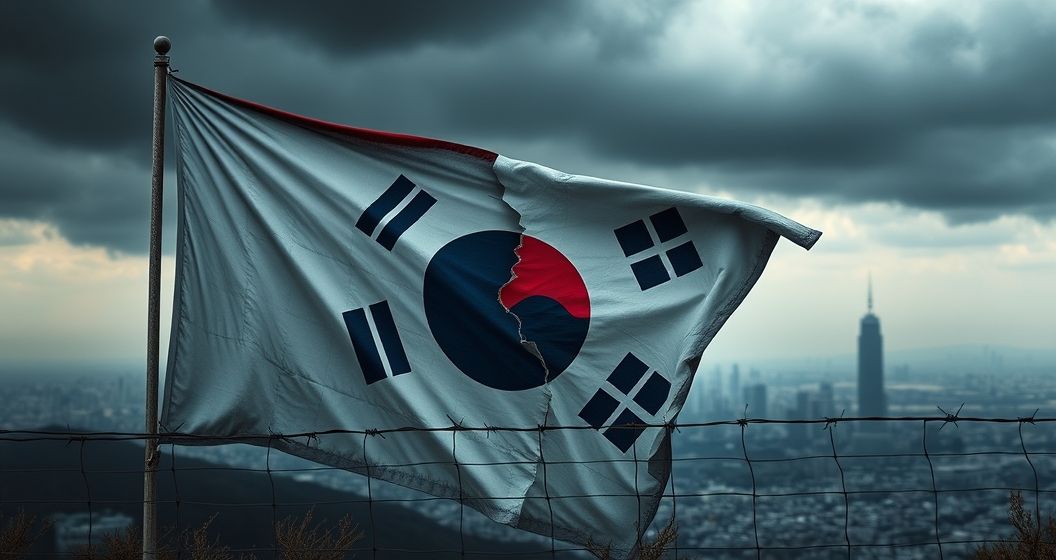
South Korea is currently navigating a period of heightened geopolitical tension and significant domestic challenges. The nation’s leadership is addressing escalating provocations from North Korea while simultaneously managing a major potential energy discovery and a persistent crisis within its healthcare system. These developments are shaping the country’s immediate security posture and long-term economic outlook, demanding a multifaceted response from the government and capturing the attention of the international community.
Pyongyang’s Provocations Prompt Firm Response
Tensions on the Korean Peninsula have sharply increased following a series of provocative actions by North Korea. The regime sent hundreds of balloons carrying trash and manure across the border into South Korea, an unconventional tactic that caused public alarm and property damage. This was followed by attempts to jam GPS signals near the western sea border. These actions have been widely condemned as a violation of the armistice agreement and a clear act of aggression designed to create instability.
In a decisive countermeasure, South Korea’s government announced the full suspension of the 2018 inter-Korean military agreement. This pact, originally designed to de-escalate tensions, had restricted military activities along the border. Its suspension allows Seoul to resume military reconnaissance and training exercises near the Military Demarcation Line. Officials stated this move was a necessary and proportionate response to protect national security and the safety of its citizens in the face of ongoing threats from the North.
Major Oil and Gas Discovery Potential in the East Sea
In a potentially transformative economic development, the government has announced the possibility of massive oil and gas reserves off the country’s east coast. Exploratory studies suggest a high probability of significant deposits in the waters near Yeongil Bay in Pohang. Initial estimates indicate the reserves could hold up to 14 billion barrels of oil and gas, a volume that could satisfy the nation’s energy needs for years and dramatically reduce its reliance on foreign imports.
President Yoon Suk Yeol has approved plans for exploratory drilling to confirm the size and commercial viability of the reserves. While emphasizing that the exploration process is just beginning, the announcement has generated considerable excitement about the prospect of South Korea becoming an energy-producing nation. If confirmed, this discovery would represent a monumental shift for the country’s economy, boosting energy security and creating new industrial opportunities.
Ongoing Stalemate in the Medical Sector
On the domestic front, the protracted standoff between the government and the medical community continues to disrupt the healthcare system. The conflict stems from the government’s plan to significantly increase medical school admissions to address a doctor shortage in rural areas and essential fields. Thousands of junior doctors have walked off the job in protest, leading to widespread surgery cancellations and operational strains on major hospitals across the country.
Despite government pleas and administrative orders to return to work, the striking doctors have remained firm in their opposition. The government is proceeding with its plan, finalizing the increased enrollment quotas for medical schools. The ongoing dispute has created a healthcare crisis, leaving patients caught in the middle and highlighting deep-seated structural issues within South Korea’s medical training and service system.


