
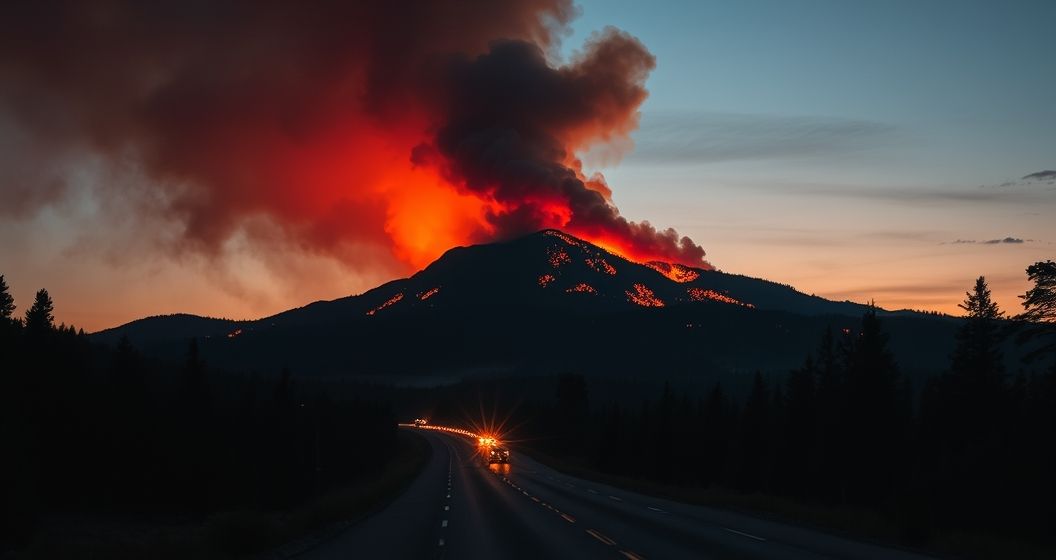
Intense and rapidly spreading wildfires across parts of Western Canada have prompted widespread evacuation orders, forcing thousands of residents from their homes. Authorities in British Columbia and Alberta are grappling with numerous out-of-control blazes, fueled by unseasonably warm temperatures, dry conditions, and strong winds. The escalating crisis has led to local states of emergency as several communities face an imminent threat from the encroaching flames, marking a severe and early start to the wildfire season.
State of Emergency in Affected Areas
In response to the growing threat, several municipalities have declared a local state of emergency. This measure grants officials extraordinary powers to manage the crisis, including enforcing mandatory evacuations and marshalling resources more effectively. The focus remains on protecting lives and property in high-risk zones, particularly in regions like northern Alberta and parts of British Columbia’s interior, where the fires are most aggressive and unpredictable. These declarations are critical for coordinating a swift and organized response to the dynamic situation.
Thousands Displaced by Rapidly Spreading Flames
The human impact of the fires is significant, with evacuation orders affecting numerous communities. Residents have been given little time to gather essential belongings before fleeing to safety. Emergency reception centers have been established to support displaced families, providing temporary shelter, food, and vital services. The rapid growth of the fires, with some expanding by thousands of hectares in a single day, underscores the volatile nature of the situation and the immense difficulty firefighters face on the ground to establish containment lines.
Widespread Air Quality Advisories Issued
Beyond the immediate fire zones, thick smoke has blanketed vast regions, leading to severe air quality degradation. Health authorities have issued special air quality statements, warning residents of the health risks associated with inhaling fine particulate matter from the smoke. The haze has drastically reduced visibility and poses a particular threat to children, the elderly, and individuals with pre-existing respiratory conditions like asthma. These advisories now extend far beyond the provincial borders, affecting neighboring areas and impacting daily life for millions of people.
National Resources Mobilized for Response
Firefighting crews are working tirelessly in grueling conditions to contain the blazes, supported by water bombers, helicopters, and heavy equipment. The scale of the fires has necessitated a coordinated national response, with resources and personnel being mobilized from across the country to assist the provinces under siege. However, officials report that the sheer number of active fires and the challenging weather conditions are straining available resources. The primary goals are to establish containment lines around critical infrastructure and protect residential areas from destruction.
An Unpredictable and Evolving Situation
As Western Canada confronts this aggressive start to the wildfire season, the situation remains fluid and dangerous. Officials are urging the public to remain vigilant, adhere to all evacuation orders, and stay informed through official channels. With weather forecasts offering little immediate relief in some areas, communities and emergency responders are preparing for a prolonged and difficult battle against the destructive power of these wildfires.


