
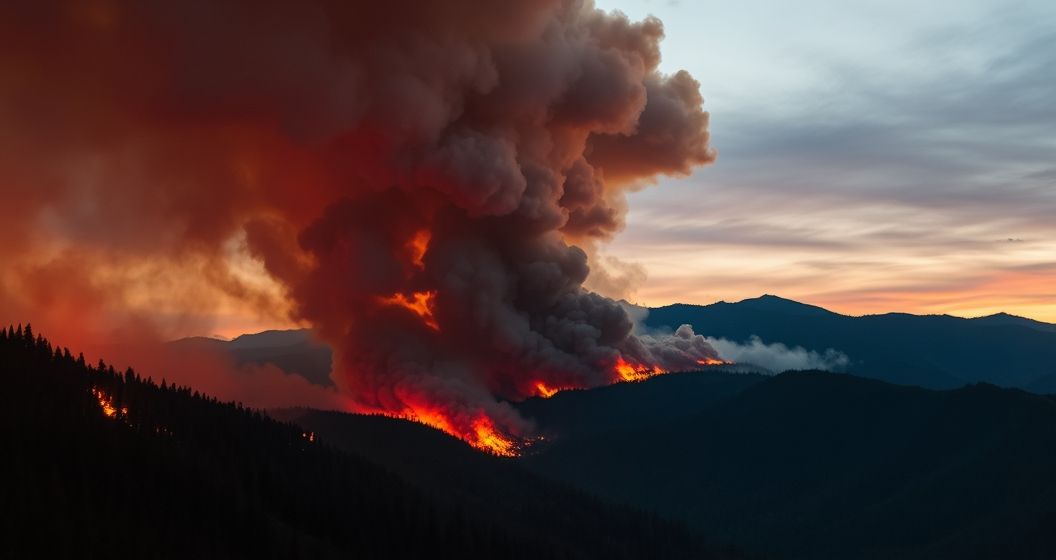
Intense wildfires are sweeping across parts of Western Canada, particularly in British Columbia and Alberta, forcing thousands of residents from their homes. The rapidly spreading blazes have prompted multiple states of emergency and widespread evacuation orders. Authorities are battling challenging conditions as thick smoke blankets vast regions, creating significant air quality concerns for millions of people and disrupting daily life far beyond the fire perimeters.
Evacuation Orders and Community Impact
Emergency officials have issued urgent evacuation orders for numerous communities situated in the path of the aggressive fires. Residents in affected areas have been forced to leave their homes with little notice, seeking safety in temporary shelters and with family or friends in safer locations. The situation remains fluid and highly stressful for those displaced, with emergency response teams working tirelessly to protect lives and property while managing the logistical challenges of these large-scale evacuations.
The impact on local infrastructure, including power lines and transportation routes, has been significant. Road closures are common, complicating both evacuation and response efforts. The emotional toll on families who face uncertainty about the fate of their homes and livelihoods is immense, even as community support networks and volunteer organizations mobilize to provide essential aid, from food and lodging to emotional support for those affected by the crisis.
Air Quality Alerts Spread Across Regions
A major consequence of the extensive fires is the severely deteriorating air quality, which extends far beyond the immediate fire zones. Major urban centers across the western provinces and even into neighboring regions are experiencing hazy skies and elevated levels of fine particulate matter from the smoke. Health authorities have issued special air quality statements, strongly advising vulnerable populations, including children, the elderly, and individuals with respiratory conditions, to limit outdoor activities and stay indoors.
The Role of Climate and Weather Conditions
The severity of the current wildfire season is being fueled by a combination of critical environmental factors. Persistently dry conditions, a result of low precipitation and minimal snowpack, coupled with unseasonably warm temperatures and strong, erratic winds, have created a volatile environment ripe for rapid fire spread. Experts point to these patterns as consistent with broader climate change trends, which are contributing to longer, more intense, and more destructive fire seasons in the region, posing a recurring threat.
Federal and Provincial Response Efforts
A coordinated response is underway involving municipal, provincial, and federal agencies. Provincial governments have deployed all available firefighting resources, including air tankers, helicopters, and thousands of ground crews, to combat the blazes. The federal government has pledged full support, offering assistance from the Canadian Armed Forces and other national resources to aid in firefighting efforts, airlift supplies, and support evacuated communities. This multi-level cooperation is critical in managing the immense scale of the emergency.
