
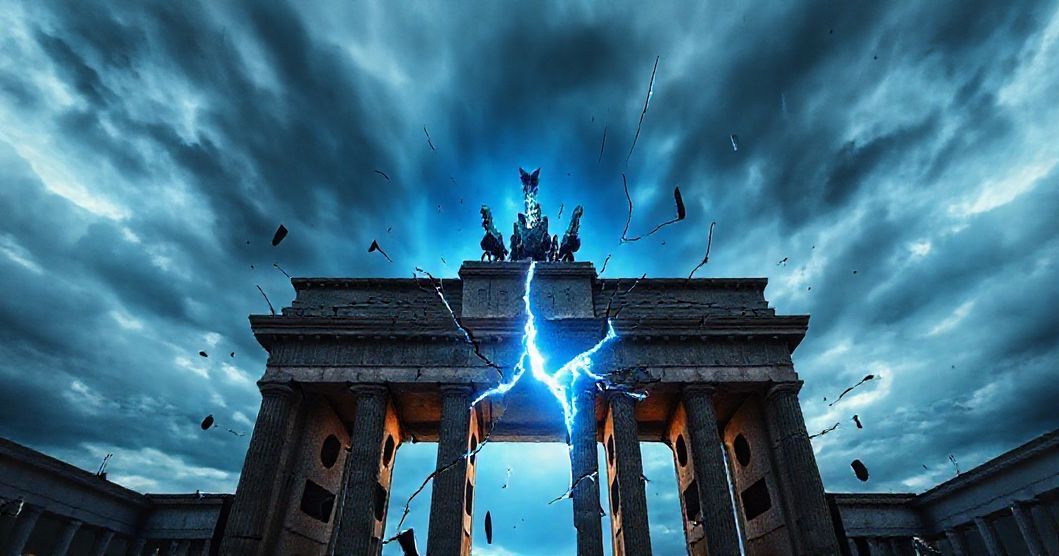
Germany, a powerhouse at the heart of Europe, continues to navigate a complex landscape of domestic challenges and global pressures. From heated political debates to economic resilience tests, the nation remains a focal point for current events. This report delves into the most pressing issues currently dominating headlines across Germany, offering insights into the decisions and discussions shaping its future.
Germany’s Economy Under Pressure: A Balancing Act
The German economy, long considered the engine of Europe, is currently grappling with significant headwinds. Recent data indicates a delicate situation, with inflationary pressures persisting and industrial output facing challenges. While some sectors show signs of recovery, others, particularly energy-intensive industries, are struggling to adapt to elevated costs and shifting global supply chains.
- Energy Transition: The ambitious push towards renewable energy sources is both a long-term strategy and a short-term hurdle. The phase-out of nuclear power and reliance on natural gas, especially in the wake of geopolitical shifts, has highlighted vulnerabilities and necessitated rapid investment in alternative energy infrastructure.
- Skilled Labor Shortage: A persistent shortage of skilled workers across various sectors continues to impede growth. Businesses are clamoring for solutions, pushing for more streamlined immigration policies and enhanced vocational training programs to fill critical gaps.
- Global Trade Dynamics: As a major export nation, Germany is particularly sensitive to global trade fluctuations and geopolitical tensions. Discussions around economic ties with China and the impact of conflicts like the war in Ukraine remain central to economic forecasting.
Political Showdowns: Coalition Navigates Tough Decisions
The ruling “traffic light” coalition – comprising the SPD, Greens, and FDP – is frequently in the spotlight as it tackles these formidable challenges. Recent weeks have seen intense debates, particularly concerning the national budget and social policies. Internal disagreements, while a normal part of coalition politics, often spill into public discourse, creating an impression of disunity.
Key political developments include:
- Budget Negotiations: Discussions surrounding the 2024 budget have been particularly contentious, with each party vying to assert its priorities while adhering to fiscal discipline. Balancing social spending with investment in infrastructure and defense remains a tightrope walk for Finance Minister Christian Lindner (FDP).
- Immigration and Asylum: The ongoing debate on migration policies continues to be a hot-button issue. With a significant number of asylum applications, local authorities are under strain, leading to calls for stricter border controls and more efficient integration strategies. The government is exploring new approaches to manage the influx and ensure fair distribution within the EU.
- Climate Legislation: Despite economic concerns, the Green party continues to push for robust climate protection measures. Recent legislative proposals aim to accelerate the transition away from fossil fuels in heating and transport, often sparking heated public and parliamentary debate over their feasibility and economic impact on citizens.
Germany’s Role on the World Stage: Diplomacy and Defense
Beyond its borders, Germany remains a crucial actor in international affairs. Its commitment to supporting Ukraine against Russian aggression continues, with significant military and humanitarian aid being provided. Chancellor Olaf Scholz has emphasized Germany’s increased responsibility in European and global security.
The nation’s foreign policy is also heavily focused on strengthening the European Union and fostering multilateral cooperation. Discussions around EU enlargement, trade agreements, and collective security initiatives frequently feature German diplomacy at their core. Germany is strategically positioning itself to address future global challenges, from climate change to digital security, by advocating for a strong, united Europe.
As Germany navigates these turbulent waters, the coming months will be critical in determining its economic trajectory, political stability, and enduring influence on the global stage. Stay tuned for further updates as these dynamic events unfold.


