
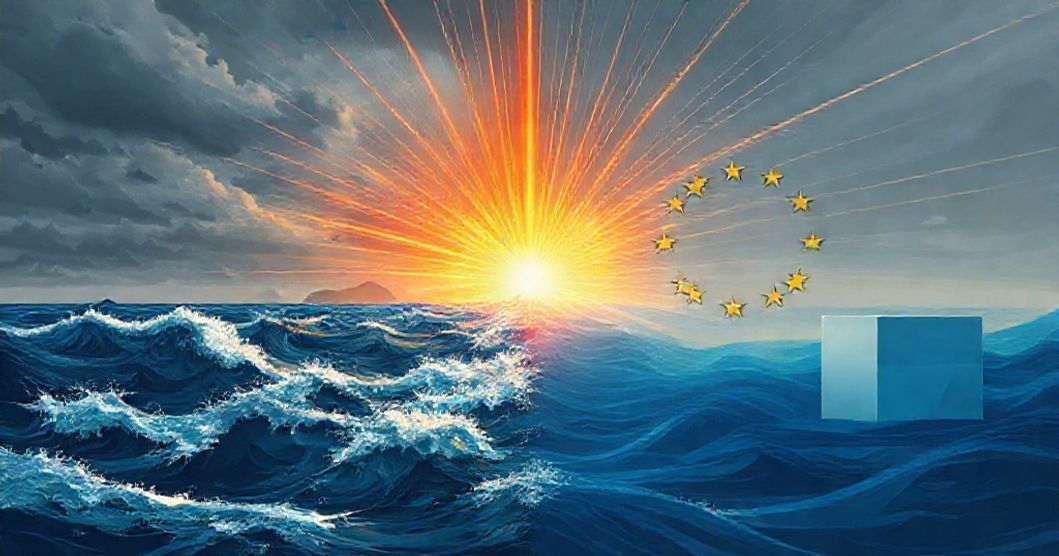
As May draws to a close, France finds itself at a pivotal juncture, navigating a complex web of internal strife, critical European electoral campaigns, and ongoing preparations for a global spectacle. The nation’s news cycle is currently dominated by significant developments both domestically and in its overseas territories, reflecting the dynamic and often challenging landscape of contemporary French affairs. From the distant shores of New Caledonia to the bustling political arenas of Paris, current events underscore a period of intense activity and crucial decision-making for the Hexagon.
New Caledonia Unrest: A Deepening Crisis
The situation in New Caledonia remains a central and deeply concerning topic across French media outlets. Following weeks of intense civil unrest sparked by a constitutional reform bill, the French Pacific territory continues to grapple with significant challenges. The proposed electoral changes, which would allow long-term French residents to vote in local elections, have ignited fury among pro-independence Kanak leaders and supporters, leading to violent clashes, widespread looting, and significant disruption.
- Emergency Measures: Paris recently lifted the state of emergency, a move aimed at de-escalating tensions and fostering dialogue, but the underlying issues persist.
- Security Presence: A substantial number of French security forces remain deployed to maintain order and clear barricades, highlighting the ongoing fragility of the situation.
- Political Dialogue: Efforts are underway to initiate comprehensive political dialogue between local stakeholders and the French government, with President Macron emphasizing the need for a return to peace and a lasting political solution. The economic impact on the nickel-rich island has been severe, prompting calls for urgent humanitarian and financial aid.
European Elections: France’s Critical Role
Closer to home, the imminent European Parliament elections on June 9th are dominating political discourse. France, a founding member and key player in the European Union, is bracing for an election that could significantly reshape the political landscape in Brussels. Campaigns are in full swing, with various parties vying for influence and presenting their visions for Europe’s future.
Key Debates and Figures:
- National Rally’s Surge: Marine Le Pen’s far-right National Rally, led by Jordan Bardella, is consistently polling ahead, signaling a potential strong performance and a shift towards more Eurosceptic voices within the French contingent.
- Macron’s Renaissance: President Macron’s centrist Renaissance party, fronted by Valérie Hayer, is working strenuously to counter the far-right’s momentum, emphasizing a pro-European and reformist agenda.
- Left-wing Fragmentation: The left-wing parties remain somewhat fragmented, struggling to consolidate support amidst a crowded field. Debates focus heavily on issues such as migration, environmental policy, economic sovereignty, and the future of the EU’s common defense strategy. The outcome in France will be closely watched, as it could influence the balance of power across the entire European Parliament.
Economic Outlook and Social Concerns
Beyond the political headlines, France’s economy continues to be a subject of intense scrutiny. While inflation has shown signs of easing, the cost of living remains a significant concern for many households. Government measures aimed at boosting purchasing power and supporting businesses are frequently discussed. Debates around public debt, budget deficits, and the sustainability of social welfare programs are also prominent.
Furthermore, preparations for the Paris 2024 Olympic Games are entering their final stages. While excitement builds, concerns around security, transport logistics, and the overall readiness of infrastructure continue to be voiced. The Games represent a massive undertaking and a significant international showcase for France, with every detail under intense public and media scrutiny.
In summary, France is currently experiencing a dynamic period marked by critical political tests, ongoing social challenges in its territories, and an active engagement with the future of Europe. The coming weeks promise to bring further developments as the nation navigates these complex currents.


