
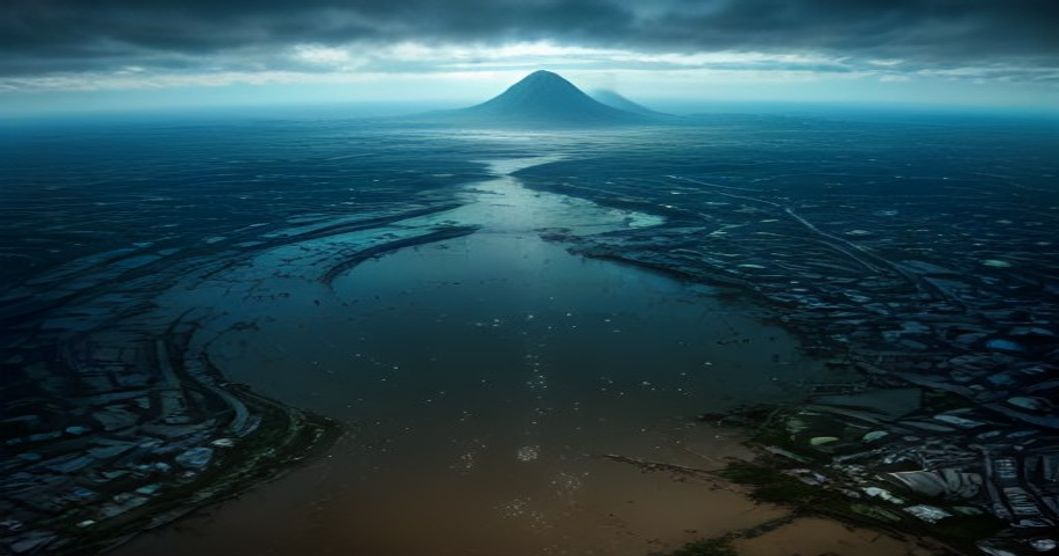
Brazil, a nation of immense beauty and complex dynamics, continues to navigate a series of pressing challenges and significant developments. From a devastating environmental catastrophe in its south to critical economic policy debates and ongoing political maneuvers, the country remains firmly in the global spotlight. Staying abreast of these current events Brazil is essential for understanding the trajectory of this South American giant.
Devastation in Rio Grande do Sul: A Nation United Against Catastrophe
The southern state of Rio Grande do Sul has recently faced an unprecedented humanitarian and environmental crisis. Catastrophic floods, triggered by extreme weather events, have led to widespread destruction, displacement, and loss of life. This natural disaster has exposed vulnerabilities in infrastructure and emergency preparedness, prompting a massive national response. Thousands have been rescued, but the scale of the damage to homes, businesses, and agricultural land is immense, with rebuilding efforts expected to take years. The federal government, under President Luiz Inácio Lula da Silva, has mobilized significant resources and pledged long-term support, emphasizing the need for coordinated action across all levels of government and civil society. This tragedy also serves as a stark reminder of the increasing impact of climate change Brazil, prompting renewed calls for robust environmental policies and climate adaptation strategies.
Navigating Economic Tides: Fiscal Reforms and Monetary Policy
On the economic front, Brazil is grappling with efforts to stabilize its financial landscape while fostering sustainable growth. A central focus has been the ongoing debate surrounding the new fiscal framework, designed to balance public spending with revenue generation. The goal is to ensure fiscal responsibility without stifling essential investments or social programs. This delicate balancing act is crucial for boosting investor confidence and maintaining economic stability. Meanwhile, the Central Bank of Brazil continues to carefully manage its benchmark interest rate, the SELIC, in response to inflation trends and global economic shifts. While there’s pressure for rate cuts to stimulate the economy, controlling inflation remains a priority. The impact of the Rio Grande do Sul floods is also expected to have ripple effects on the national economy, particularly concerning agricultural production and supply chains, adding another layer of complexity to the nation’s Brazilian economy outlook.
Political Arena and Environmental Stewardship: Key Legislative Battles
The political landscape in Brazil is as dynamic as ever, with the Lula government facing various legislative challenges and initiatives. Debates in Congress frequently touch upon crucial reforms, including complex tax system overhauls aimed at simplifying regulations and boosting productivity. Environmental policy, particularly concerning the Amazon rainforest, remains a contentious but vital area. The administration has vowed to combat deforestation and promote sustainable development, yet faces pressures from various sectors. Discussions around energy policy, including the future of oil exploration and renewable energy investments, are also prominent. These legislative battles and policy decisions are shaping Brazil’s future, impacting everything from its international relations to the daily lives of its citizens. The interplay between political will, economic necessity, and environmental responsibility defines many of the current challenges and opportunities.
As Brazil moves forward, its ability to address these multifaceted issues—from humanitarian crises to economic reforms and environmental protection—will define its path. The resilience of its people and the ongoing efforts to forge a more stable and prosperous future remain at the heart of the latest Brazil news.


