
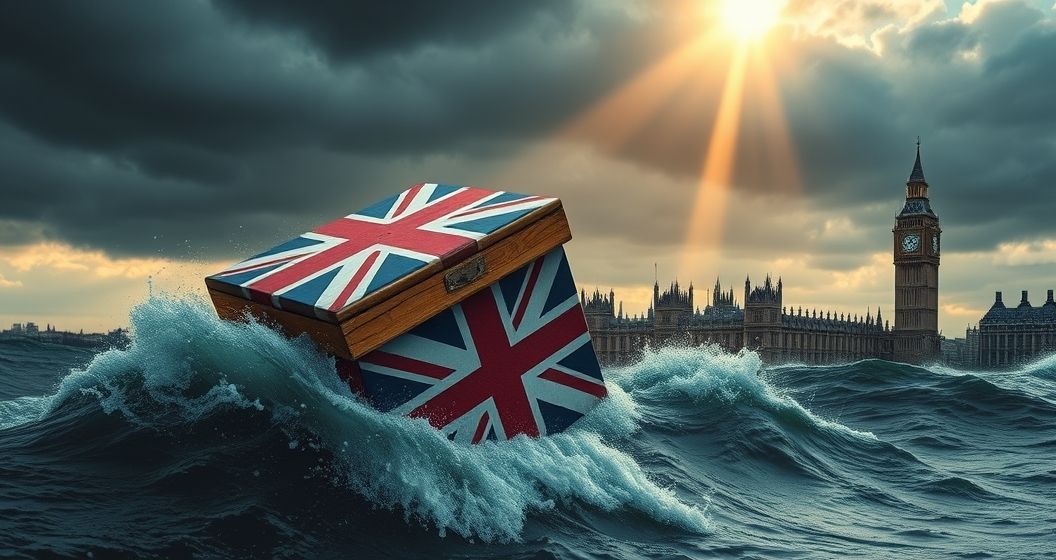
Prime Minister Rishi Sunak has called a surprise UK general election for 4 July, a bold and unexpected move that triggers a six-week battle for control of the country. The announcement, made outside a rain-soaked Downing Street, ends months of speculation about the election’s timing and sets the stage for a major political confrontation between the governing Conservative Party and the opposition Labour Party, led by Sir Keir Starmer.
A Surprise Move Amidst Political Pressure
The decision to hold a summer election caught many political observers off guard, with most anticipating an autumn poll. The timing appears linked to recent economic data showing a significant fall in inflation, a key pledge of Mr Sunak’s government. By calling the election now, the Prime Minister hopes to capitalise on this positive news and frame the campaign around the theme of economic stability and progress, arguing that his plan is working and should be allowed to continue.
The Main Contenders and Their Platforms
The upcoming campaign will be fiercely contested, with the two main parties offering distinctly different visions for the country’s future. The election presents a critical moment for both leaders as they make their case directly to the electorate.
Conservative Party’s Uphill Battle
For Rishi Sunak and the Conservative Party, the campaign will focus on convincing voters that they are the safest pair of hands to manage the economy. Having been in power for 14 years, they face a significant challenge in overcoming voter fatigue and recent political turmoil. Their core message will likely centre on tax cuts, continued efforts to curb inflation, and their controversial plan to tackle illegal immigration. They will portray Labour as a risk to the UK’s economic recovery.
Labour’s Push for Change
Sir Keir Starmer’s Labour Party enters the campaign with a substantial lead in opinion polls. Their central theme is one of “change” after more than a decade of Conservative rule. Labour is expected to campaign heavily on rebuilding public services, particularly the National Health Service (NHS), tackling the cost of living crisis, and boosting economic growth through green energy initiatives. They will seek to present themselves as a competent and stable alternative government ready to lead.
Key Issues Defining the Campaign
Several key issues will dominate the political debate over the next six weeks. The state of the economy and the ongoing cost of living crisis will be paramount for most voters. The future of the NHS, with its record-high waiting lists, remains a deeply personal and critical issue. Furthermore, debates over immigration policy, taxation, and the UK’s place in the world will feature prominently as parties unveil their manifestos and clash in televised debates.
As the campaign officially gets underway, both parties will deploy their senior figures across the country to win over undecided voters in crucial constituencies. The outcome of this summer election will not only determine the next government but also shape the direction of the United Kingdom for years to come.


