
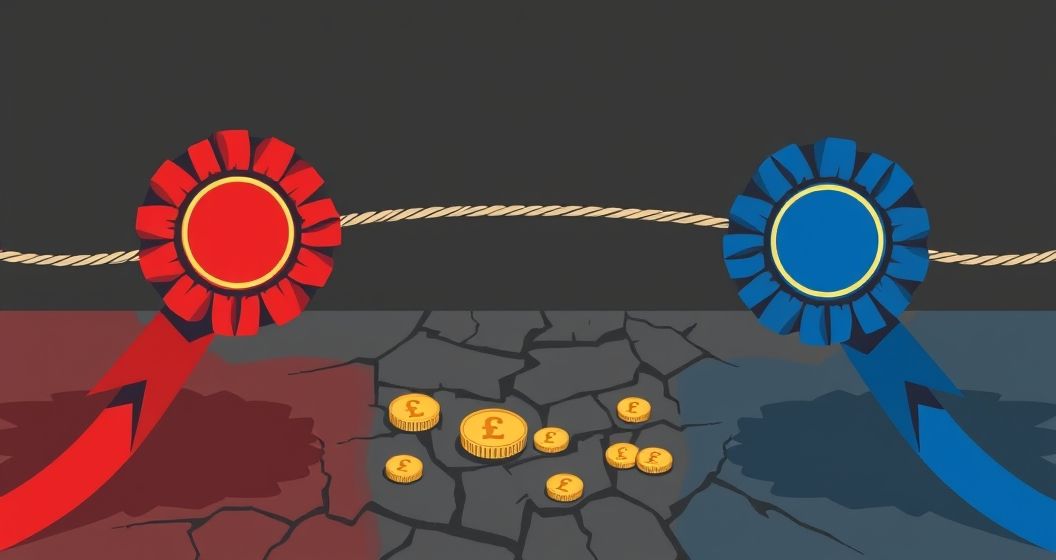
The United Kingdom’s general election campaign is intensifying as the main political parties present their distinct visions for the country’s future. Prime Minister Rishi Sunak and Labour leader Keir Starmer are central figures in a debate dominated by the economy, taxation, and the state of public services. As voters weigh their options, the promises made on the campaign trail are coming under intense scrutiny from all sides, setting the stage for a pivotal decision for the nation.
Conservative Focus on Economic Stability
The Conservative Party, led by Rishi Sunak, is placing a strong emphasis on economic prudence and tax reductions. Their core message revolves around the argument that they are the only party capable of managing the economy responsibly. Pledges often include cuts to National Insurance and promises not to raise other major taxes, framed as a reward for working families and a stimulus for economic growth. This strategy aims to create a clear dividing line with their main political rivals and appeal to voters concerned about financial security.
Labour’s Vision for Public Services
In response, Keir Starmer’s Labour Party is focusing on rebuilding the nation’s public services, particularly the National Health Service (NHS). Labour’s campaign highlights long waiting lists and staff shortages, promising significant investment and reform to address these issues. While also committed to fiscal responsibility, their narrative prioritises public investment over immediate tax cuts, arguing that strong public services are the foundation of a healthy economy and society. They present themselves as the party of change after a long period of Conservative government.
The Cost of Living Continues to Dominate
Underlying the entire debate is the persistent cost of living crisis, which remains a primary concern for households across the country. Voters are looking for credible solutions to rising energy bills, food prices, and mortgage rates. Both parties are being challenged to explain how their economic plans will provide tangible relief to ordinary people. The effectiveness of their messaging on this key issue could prove decisive in many constituencies, especially in marginal seats where the election will ultimately be won or lost.
Minor Parties Seeking to Influence
While the spotlight is largely on the Conservatives and Labour, other political parties are also vying for attention and influence. The Liberal Democrats are targeting specific seats with a focus on local issues and healthcare, while parties like the Green Party and Reform UK are pushing distinct agendas on the environment and immigration, respectively. Their performance could be crucial in determining the final outcome in a number of closely contested areas, potentially leading to a more fragmented political landscape and influencing the balance of power.
As the election campaign enters its crucial stages, the political discourse is becoming sharper. The fundamental choice presented to the electorate is between competing economic philosophies and priorities for public spending. The coming weeks will see further debates and policy announcements, as each party attempts to persuade undecided voters that their plan offers the best path forward for the United Kingdom.