
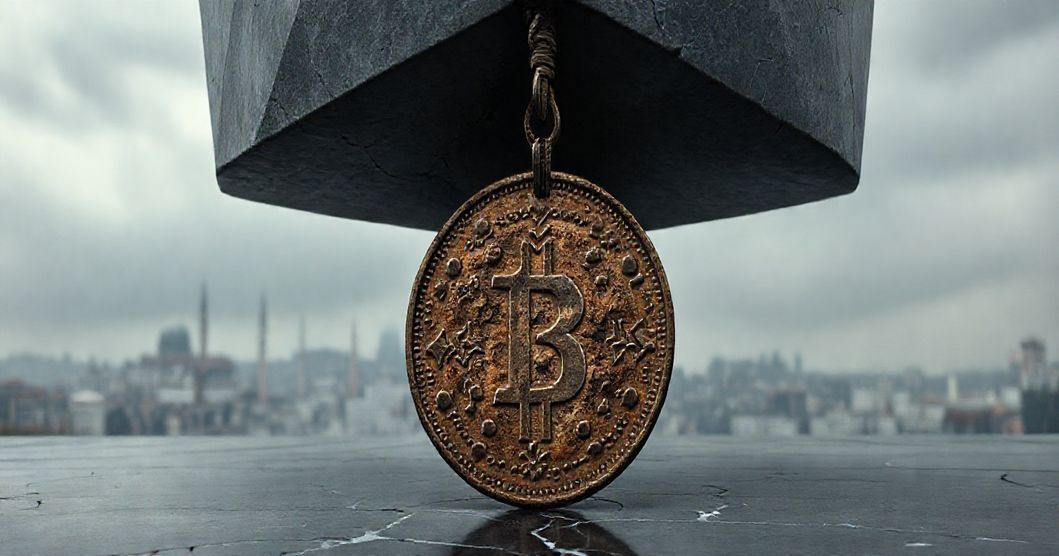
In a landscape continually reshaped by global shifts and domestic policy, Turkey’s economic narrative remains a focal point for both citizens and international observers. Recent data suggests a persistent battle against inflation, which, despite efforts by the Central Bank to curb it through significant interest rate hikes, continues to pose challenges for household budgets and business planning. The latest figures released by the Turkish Statistical Institute (TÜİK) indicate that consumer price inflation remains stubbornly high, prompting further discussions on the effectiveness and sustainability of current monetary policies.
The Turkish Central Bank has been aggressive in its tightening cycle, elevating the benchmark policy rate to levels unseen in years. This strategy aims to cool down demand and stabilize the Lira, which has experienced considerable volatility. Economists are closely watching for signs that these measures are translating into a tangible slowdown in price increases. However, the impact on everyday life is immediate, with increased borrowing costs affecting sectors from housing to automotive, leading to a noticeable shift in consumer spending habits. Small and medium-sized enterprises (SMEs), the backbone of the Turkish economy, are particularly feeling the pinch, navigating higher operational costs and a more cautious consumer base.
Local Election Shake-Up: A New Political Era Dawns
The recent local elections in Turkey delivered a significant shake-up to the political landscape, ushering in new administrations in several key metropolitan areas and provinces. The results have been widely interpreted as a clear message from the electorate, reflecting both satisfaction and discontent with various aspects of governance, from local service provision to broader national policies. The main opposition party achieved remarkable gains, particularly consolidating its hold on major cities like Istanbul and Ankara, and expanding its presence in other regions.
These electoral outcomes are not just about municipal control; they carry substantial implications for national politics. They are seen as a barometer for future general elections and could influence the trajectory of policy-making in the coming years. Newly elected mayors and municipal councils are now faced with the immediate task of fulfilling their campaign promises, ranging from improving urban infrastructure and public transportation to addressing socio-economic disparities. The focus will now shift to how these new administrations will manage their budgets, foster local development, and engage with the central government, especially given the diverse political affiliations. The coming months will be critical in observing how these shifts translate into tangible improvements for citizens and how inter-governmental relations evolve.
Turkey’s Proactive Diplomatic Stance on Global Conflicts
Turkey continues to assert a proactive and pivotal role in regional and global diplomacy, particularly concerning ongoing international conflicts. With its unique geopolitical position, bridging Europe and Asia, Ankara has frequently positioned itself as a mediator and a key voice in de-escalation efforts. Recent developments in the Middle East, particularly the ongoing conflict in Gaza, have seen Turkey advocating strongly for a humanitarian ceasefire and increased aid to affected populations. President Erdoğan and Foreign Minister Hakan Fidan have engaged in extensive diplomatic outreach, holding talks with leaders from various nations and international organizations to articulate Turkey’s stance and propose solutions.
Beyond the Middle East, Turkey’s foreign policy is also actively engaged with developments in the Black Sea region and its relations with the European Union. Ankara’s energy diplomacy, exploring new natural gas reserves and strengthening its role as an energy transit hub, remains a strategic priority. The balancing act between its NATO commitments, its relationships with Russia, and its aspirations for deeper ties with the EU continues to shape its foreign policy agenda. Understanding Turkey’s complex diplomatic strategy requires acknowledging its multi-faceted approach to security, economic interests, and regional stability, all while navigating a rapidly changing international order. These diplomatic endeavors underscore Turkey’s ambition to be an indispensable actor on the world stage, contributing to conflict resolution and fostering regional peace.


