
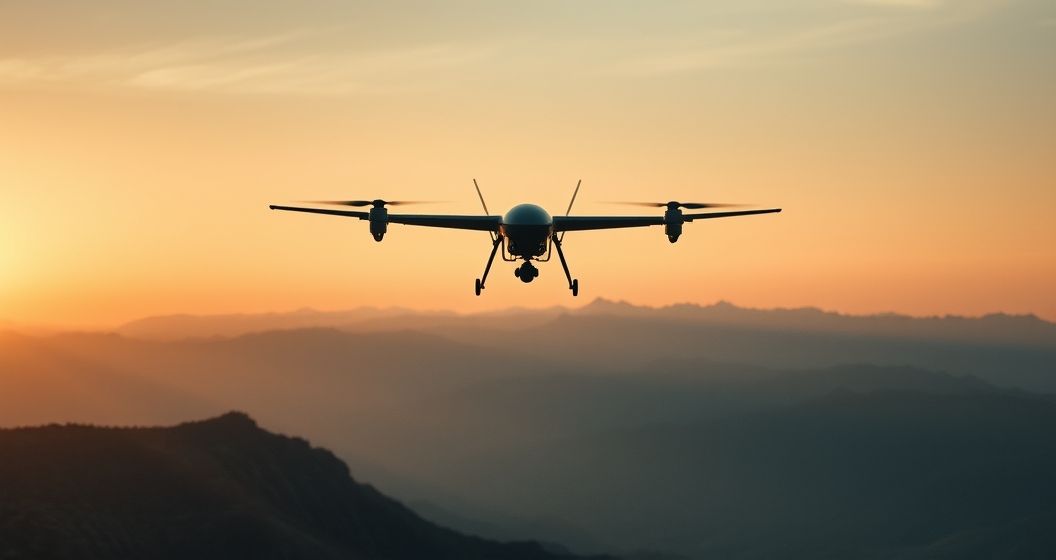
Turkey has recently intensified its counter-terrorism operations, signaling a firm commitment to neutralizing security threats originating beyond its borders. The focus of these renewed efforts is primarily on northern Iraq and Syria, where security forces are targeting militant groups. Official statements underscore a determined strategy to dismantle terrorist networks and secure the nation’s frontiers against external threats, reinforcing a proactive defense posture in the region.
A Renewed Push on Cross-Border Security
Recent military activities highlight a significant escalation in Turkey’s long-standing strategy of combating terrorism at its source. The operations, conducted by the Turkish Armed Forces, involve both air and ground elements aimed at disrupting the capabilities of groups deemed terrorist organizations. The primary objective is to prevent these groups from using neighboring territories as safe havens for planning and executing attacks against Turkey. This proactive approach aims to create a secure buffer zone along the southern border.
The Ministry of National Defense has confirmed that these operations are ongoing and will continue with determination until the last threat is eliminated. The focus remains on destroying militant shelters, ammunition depots, and command centers. The strategy is designed not only to neutralize immediate threats but also to degrade the long-term operational capacity of these networks, thereby ensuring lasting security for the country and the wider region. This sustained pressure is a core element of the current security doctrine.
Diplomatic and Strategic Context
These military actions are accompanied by robust diplomatic efforts. Turkish officials have engaged in high-level discussions with counterparts in Iraq to coordinate on security matters and enhance cooperation in the fight against terrorism. The dialogue aims to ensure that operations are conducted with respect for sovereign borders while effectively addressing the shared threat posed by militant groups. This dual approach of combining military force with diplomacy is crucial for the strategy’s overall success and regional stability.
Targeting Key Terrorist Networks
The main target of these extensive operations is the Kurdistan Workers’ Party (PKK) and its affiliates. Turkish intelligence and military assets are focused on identifying and neutralizing key figures, disrupting logistical supply lines, and preventing the recruitment of new members. By targeting the organizational backbone of the group, Ankara aims to cripple its ability to function effectively. The precision of these strikes is emphasized by officials, who state that great care is taken to avoid civilian harm.
Government’s Stance on National Security
The Turkish government maintains that these cross-border operations are a matter of national security and are conducted in accordance with international law and the right to self-defense. Public statements from top officials consistently reiterate that Turkey will not tolerate the presence of terrorist corridors along its borders. This unwavering stance is communicated to both domestic and international audiences, framing the operations as a necessary and legitimate response to persistent security challenges that have affected the country for decades.
In conclusion, Turkey’s intensified anti-terror campaign reflects a comprehensive and assertive security policy. By combining sustained military pressure on militant groups in northern Iraq and Syria with strategic diplomatic engagement, the government aims to establish long-term security along its borders. These operations are expected to remain a central pillar of Turkey’s national defense strategy as it continues to address complex regional threats with resolve and determination.


