
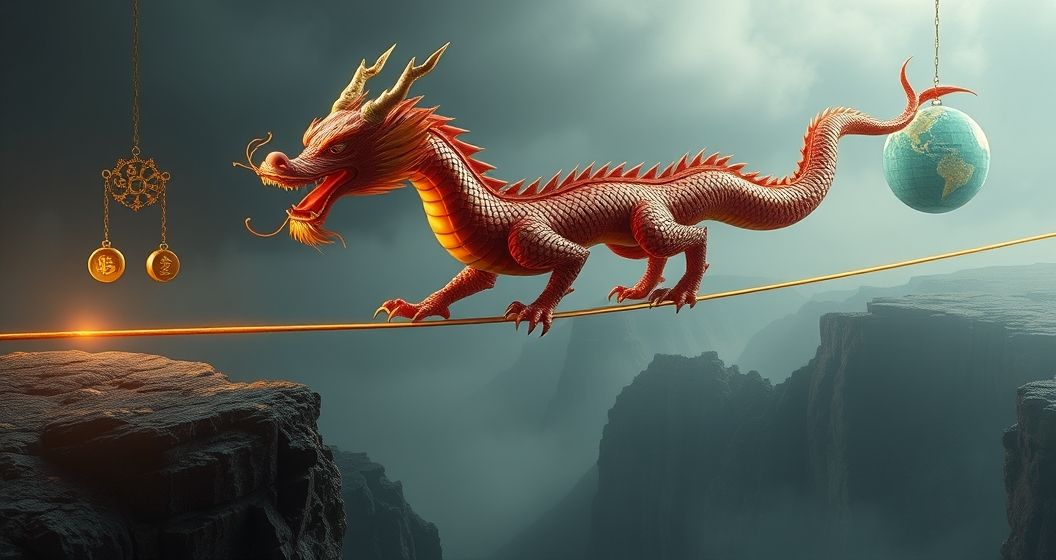
The global spotlight remains fixed on China, navigating a complex tapestry of economic headwinds and escalating geopolitical pressures. From property market turbulence in financial hubs to tense South China Sea waters, Beijing’s every move is scrutinized, shaping global markets and international diplomacy. Understanding these multifaceted challenges is crucial for grasping broader shifts in the 21st-century world order.
China’s Economic Balancing Act: Navigating Domestic Headwinds
Recent data paints a mixed picture for the world’s second-largest economy. While some sectors show resilience, sustainable growth and structural issues dominate the narrative. The government implements policies to reinvigorate domestic demand and stabilize key industries; deep-seated problems persist.
Property Sector Woes: A Lingering Shadow
The most significant domestic challenge stems from China’s colossal property sector. Major developers face immense debt burdens, leading to project delays, defaults, and declining consumer confidence. This downturn impacts local government finances, the banking system, and household wealth. Beijing’s targeted interventions, including easing financing rules and promoting affordable housing, aim to prevent a systemic crisis. A swift rebound appears unlikely. Focus shifts from rapid expansion to a controlled, stable development model, prioritizing “housing for living, not for speculation.”
Government Stimulus and Future Outlook
In response, Chinese authorities have rolled out stimulus measures: interest rate cuts, infrastructure spending, and support for high-tech manufacturing. The goal is to shift the economy towards higher-quality, innovation-driven growth, reducing reliance on real estate and exports. While these efforts provide some uplift, analysts remain cautious about recovery pace, highlighting the need for substantial structural reforms to address long-term challenges like an aging population and declining foreign investment confidence. This interplay will define China’s economic trajectory.
Geopolitical Flashpoints: Tensions on the Global Stage
Beyond its economic borders, China is intricately woven into international relations marked by both cooperation and intense competition. Key areas of friction continue to escalate, demanding careful diplomatic navigation and raising concerns about regional stability.
Taiwan Strait: A Persistent Point of Contention
The Taiwan Strait remains arguably the most sensitive geopolitical flashpoint. Beijing views Taiwan as an integral part of its territory, a stance challenged by Taipei’s democratic self-governance and growing international support. Military exercises by the People’s Liberation Army (PLA) surrounding Taiwan have become more frequent and assertive, often responding to high-level foreign visits. These actions keep regional allies, especially the United States, on high alert, emphasizing the delicate balance required to maintain peace and deter potential conflict. Rhetoric frequently intensifies, reflecting deeply entrenched positions.
South China Sea Disputes: Sovereignty Claims and Naval Presence
Another major area of contention is the South China Sea, where China’s expansive territorial claims overlap with several Southeast Asian nations. Recent incidents involving Chinese coast guard vessels and Filipino supply missions highlight ongoing friction. China’s construction of artificial islands and militarization within disputed waters draws strong condemnation. The issue tests international law, freedom of navigation, and regional power dynamics. Naval presence from various global powers underscores the strategic importance of these waters.
As China continues its rise, its domestic economic stability and approach to international disputes will undoubtedly shape future geopolitics. This delicate tightrope walk between fostering internal prosperity and navigating external pressures defines the current ‘China story,’ making its developments essential viewing for a global audience.


