
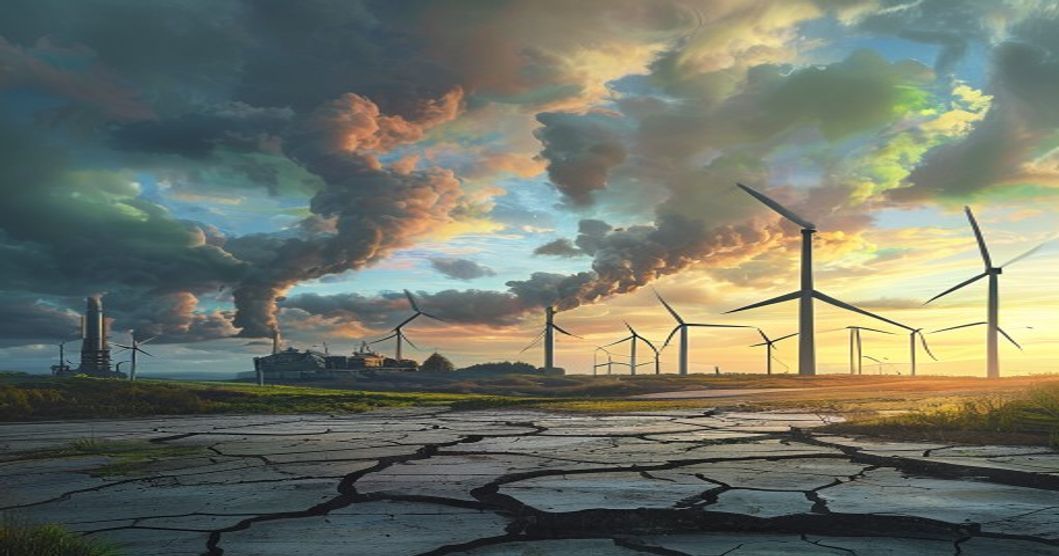
Germany, a powerhouse at the heart of Europe, is currently navigating a complex tapestry of economic challenges, ambitious climate goals, and shifting political landscapes. From the bustling streets of Berlin to the industrial heartlands, the nation grapples with pressing issues that are reshaping its future and influencing global dynamics. Understanding these *critical developments* is key to grasping the trajectory of one of the world’s leading economies.
Germany’s Economic Tightrope Walk: Inflation and Energy Woes Persist
The German economy continues to face significant headwinds, with persistent inflation remaining a top concern for both households and businesses. While initial fears of a deep recession have somewhat receded, the rising cost of living continues to erode purchasing power. Recent reports indicate that core inflation, excluding volatile food and energy prices, remains stubbornly high, prompting continued debate within the European Central Bank regarding future interest rate hikes.
- Energy Security: Despite a mild winter, the long-term strategy for energy independence remains paramount. Germany’s accelerated push towards renewable energy sources is underway, with significant investments in wind and solar power. However, the transition brings its own set of challenges, including grid stability and the availability of skilled labor.
- Industrial Output: Key sectors, particularly manufacturing, are feeling the pinch of high energy costs and global supply chain disruptions. The government’s support packages aim to cushion the blow, but many companies are exploring strategies to improve efficiency and diversify their energy sources.
Political Pulse: Navigating Coalition Tensions and Policy Debates
The current three-party coalition government, led by Chancellor Olaf Scholz, is frequently in the spotlight as it tackles these monumental tasks. Internal debates, particularly concerning budget allocations and ambitious climate legislation, have captured national attention. Recent discussions surrounding a new heating law, which aims to phase out fossil fuel heating systems, have sparked heated public debate and revealed divisions within the ruling parties.
The government’s commitment to climate protection is unwavering, but the practical implementation often faces public resistance and economic realities. Finding a balance between ecological necessity and social fairness is proving to be a delicate act for policymakers.
Climate Action Intensifies: Germany’s Green Future Takes Shape
Germany remains at the forefront of the global fight against climate change, with aggressive targets to reduce emissions and achieve climate neutrality. The push for a “green transformation” is evident across various sectors:
- Renewable Energy Expansion: New legislation is streamlining the planning and approval processes for wind turbines and solar parks.
- Sustainable Mobility: Investments in public transport and the promotion of electric vehicles are key components of the strategy.
- Industry Decarbonization: German industries are exploring innovative technologies, such as green hydrogen, to reduce their carbon footprint.
These initiatives, while crucial for the planet, also present enormous investment needs and challenges for existing infrastructure and workforces. The transition is not merely technological but also societal, requiring broad acceptance and participation.
Germany’s Global Role: Diplomacy Amidst Geopolitical Shifts
On the international stage, Germany continues to play a pivotal role, particularly within the European Union and in response to global conflicts. Its unwavering support for Ukraine, including significant military and humanitarian aid, underscores its commitment to international law and security.
Furthermore, discussions around strengthening European defense capabilities and adapting to a more multipolar world are gaining momentum in Berlin. Germany is actively engaging in diplomatic efforts to address global challenges, from climate change to security, emphasizing cooperation and multilateralism.
As Germany navigates these complex internal and external pressures, its decisions will not only shape its own future but also significantly impact the broader European and global landscape. The coming months are set to be critical as the nation strives to balance economic stability, social equity, and environmental responsibility.


