
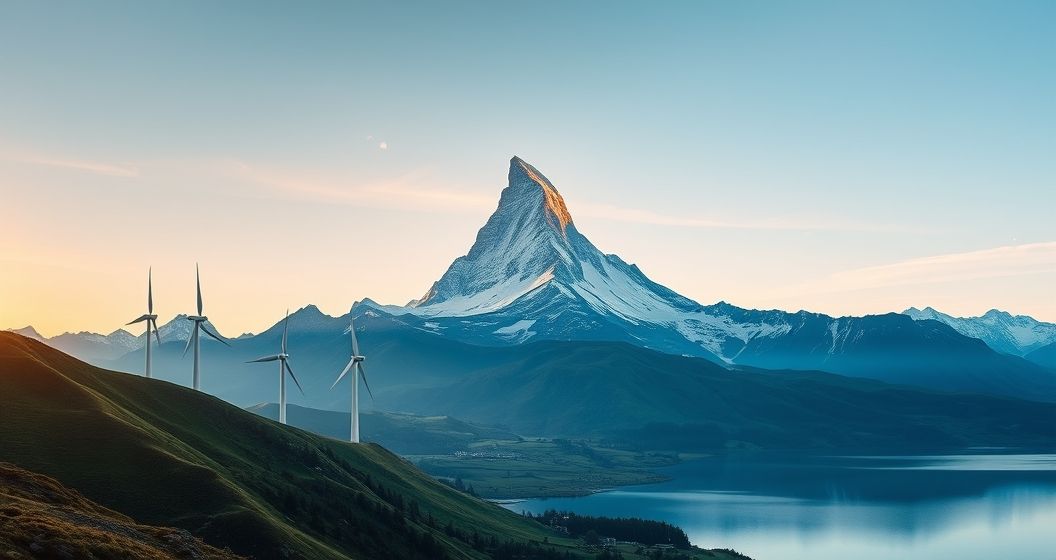
Switzerland is currently at the epicenter of several significant developments, both on the international stage and within its own borders. From hosting a crucial peace summit for Ukraine to navigating complex economic waters with a surprising interest rate cut and grappling with the future of its energy landscape, the Alpine nation finds itself making headlines worldwide. These unfolding events underscore Switzerland’s unique role and its commitment to global stability and domestic prosperity.
Switzerland Leads Global Peace Effort for Ukraine
The eyes of the world are turning towards the serene Bürgenstock resort in Switzerland, which is set to host a high-level Ukraine Peace Summit on June 15-16. This ambitious initiative aims to bring together global leaders to discuss pathways towards a lasting peace in Ukraine. With over 90 countries and organizations reportedly confirmed to attend, the summit represents a significant diplomatic push by Switzerland to facilitate dialogue and lay the groundwork for a future peace process.
Key discussions are expected to revolve around core principles for peace, humanitarian aid, and nuclear safety. However, the absence of Russia, which was not invited, and the uncertainty surrounding China’s participation, present considerable challenges. Switzerland, renowned for its neutrality and diplomatic prowess, is positioning itself as a crucial facilitator, hoping to build broad international consensus that could eventually involve all parties. The success of this summit could define Switzerland’s role in future global conflict resolution.
Swiss National Bank Surprises with Second Rate Cut
In a move that caught many analysts off guard, the Swiss National Bank (SNB) announced its second interest rate cut this year, lowering its key policy rate by 25 basis points to 1.5%. This decision, following a similar cut in March, highlights the SNB’s proactive approach to monetary policy amidst easing inflationary pressures and a strong Swiss Franc. The central bank indicated that the cut was necessary to maintain appropriate monetary conditions and support the economy.
What does this mean for ordinary Swiss citizens and businesses?
- Lower Borrowing Costs: Mortgage holders and companies can expect reduced interest rates on loans, potentially stimulating investment and consumption.
- Franc Weakness: The decision could lead to a weaker Swiss Franc, making Swiss exports more competitive but potentially increasing the cost of imports.
- Economic Outlook: The SNB’s move signals confidence in the domestic economy’s resilience while also acknowledging global economic headwinds. Future rate adjustments will depend heavily on inflation data and economic growth forecasts.
This aggressive monetary easing positions Switzerland uniquely among major global economies, many of which are still grappling with persistent inflation.
Navigating Switzerland’s Energy and Climate Future
Beyond diplomacy and economics, Switzerland is intensely debating its future energy strategy and climate goals. The nation, known for its pristine landscapes, is committed to reducing carbon emissions and transitioning to a more sustainable energy mix. However, this transition comes with significant challenges and ongoing political battles.
Key Challenges and Debates:
- Energy Security: How to ensure a stable and affordable energy supply as Switzerland phases out nuclear power and reduces reliance on fossil fuels.
- Renewable Expansion: The push for more solar and wind power often faces local opposition regarding landscape protection and infrastructure development.
- Electricity Prices: Concerns about rising electricity costs for consumers and businesses, driven by investments in new infrastructure and market dynamics.
- Climate Targets: Intense political discussions surround the concrete measures needed to meet ambitious climate targets, including funding mechanisms and regulatory frameworks.
These debates reflect a broader societal effort to balance economic competitiveness with environmental responsibility, a balance that remains a continuous point of discussion within the Swiss political landscape.
In conclusion, Switzerland is currently a focal point for crucial international dialogues, significant economic shifts, and vital domestic policy decisions. Its active role in fostering peace, its bold economic strategies, and its commitment to a sustainable future all underscore the nation’s dynamic and influential position in the contemporary world.
