
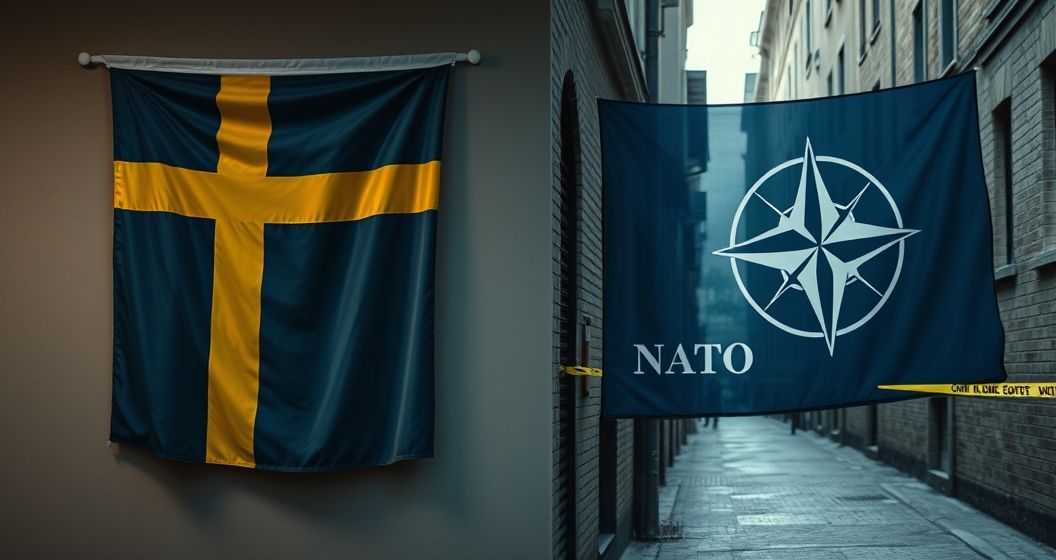
Sweden is currently navigating a complex landscape of domestic and international challenges. The government is intensifying its efforts to combat escalating gang-related crime, while the nation continues its strategic integration into the NATO alliance. These pressing security issues are unfolding against a backdrop of persistent economic pressures, creating a demanding agenda for policymakers and capturing the public’s attention.
Government Intensifies Fight Against Gang Violence
Organized crime remains a primary concern for Swedish authorities, with recent incidents highlighting the severity of the issue. Law enforcement agencies have increased their presence in hotspot areas following a series of violent events linked to gang conflicts. These operations are part of a broader national strategy aimed at dismantling criminal networks that have become more entrenched and violent in recent years.
In response, the government has proposed a series of legislative measures designed to provide police with greater powers. These proposals include expanded surveillance capabilities and tougher sentencing guidelines for gang-related offenses. Officials emphasize that a multi-faceted approach, combining robust law enforcement with preventative social programs, is essential to addressing the root causes of the violence and restoring a sense of security in affected communities.
NATO Membership Ushers in a New Defense Era
Since officially joining the North Atlantic Treaty Organization, Sweden has been rapidly integrating its military forces into the alliance’s command and operational structures. This historic shift in foreign policy has led to increased participation in joint military exercises with NATO allies, particularly in the Baltic Sea region. The focus is on enhancing interoperability and ensuring that Swedish armed forces can contribute effectively to collective defense missions.
The transition has also prompted a significant increase in national defense spending. The government is committed to meeting the NATO target of allocating at least two percent of its GDP to defense. This funding is being directed toward modernizing military equipment, boosting recruitment, and strengthening civil defense infrastructure. The strategic realignment is seen as a fundamental step in adapting to the new security realities in Europe.
Economic Headwinds Remain a Concern
While security issues dominate headlines, the Swedish economy continues to face challenges. The Riksbank, Sweden’s central bank, remains vigilant in its efforts to control inflation and stabilize the economy. Recent indicators suggest that while inflationary pressures may be easing slightly, the cost of living continues to impact households across the country, particularly concerning housing and energy expenses.
Business confidence and consumer spending are being closely monitored as key indicators of economic health. The government is balancing its focus on law and order with policies aimed at supporting economic growth and mitigating the financial strain on citizens. The interplay between domestic security spending and economic stability remains a critical balancing act for the administration.
A Nation Navigating Complex Challenges
Sweden finds itself at a pivotal moment, simultaneously tackling a deep-rooted domestic crime problem and forging a new identity as a member of a major military alliance. These efforts require substantial resources and political resolve. The successful management of these security priorities, alongside ongoing economic challenges, will be crucial in shaping the nation’s direction for the foreseeable future.