
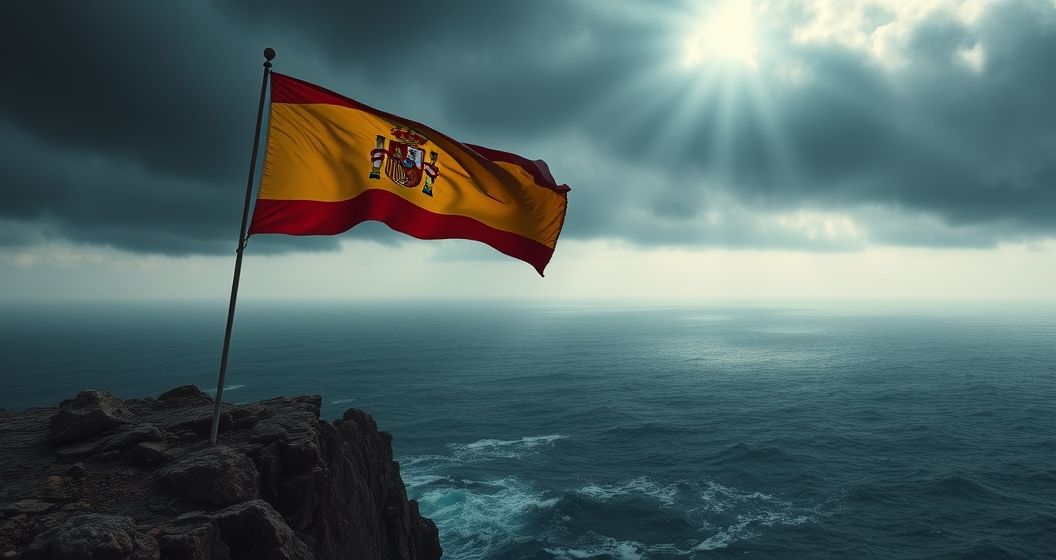
Spanish Prime Minister Pedro Sánchez has announced he will not resign, ending five days of intense speculation about his future. The decision followed a period of personal reflection prompted by what he described as a coordinated smear campaign by political opponents. His announcement brings a temporary end to a political crisis that had gripped the nation and left his government’s future uncertain.
A Period of Unprecedented Reflection
The political turmoil began when Sánchez unexpectedly suspended his public duties and published a letter to the public. In it, he stated he needed time to consider his position following the launch of a preliminary judicial inquiry into his wife, Begoña Gómez. The probe was initiated based on allegations of influence peddling and business corruption brought forward by a right-wing advocacy group, which have been widely criticized as baseless by government supporters.
This unprecedented move sent shockwaves through Spanish politics, with allies and opponents alike left guessing about his next step. During his absence, thousands of supporters rallied in Madrid, urging him to stay in office and fight against what they see as politically motivated attacks. The show of public support played a significant role in his final decision.
The Allegations and Political Reaction
The investigation centers on claims that Begoña Gómez used her position to influence business deals. The complaint was filed by Manos Limpias (Clean Hands), an organization with a history of filing lawsuits against left-wing politicians. Critics of the probe argue that it is part of a broader strategy of “lawfare” designed to destabilize the progressive coalition government. Sánchez has fiercely defended his wife, calling the allegations a targeted attack.
Opposition parties, primarily the conservative People’s Party (PP) and the far-right Vox party, accused Sánchez of political theater. They framed his period of reflection as a tactic to galvanize his base and distract from legitimate questions surrounding his government. They have continued to call for his resignation, arguing that the situation has damaged Spain’s political institutions and international reputation.
A Commitment to “Democratic Regeneration”
In his televised address, Sánchez declared, “I have decided to continue, to continue with even more strength.” He acknowledged the personal toll the attacks had taken but framed his decision as a defense of democracy itself. He called for a collective effort to reject insults and misinformation, advocating for a “democratic regeneration” to uphold dignity and respect in public life.
The Prime Minister’s decision ensures the stability of his minority coalition government for the time being. However, the political landscape remains deeply polarized. His pledge to lead with renewed resolve signals a more confrontational approach against what he terms the “mud-slinging machine” of his opponents, setting the stage for continued political battles in the months ahead.