
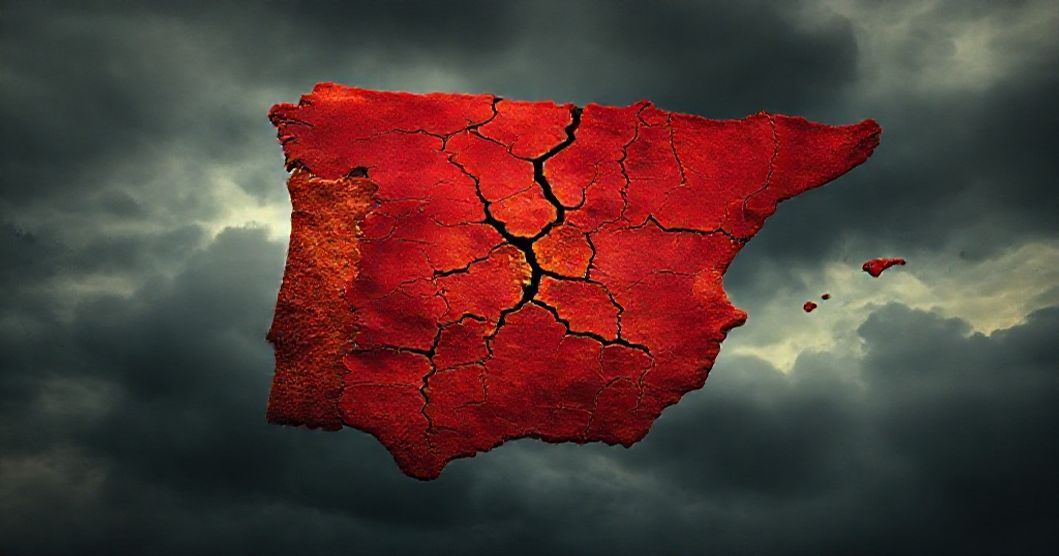
Spain is currently a vibrant hub of political maneuvering, economic shifts, and pressing social concerns, keeping both its citizens and international observers on their toes. From high-stakes political negotiations that could redefine the nation’s political landscape to the daily struggles with economic pressures and urgent environmental challenges, the Iberian peninsula is anything but quiet. Staying abreast of these developments is crucial for understanding the country’s trajectory in the coming months.
The Political Chess Match: Amnesty Law and Investiture Drama
The political scene in Spain is dominated by the ongoing efforts to form a new government, a process deeply intertwined with the highly contentious **amnesty law**. Pedro Sánchez, acting Prime Minister and leader of the Socialist Party (PSOE), is in a delicate dance to secure enough parliamentary support for his investiture. A key element of this strategy involves striking a deal with Catalan separatist parties, particularly Junts per Catalunya, which hinges on approving a broad amnesty for those involved in the 2017 independence bid.
-
Intense Negotiations: Talks are reportedly progressing, but the details of the amnesty law are proving to be a significant sticking point, leading to fierce debate across the political spectrum.
-
Public Division: The proposed amnesty has ignited strong reactions, with large-scale protests organized by conservative parties and civil society groups opposing what they view as a threat to the rule of law and national unity. Conversely, supporters argue it’s a necessary step for reconciliation and political stability.
-
Judicial Scrutiny: The judiciary is also weighing in, with legal experts and judges expressing concerns about the constitutionality and implications of such a measure, adding another layer of complexity to Sánchez’s path to a new term.
The outcome of these negotiations will not only determine Spain’s next government but also significantly impact the relationship between the central government and Catalonia for years to come.
Economic Headwinds: Inflation, Housing, and ECB Decisions
Economically, Spain continues to navigate a complex landscape marked by persistent inflation, a challenging housing market, and the ripple effects of European Central Bank (ECB) interest rate decisions. While inflation has shown signs of moderation, it remains a significant concern for households and businesses.
Key Economic Indicators & Challenges:
-
Inflationary Pressures: Although the Consumer Price Index (CPI) has eased from its peaks, the cost of living remains high, particularly for essential goods and services. This erosion of purchasing power is a frequent topic of debate and government policy focus.
-
Housing Crisis: The affordability of housing, especially in major urban centers like Madrid and Barcelona, is reaching critical levels. Rental prices continue to climb, and high interest rates are making mortgages less accessible, exacerbating the struggle for young people and families to find adequate housing. Government measures to cap rents or increase housing supply are constantly being discussed but face implementation challenges.
-
ECB Impact: The European Central Bank’s aggressive interest rate hikes, aimed at taming inflation across the Eurozone, have a direct impact on Spanish borrowers, especially those with variable-rate mortgages. This has led to increased financial strain for many households, prompting calls for more support mechanisms.
Despite these challenges, Spain’s tourism sector continues to be a strong performer, providing a crucial boost to the national economy and employment figures.
Social and Environmental Stresses: Drought and Public Discourse
Beyond politics and economics, Spain is grappling with significant social and environmental issues, most notably the escalating drought in several key regions. Climate change is no longer an abstract threat but a tangible reality impacting daily life and the nation’s vital agricultural sector.
-
Water Scarcity: Regions such as Catalonia and Andalusia are facing severe water shortages, leading to restrictions on water usage for both residents and agricultural businesses. Reservoirs are at historically low levels, raising concerns about the long-term sustainability of water resources and food production.
-
Climate Adaptation: The ongoing drought has intensified public and political discussions around climate change adaptation strategies, including investments in water infrastructure, more efficient irrigation systems, and changes in agricultural practices to cope with reduced rainfall.
-
Public Protests: Social concerns also manifest in localized protests addressing issues ranging from inadequate public services to specific industrial projects. These demonstrate a vibrant civil society actively engaging with the challenges facing their communities.
In summary, Spain is navigating a period of intense flux. The outcomes of the current political negotiations, the resilience of its economy against global pressures, and the nation’s ability to adapt to environmental realities will collectively shape its immediate future.