
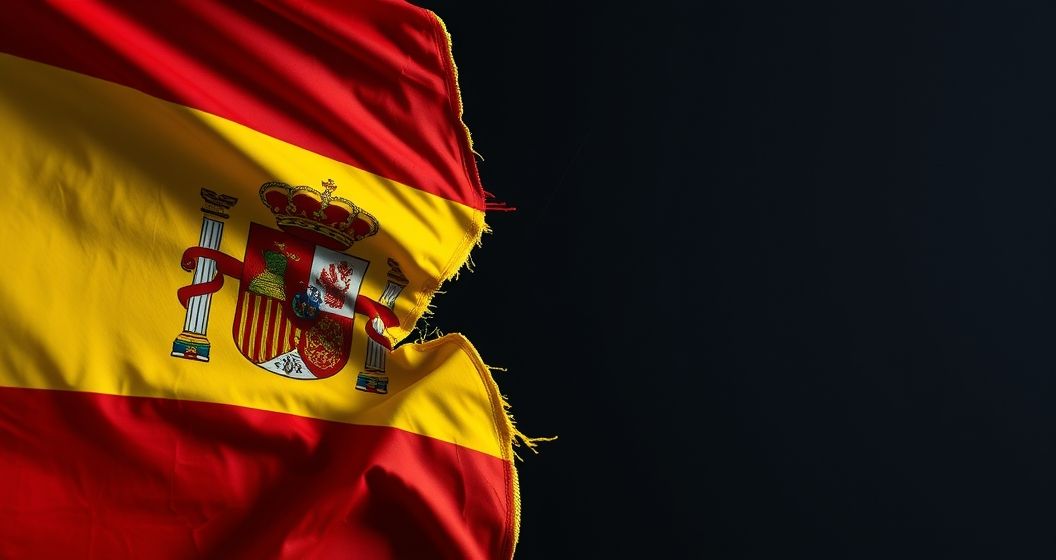
Spain is currently navigating a period of intense political friction, as the governing coalition and opposition parties remain locked in a stalemate over several key national issues. The ongoing deadlock, particularly concerning crucial institutional appointments, is testing the country’s political framework and raising concerns about governance. This situation unfolds against a backdrop of persistent economic challenges and social debates that continue to shape public discourse.
The Core of the Judicial Standoff
At the heart of the political tension is the long-overdue renewal of the General Council of the Judiciary (CGPJ), the governing body of the country’s judges. The inability of the main political parties to reach an agreement has left the institution in a prolonged state of interim leadership. This impasse has triggered warnings about the potential impact on the judicial system’s efficiency and independence, becoming a primary symbol of the current political polarisation.
The government has urged the opposition to end the blockade, suggesting potential reforms if a consensus is not reached soon. Conversely, opposition leaders accuse the government of attempting to exert undue influence over the judiciary. This back-and-forth has created a cycle of accusations that has so far prevented any meaningful progress, leaving a critical state institution in limbo and fueling public scepticism.
Economic Pressures and Social Concerns
While the political battle dominates headlines, Spanish households and businesses continue to face significant economic pressures. Inflation and the rising cost of living remain primary concerns for the public, influencing consumer behaviour and business confidence. The government has implemented various support measures, but their long-term effectiveness is a subject of ongoing debate among economists and political figures alike, who argue over the best fiscal strategy for sustainable growth.
Beyond the economy, pressing social issues are also at the forefront. Debates surrounding housing affordability, healthcare system capacity, and regional inequalities are prominent topics. These discussions reflect the diverse challenges facing different parts of the country, with citizen groups and regional authorities calling for more tailored and effective solutions from the central government. The political climate often complicates efforts to build a national consensus on these vital matters.
Navigating a Complex Path Forward
The current landscape highlights a significant challenge for Spain’s political leadership: finding common ground in an era of fragmentation. The need for dialogue and compromise is more critical than ever to address both institutional blockades and the everyday concerns of the population. How leaders navigate this complex environment will be crucial in determining the country’s direction and stability.
As negotiations continue behind the scenes, the focus remains on whether political actors can prioritise national interest over partisan conflict. Resolving the judicial stalemate is seen as a necessary first step toward rebuilding trust and tackling other pressing economic and social challenges. The outcome of these discussions will undoubtedly have a lasting impact on Spain’s political and institutional health.