
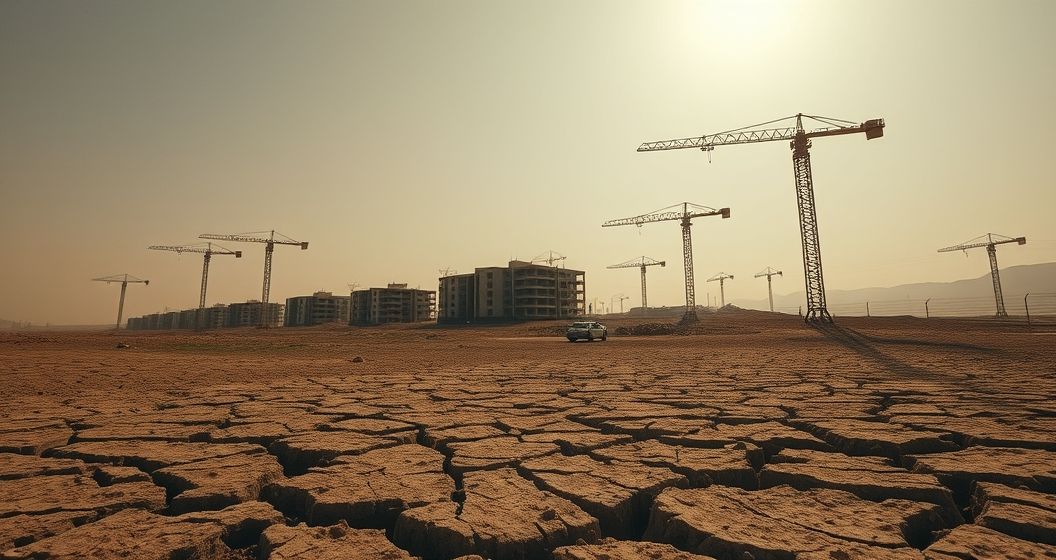
Spain is currently navigating a complex landscape of pressing domestic issues, with the government rolling out significant policies to address a severe housing crisis while simultaneously confronting an environmental emergency driven by a historic drought. These challenges are unfolding against the backdrop of a booming tourism sector, which brings economic relief but also adds to the strain on the nation’s resources. How the country balances these competing pressures will be critical for its future stability and growth.
Government Tackles Deepening Housing Crisis
The affordability and accessibility of housing have become a central political and social issue across Spain. In response to soaring rental prices and the difficulties faced by young people entering the property market, the government has announced a new package of measures. These initiatives are designed to increase the supply of public and social housing, providing a much-needed alternative to the often-unpredictable private market. The plan aims to make tens of thousands of new affordable homes available in the coming years.
Furthermore, the policies include financial incentives and aid for first-time buyers and low-income renters. By offering state-backed guarantees and rental subsidies, officials hope to ease the financial burden on citizens struggling with the high cost of living. This direct intervention marks a significant shift in strategy, signaling a recognition that market forces alone have failed to provide adequate housing solutions for a large segment of the population. The success of these measures will be closely watched by citizens and economic analysts alike.
Environmental Alarms Sound Amid Severe Drought
While the government addresses social infrastructure, it is also facing an urgent environmental crisis. A prolonged and severe drought has left water reservoirs at critically low levels, particularly in regions like Catalonia and Andalusia. This water scarcity is forcing authorities to implement strict restrictions that affect agriculture, industry, and daily residential life. Farmers are facing devastating crop losses, and many municipalities have been forced to limit water consumption for activities like filling swimming pools and watering gardens.
The situation has ignited a fierce debate about water management, climate change adaptation, and the sustainability of Spain’s agricultural model. Experts warn that these drought conditions are becoming more frequent and intense, requiring long-term strategic planning rather than temporary emergency measures. The crisis underscores the vulnerability of the country’s essential resources and highlights the immediate need for investment in more efficient water infrastructure and sustainable practices to secure its future.
Tourism’s Record Return Poses New Questions
In a contrasting economic development, Spain’s tourism industry is experiencing a remarkable rebound, with visitor numbers expected to surpass pre-pandemic records. This resurgence provides a vital boost to the economy, supporting millions of jobs and generating significant revenue. Major tourist destinations are bustling with activity, signaling a full recovery for a sector that is a cornerstone of the Spanish economy.
However, this success is a double-edged sword. The influx of tourists places additional pressure on already strained resources, especially water, exacerbating the effects of the drought in popular coastal areas. It also reignites the debate over “over-tourism” and its impact on local communities, housing prices, and infrastructure. Spain now faces the challenge of managing this boom sustainably, ensuring that the short-term economic gains do not come at the cost of long-term environmental health and social well-being.