
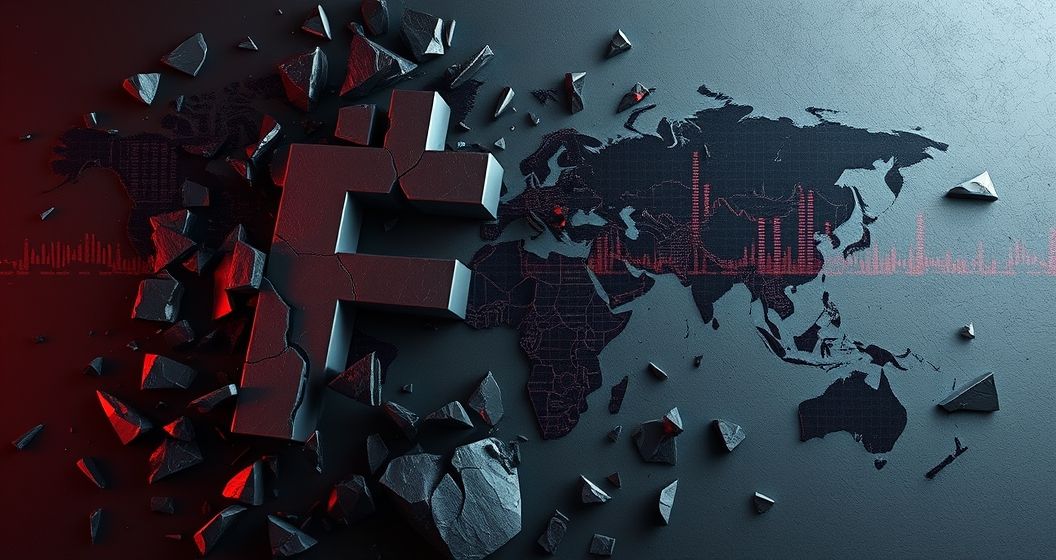
Unpacking Russia’s Latest Economic Trajectories
Recent reports from Russia’s financial sector reveal a complex picture, marked by both resilience and emerging challenges. The Central Bank of Russia has been actively managing inflation, with new measures introduced to stabilize the ruble amidst fluctuating global energy prices. Analysts are closely watching the impact of these policies on consumer spending and industrial output. While some sectors show unexpected growth, particularly those focused on import substitution and domestic production, others continue to grapple with the long-term effects of sanctions and shifting trade partnerships.
The government’s latest budget discussions highlight a focus on strategic investments in infrastructure and social programs, aiming to cushion the population from economic volatility. However, the reliance on commodity exports remains a significant factor, making the economy susceptible to global market shifts. Experts suggest that the coming months will be crucial in determining the efficacy of current economic strategies and Russia’s ability to maintain its growth forecasts.
Geopolitical Maneuvers: Russia’s Shifting Global Stance
In the realm of international relations, Russia continues to be a central player in several ongoing global dialogues. Recent diplomatic engagements have seen Moscow intensifying its focus on strengthening ties with non-Western nations, particularly across Asia, Africa, and Latin America. These efforts are often framed as a response to evolving geopolitical landscapes and a strategy to diversify partnerships away from traditional European and North American alliances.
The defense sector also remains a prominent feature of daily news, with ongoing discussions about military modernization and strategic deployments. Reports frequently touch upon new defense technologies and the outcomes of various military exercises. These developments underscore Russia’s commitment to maintaining its security posture and influence on the global stage, often leading to varied interpretations and reactions from international observers. The narrative frequently centers on Russia’s perceived role in shaping a new multi-polar world order, fostering a complex web of alliances and rivalries.
Domestic Agenda: Key Policy Shifts and Public Sentiment
Domestically, the Russian government has been actively pursuing several key policy initiatives aimed at enhancing social welfare and national cohesion. One of the most talked-about topics involves new legislative proposals designed to bolster support for families and improve access to public services. These policies often reflect broader efforts to address demographic challenges and ensure social stability across the vast nation.
Furthermore, discussions around regional development and urban modernization projects are gaining traction. Major cities are seeing investments in public transport, housing, and cultural infrastructure, intending to improve living standards and foster economic growth outside the traditional power centers. Public sentiment regarding these initiatives is varied, with some welcoming the changes and others expressing concerns over implementation and potential social impacts. The media often highlights local success stories alongside citizen feedback, painting a dynamic picture of Russia’s ongoing internal transformation. These domestic agendas are crucial for understanding the everyday lives of Russian citizens and the government’s priorities beyond international headlines.


