
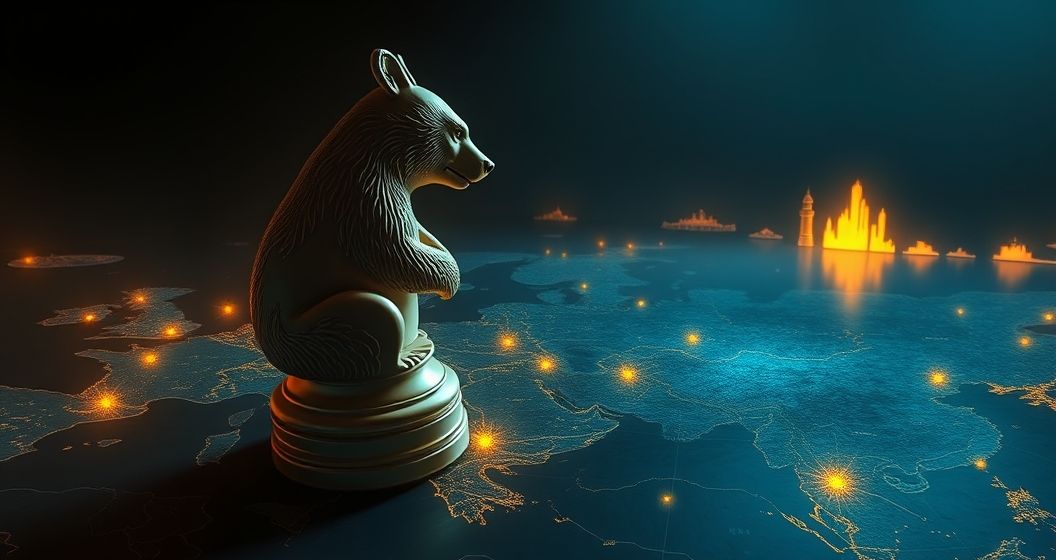
Russia is actively reshaping its foreign policy, focusing on strengthening ties with nations in Asia and the Global South. This strategic pivot is underscored by President Vladimir Putin’s high-profile visits to North Korea and Vietnam, signaling a clear intent to build alternative alliances amid sustained pressure from Western countries. These diplomatic moves coincide with Moscow’s firm rejection of international peace talks concerning Ukraine to which it was not invited.
Strengthening Eastern Alliances
President Putin’s tour is centered on deepening economic, political, and security cooperation. The visit to North Korea is particularly significant, as it aims to elevate the relationship to a new level of strategic partnership. Discussions are expected to cover a wide range of issues, from trade and investment to sensitive security matters. Analysts view this engagement as a direct response to what Moscow perceives as the hostile policies of the United States and its allies.
Following his time in Pyongyang, Putin’s visit to Vietnam further demonstrates Russia’s long-term commitment to the Asia-Pacific region. Vietnam has maintained a balanced foreign policy, and this visit is intended to reinforce decades-old ties. The agenda likely includes energy collaboration, arms sales, and trade, highlighting Russia’s efforts to secure reliable partners outside the Western sphere of influence.
Response to Western Diplomatic Efforts
This diplomatic push in Asia comes as Russia dismisses the recent Ukraine peace summit held in Switzerland. Moscow has heavily criticized the event, labeling it unproductive due to Russia’s exclusion from the talks. Russian officials have stated that any meaningful negotiations on the conflict must include their participation and address their core security interests. This stance reinforces the Kremlin’s position that peace cannot be dictated by Western terms.
Instead of engaging with the Swiss-led initiative, Moscow is promoting its own vision for global security. This involves strengthening blocs like BRICS and the Shanghai Cooperation Organisation (SCO), which it sees as platforms for a more multipolar world order. By engaging directly with leaders in Asia, Russia aims to build consensus for an alternative framework that challenges the dominance of Western-led institutions.
Military and Economic Dimensions
The strategic reorientation is not limited to diplomacy. Russia has also been conducting military exercises to project its power and demonstrate the capabilities of its partnerships. Recent naval drills involving Russian warships in the Atlantic and Caribbean have been closely watched by NATO countries. These exercises serve as a reminder of Russia’s global military reach and its ability to operate far from its own shores.
Economically, Russia continues to adapt to comprehensive sanctions by redirecting its trade flows eastward. Energy exports, once primarily directed to Europe, are now increasingly sold to markets in China, India, and other Asian nations. This economic pivot is crucial for sustaining the country’s economy and funding its long-term strategic objectives. The new partnerships being forged during Putin’s tour are vital components of this broader effort to create a resilient, sanctions-proof economic system.