
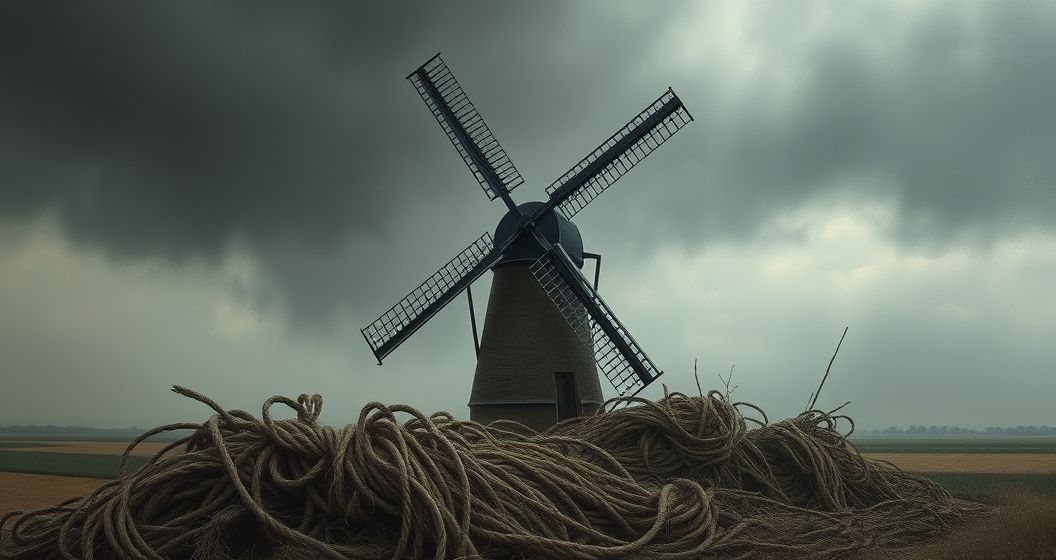
The Netherlands is currently navigating a complex period defined by prolonged political negotiations and significant economic pressures. As efforts to form a new governing coalition continue without a clear resolution, the nation’s citizens are contending with an acute housing shortage and persistent cost of living increases. These interconnected challenges are fostering a climate of uncertainty, placing the country’s social and economic stability under considerable strain.
Protracted Cabinet Formation Creates Uncertainty
Following the recent general election, political parties are engaged in difficult and lengthy negotiations to form a stable government. The fragmented political landscape has made finding common ground a formidable task, leading to a power vacuum that delays crucial policymaking. This ongoing gridlock is preventing the government from addressing pressing national issues, from long-term climate strategy to immediate economic relief for households.
The absence of a decisive new administration is creating widespread concern among the public and business sectors. Key legislative decisions are effectively on hold, impacting national budget planning and investment confidence. Analysts suggest that the longer the formation process takes, the more difficult it will be to implement effective solutions for the challenges accumulating across the country, leading to growing frustration among the populace.
The Housing Crisis and Cost of Living Concerns
Compounding the political stalemate is a severe and deepening housing crisis. A significant shortfall in the supply of affordable homes has driven property prices and rental costs to historic highs, particularly in urban areas. This situation is making it nearly impossible for young people, first-time buyers, and low-to-middle-income families to secure adequate housing, creating social and economic divides.
Simultaneously, Dutch households are struggling with the sustained high cost of living. While inflation has shown signs of easing in some sectors, the prices for everyday necessities like groceries, energy, and transportation remain elevated. This financial pressure erodes purchasing power and puts a significant burden on family budgets, with many looking to the government for relief that has been slow to materialize due to the political impasse.
Navigating Future Challenges
Beyond domestic politics and economics, the Netherlands also faces complex infrastructure decisions. Key hubs like Schiphol Airport are at the center of debates balancing economic importance against environmental regulations and noise pollution limits. Decisions regarding flight capacity and sustainability targets have far-reaching implications for international trade, tourism, and the national economy, requiring a clear and unified governmental vision.
In conclusion, the Netherlands stands at a critical juncture. The resolution of the current political deadlock is paramount to tackling the nation’s urgent economic and social problems. Finding a path forward will require strong leadership, political compromise, and a renewed focus on creating sustainable solutions to restore public confidence and ensure long-term stability and prosperity for all citizens.
