
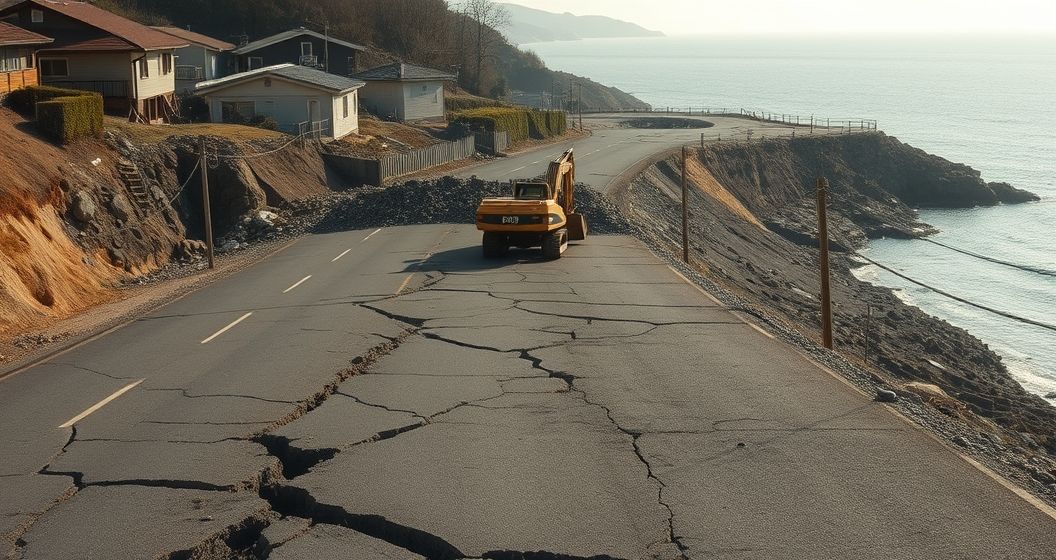
Reconstruction efforts in Japan’s Noto Peninsula are moving forward, but progress is hampered by severe infrastructure damage and logistical challenges following the powerful earthquake that struck the region. Officials are prioritizing the restoration of essential services and the construction of temporary housing, yet the scale of the devastation presents a monumental task for local communities and government agencies working on the ground.
Infrastructure Restoration Remains a Priority
The primary focus of the recovery operation is the repair of critical infrastructure, including roads, water supply, and electricity. The rugged terrain of the peninsula, characterized by narrow coastal roads and mountainous areas, complicates repair work significantly. Many key routes remain either completely blocked or accessible only to emergency vehicles, isolating numerous communities and slowing the delivery of essential supplies and heavy machinery needed for rebuilding efforts.
Progress in Essential Services
While significant progress has been made in restoring power to most areas, water remains a critical issue. Many municipalities, including the hard-hit cities of Wajima and Suzu, continue to face widespread water outages. Crews are working tirelessly to repair thousands of breaks in the water main systems, but the extensive damage means that a full restoration of services is still a long-term goal, forcing residents to rely on temporary water distribution points.
Addressing the Displaced Residents Crisis
One of the most pressing humanitarian issues is providing adequate shelter for the tens of thousands of residents whose homes were destroyed or deemed unsafe. The construction of temporary housing units is underway, but the pace has been slower than desired due to land shortages and the difficulty of preparing construction sites in the damaged region. Many displaced individuals, a large percentage of whom are elderly, continue to live in evacuation centers, facing uncertainty about their future.
Debating Long-Term Relocation
Discussions are now turning to long-term solutions, with officials and residents debating the viability of rebuilding in areas identified as highly vulnerable to future seismic events and tsunamis. The government is exploring collective relocation programs as a potential option, offering to move entire communities to safer ground. However, this sensitive issue involves deep emotional ties to ancestral lands and requires careful community consultation to ensure residents support the proposed plans.
Revitalizing the Local Economy
The earthquake has dealt a severe blow to the Noto Peninsula’s economy, which relies heavily on tourism, fishing, and traditional crafts. The damage to fishing ports has disrupted the local seafood industry, a vital economic backbone. Furthermore, Wajima’s famous lacquerware industry has suffered immensely, with many workshops destroyed. Efforts are now focused on not only rebuilding physical structures but also creating strategies to support local businesses and encourage the eventual return of tourists to help fuel the region’s economic recovery.