
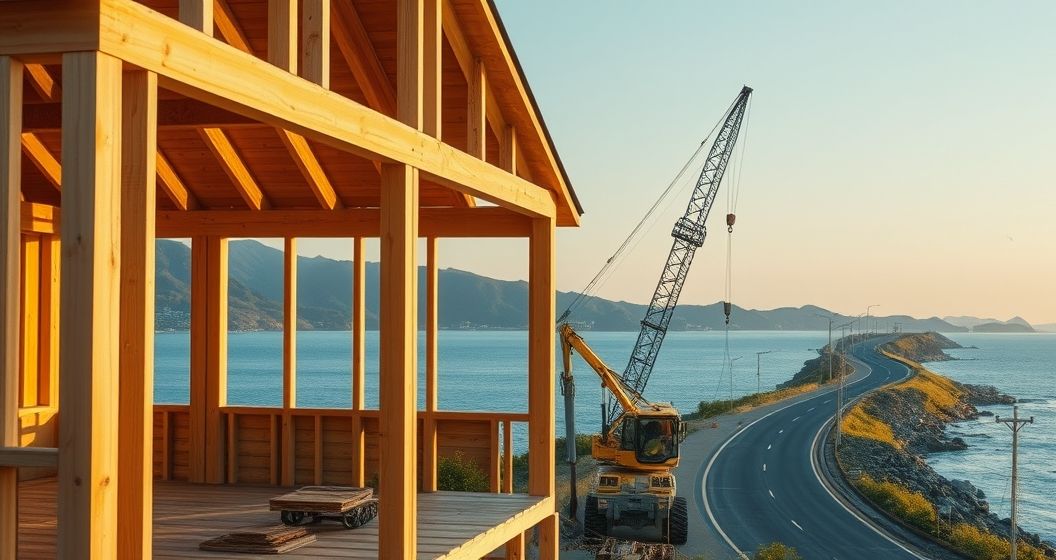
Months after a powerful earthquake struck Japan’s Noto Peninsula, recovery efforts are in a critical phase. Authorities and residents are grappling with immense challenges, primarily focusing on providing stable housing for thousands of displaced individuals and rebuilding shattered infrastructure. The path to normalcy is long, testing the resilience of local communities as they navigate the complex aftermath of the disaster and work towards a sustainable future.
The Pressing Need for Stable Housing
A primary concern remains the large number of evacuees still living in temporary shelters and community centers. While progress is being made on constructing prefabricated temporary housing units, the scale of displacement outpaces the speed of construction. Officials face difficulties in securing suitable, flat land for these developments in the mountainous region, further delaying the process for families eager to regain a sense of privacy and stability.
The demographic makeup of the area, with a high proportion of elderly residents, adds another layer of complexity to the housing crisis. Any new housing solutions must accommodate their specific needs, including accessibility and proximity to essential medical services. The transition from communal evacuation centers to individual housing is seen as a crucial step for both the physical and mental well-being of the affected population.
Restoring Lifelines: Infrastructure on the Mend
The earthquake inflicted severe damage on essential lifelines, and their restoration is fundamental to the broader recovery. Major roadways, many of which were cut off by landslides and large cracks, are slowly being repaired. However, access to some remote communities remains difficult, hampering the delivery of supplies and the ability of residents to begin rebuilding. These logistical hurdles slow down all other aspects of reconstruction efforts.
Significant efforts are also directed at repairing water and sewage systems. Many areas continue to experience water outages, forcing residents to rely on temporary supplies for daily tasks. Restoring these basic services is a top priority for public health and to allow businesses and daily life to resume. The extensive damage across a wide area means this will be a painstaking, long-term project for utility crews on the ground.
Economic Revival and Community Support
Local economies, heavily reliant on tourism, fishing, and traditional crafts like Wajima lacquerware, have been devastated. The destruction of fishing ports, markets, and workshops has left many without a livelihood. Government subsidies and support programs are being rolled out to help small business owners restart their operations, but the loss of critical infrastructure and a sharp decline in tourism present major obstacles to a swift economic recovery.
As the Noto Peninsula moves from emergency response to long-term reconstruction, the focus is on a sustainable and resilient recovery. The combined challenges of housing, infrastructure, and economic revival paint a difficult picture. However, the determination of local communities, supported by national aid and volunteers, continues to drive the slow but steady process of rebuilding lives and restoring the unique character of this historic region.