
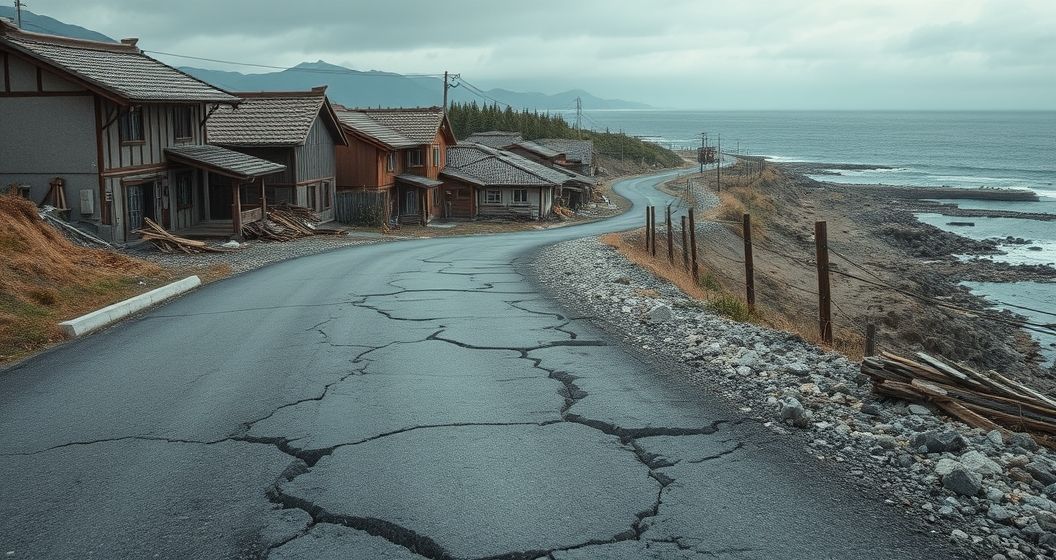
The aftermath of the powerful earthquake that struck Japan’s Noto Peninsula continues to present immense challenges. While search and rescue operations have largely concluded, the focus has shifted to a complex and long-term recovery phase. Authorities and communities are now grappling with extensive infrastructure damage, humanitarian needs, and the daunting task of rebuilding lives and local economies from the ground up, a process expected to take years.
Assessing the Full Scale of the Damage
The earthquake left a trail of destruction, with official figures confirming numerous fatalities and thousands of homes either completely destroyed or severely damaged. Critical infrastructure, including roads, water pipes, and power lines, suffered catastrophic failures. This has left many communities isolated and without essential services, complicating the initial relief efforts and highlighting the vulnerability of the region’s infrastructure to major seismic events. The true economic cost is still being calculated but is expected to be substantial.
Navigating a Complex Recovery Effort
The Japanese government has pledged significant financial support and mobilized the Self-Defense Forces to assist in relief operations. Efforts are concentrated on restoring basic utilities and clearing debris to reopen vital transportation routes. However, the process is slow and arduous, with officials prioritizing the most critical repairs while managing the needs of thousands of displaced residents currently living in temporary evacuation shelters across the affected prefectures.
Obstacles to Delivering Aid
The peninsula’s rugged terrain, compounded by numerous landslides and damaged roads, remains a primary obstacle for recovery crews. Aid convoys and repair teams face significant logistical hurdles in reaching remote villages that were cut off by the quake. This has led to concerns about the well-being of isolated populations, particularly the elderly, who require consistent access to food, water, and medical supplies. The situation underscores the difficulty of disaster response in geographically challenging areas.
Community Resilience and Volunteer Spirit
Despite the immense hardship, the resilience of the local communities has been a notable aspect of the post-disaster phase. Evacuation centers, often run by local officials and volunteers, have become hubs of mutual support where information and resources are shared. Citizens from across Japan have also responded, with volunteer organizations coordinating efforts to provide hot meals, supplies, and assistance with cleanup, demonstrating a powerful sense of national solidarity in the face of adversity.
The Future of Noto’s Communities
Beyond the immediate physical rebuilding, serious questions loom over the long-term future of the Noto region. The disaster has severely impacted key local industries such as fishing, agriculture, and traditional crafts, which are the lifeblood of the local economy. Furthermore, the area’s aging and declining population presents a unique challenge for reconstruction, as there are concerns about whether younger generations will return to rebuild their homes and businesses in the long term.