
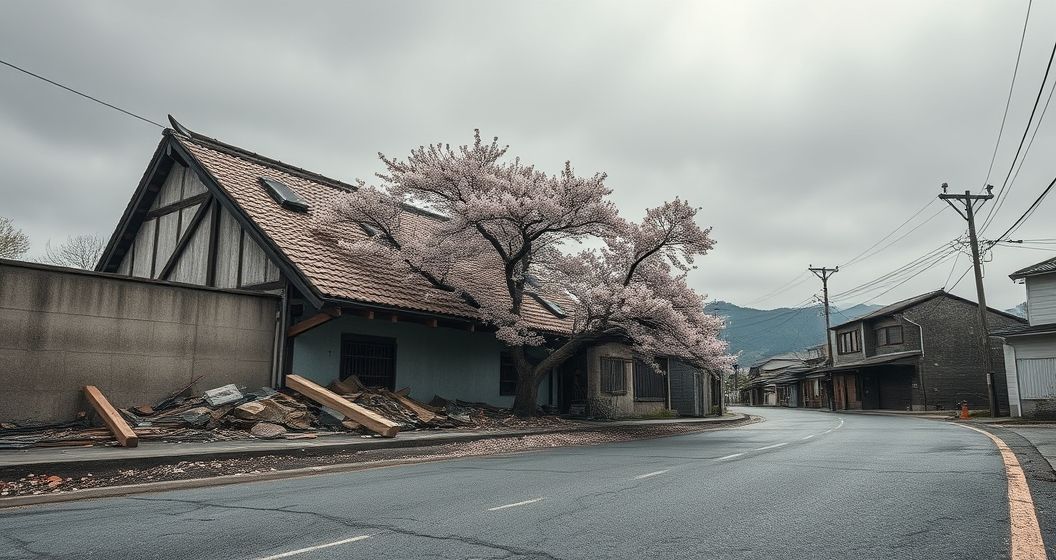
The Noto Peninsula in Ishikawa Prefecture continues to face a monumental recovery effort following the powerful earthquake that struck the region. While significant progress has been made in restoring essential services, thousands of residents remain displaced, and the path to rebuilding communities and local economies remains long and fraught with challenges. The focus has shifted from immediate rescue to the complex task of long-term reconstruction.
The Urgent Housing Crisis
One of the most pressing issues is the severe housing shortage. Many homes were completely destroyed or deemed uninhabitable, forcing a large number of residents into evacuation centers and other temporary shelters. The construction of temporary housing units is underway, but progress has been hampered by logistical difficulties, including the region’s challenging terrain and damaged road networks, which complicate the transport of materials and equipment.
Local authorities are working to secure suitable land for these temporary structures, but the process is slow. For the many elderly residents who make up a significant portion of the peninsula’s population, the uncertainty of their living situation adds immense psychological stress. The goal is not only to provide shelter but to do so in a way that allows communities to stay together as much as possible.
Rebuilding Critical Infrastructure
Restoring vital infrastructure is a cornerstone of the recovery plan. While major highways and access routes have been largely cleared, many local roads, particularly in mountainous and coastal areas, remain damaged or blocked. This continues to isolate smaller communities, affecting the delivery of aid and preventing some residents from returning to check on their properties.
Significant strides have been made in restoring water and electricity services to most areas. However, the complete restoration of the water supply system is a complex undertaking, with extensive damage to underground pipes requiring major repairs. Officials are providing temporary water supplies via trucks as they work to fully restore the network, a process expected to take more time.
Economic Scars and Local Industries
The earthquake dealt a devastating blow to the local economy, which relies heavily on tourism, fishing, and traditional crafts. Famous tourist destinations, including the Wajima Morning Market, were severely damaged, halting a key source of revenue. Fishing ports suffered extensive damage to docks and equipment, crippling the local fishing industry.
Furthermore, the region is renowned for its traditional crafts, such as Wajima lacquerware. Many workshops were destroyed, and artisans lost valuable tools and works in progress. The government has announced financial support packages to help small businesses and artisans get back on their feet, but the loss of infrastructure and skilled workers who have evacuated poses a long-term threat to these cultural industries.
A Demographic Challenge Looms
Beyond the physical destruction, officials are concerned about the long-term demographic impact. The Noto Peninsula was already facing challenges with an aging and declining population. There is a significant fear that many younger residents and families who evacuated to other cities for work or schooling may not return, accelerating the region’s depopulation. Sustaining the community for the future is as critical as rebuilding the structures that were lost.