
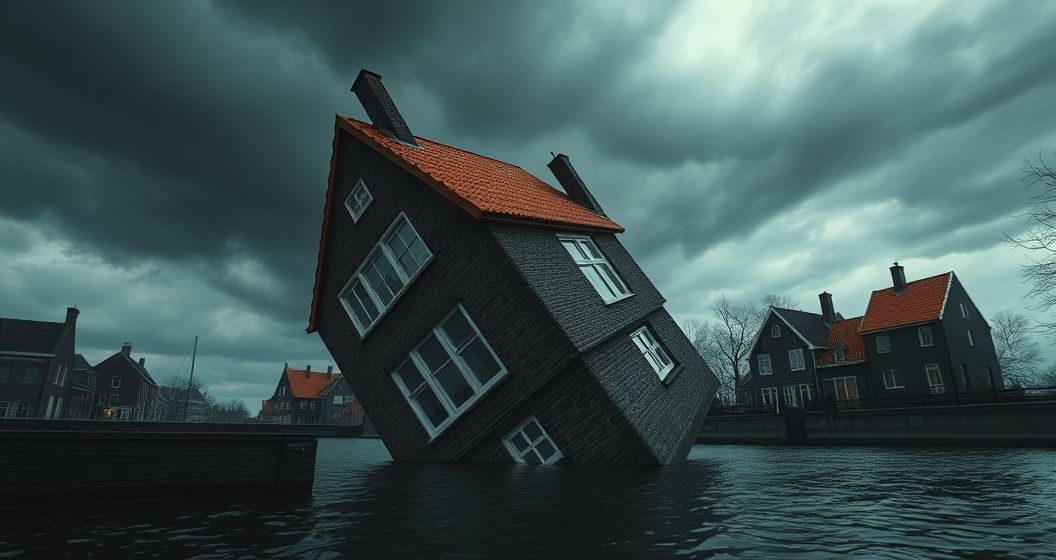
The Netherlands is currently facing significant domestic challenges, as prolonged political negotiations to form a new government run parallel to a worsening housing crisis. This combination of political uncertainty and social pressure is creating a tense atmosphere, affecting public confidence and delaying crucial policy decisions for the nation’s future.
Stalemate in Government Formation
Following the recent elections, forming a stable governing coalition has proven to be a complex and lengthy process. The key political parties are struggling to find common ground on critical issues, leading to a deadlock that has captured national attention. This prolonged period of negotiation leaves the country with a caretaker government, which is limited in its capacity to implement new, far-reaching policies needed to address pressing economic and social matters.
The inability to form a decisive government quickly has raised concerns among both the public and business sectors. Experts suggest that continued instability could hinder economic growth and delay important investments in infrastructure and green energy transitions. The focus remains on bridging ideological divides to create a workable majority that can effectively lead the country through its current challenges.
The Escalating Housing Shortage
One of the most urgent issues impacted by the political stalemate is the severe housing crisis. A significant shortage of affordable homes, particularly in major urban centers, has driven property prices and rental costs to record highs. This situation disproportionately affects young people, students, and low-to-middle-income families, many of whom find it impossible to enter the property market or secure affordable rental accommodation.
The crisis is fueled by a combination of factors, including limited construction of new homes, strict zoning regulations, and high demand. While various solutions have been proposed, such as increasing building permits and investing in social housing, their implementation is largely stalled pending the formation of a new government with a clear mandate. This delay only exacerbates the problem for thousands of citizens.
Economic Pressures and Public Sentiment
Beyond the political and housing fronts, the Dutch economy is also navigating pressures from inflation and the rising cost of living. These economic strains amplify the social impact of the housing crisis, as household budgets are squeezed from multiple directions. There is a growing public demand for decisive action from political leaders to provide relief and present a clear vision for the future.
Ultimately, resolving the political deadlock is seen as the first and most critical step toward tackling the nation’s other pressing issues. A stable and effective government is essential to restore confidence and implement the comprehensive strategies needed to solve the housing shortage, manage economic pressures, and ensure long-term prosperity for the Netherlands.