
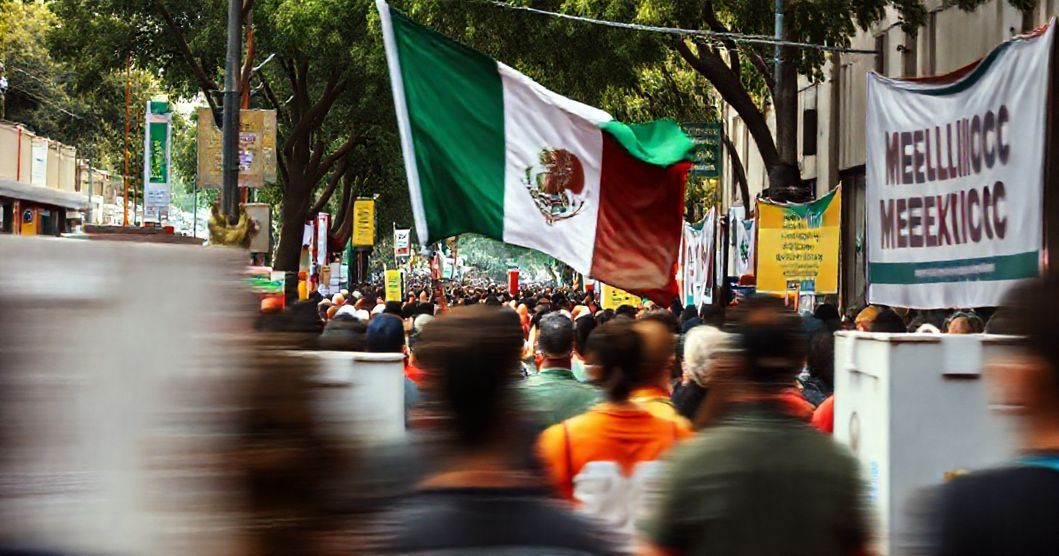
Mexico is currently a hotbed of activity, with its vibrant political landscape undergoing significant transformations and its society grappling with a range of pressing issues. From the intense run-up to the general elections to persistent security challenges and an evolving economic environment, the nation’s pulse is undeniably quickening. Staying abreast of these developments is crucial for understanding the trajectory of this influential Latin American power.
The Road to the Presidency: A Heated Contest
The political scene in Mexico is dominated by the upcoming general elections, poised to be one of the most consequential in recent history. The race for the presidency has intensified, featuring prominent candidates vying for the nation’s highest office. Recent polls indicate a tight contest, particularly between the leading contenders who represent distinct visions for Mexico’s future. Campaigns are focusing heavily on critical issues such as security, economic stability, and social welfare programs. Voters are keenly following debates and campaign promises, weighing their options as the election date approaches. Discussions around constitutional reforms and the role of various government institutions are also frequently making headlines, sparking fervent public and political discourse across the country.
Key Electoral Themes and Public Concerns
- Security Strategy: Candidates are presenting varying approaches to combating organized crime and improving public safety, a top concern for many Mexicans.
- Economic Vision: Proposals range from fostering foreign investment and trade to strengthening domestic industries and addressing inflation.
- Social Programs: The continuation or reform of existing welfare programs remains a significant point of debate, directly impacting millions of households.
- Energy Policy: Discussions around renewable energy, oil production, and national energy sovereignty are shaping candidate platforms.
Tackling Persistent Security Challenges
Beyond the electoral fervor, Mexico continues its arduous battle against deeply entrenched security issues. Recent reports highlight ongoing efforts by federal and state authorities to confront organized crime groups. While significant strides are occasionally reported, communities across various regions still face substantial challenges related to violence and insecurity. The government’s strategies, which often involve a mix of military deployment and social programs, are under constant scrutiny. The impact on daily life and the economy remains a critical concern, with discussions often centered on judicial reform, community policing, and international cooperation to stem the flow of illicit activities.
Economic Shifts and the Peso’s Resilience
On the economic front, Mexico is navigating a complex global landscape while demonstrating remarkable resilience. The Mexican Peso has shown notable strength against major currencies recently, a phenomenon dubbed “super peso” by some analysts. This performance is attributed to factors like high interest rates set by Banco de México (Banxico), significant remittance flows, and nearshoring investments. However, the nation is still grappling with inflation, though it has shown signs of moderation. Banxico’s monetary policy decisions are closely watched, as they directly influence borrowing costs and consumer purchasing power. Businesses are adapting to these fluctuating conditions, with sectors like tourism and manufacturing continuing to play crucial roles in the national economy.
In conclusion, Mexico is a nation in dynamic motion, with its political, social, and economic spheres undergoing rapid evolution. The upcoming elections promise a fascinating period of change, while ongoing efforts to address security and foster economic stability define the current national agenda. These are not just isolated events but interconnected challenges and opportunities shaping the future of this vibrant North American country.

