
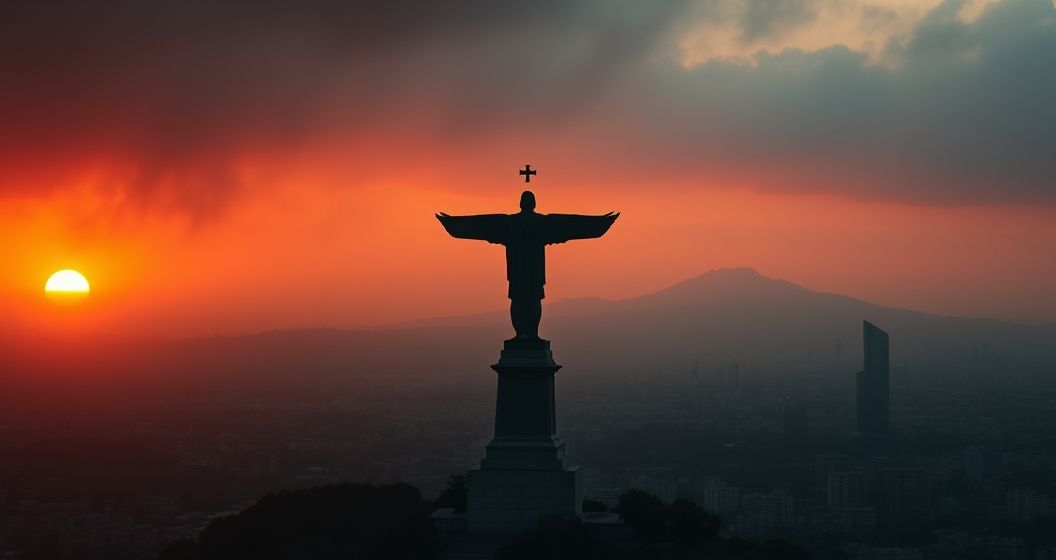
Mexico is currently navigating a period of intense political and environmental pressure. As presidential candidates engaged in a fiery second debate, a severe heatwave triggered widespread power outages across the nation. These simultaneous events highlight the critical challenges the country faces, from political leadership and security to infrastructure resilience and climate change, placing the population at a crucial juncture ahead of the upcoming elections.
Presidential Candidates Clash in Second Debate
The second presidential debate saw heightened tensions as the leading candidates, Claudia Sheinbaum of the ruling Morena party and Xóchitl Gálvez of the opposition coalition, exchanged sharp accusations. The event focused on key areas including economic growth, poverty, infrastructure, and climate change. Both candidates aimed to present clear, contrasting visions for the country’s future while attacking their opponent’s record and proposals.
Accusations and Policy Disputes
Gálvez adopted an aggressive strategy, directly confronting Sheinbaum on issues of government corruption and the handling of the economy. She accused the current administration, which Sheinbaum represents, of failing to deliver on its promises. In response, Sheinbaum defended her party’s track record, emphasizing social programs and economic stability while labeling Gálvez’s accusations as baseless smears. Jorge Álvarez Máynez, the third candidate, attempted to position himself as an alternative to the polarized front-runners, focusing on a “new” political path.
A Focus on Economic and Social Futures
Beyond the personal attacks, the debate offered glimpses into differing economic philosophies. Sheinbaum advocated for continuing the current administration’s state-led economic model, while Gálvez promoted policies designed to attract greater private and foreign investment. The discussion touched upon how to best manage public finances, create sustainable jobs, and address persistent inequality, giving voters a clearer picture of the choices they face at the polls.
Heatwave Triggers National Energy Emergency
Coinciding with the political showdown, a powerful heatwave has gripped large parts of Mexico, pushing temperatures to record highs. This extreme weather has placed unprecedented strain on the national power grid, leading the National Center for Energy Control (CENACE) to declare a state of operational emergency. The surge in demand for electricity, primarily for air conditioning and refrigeration, has overwhelmed the system’s capacity.
Widespread Blackouts Affect Millions
As a result, rotating blackouts have been implemented in numerous states, leaving millions of citizens without power for hours at a time. The power cuts have disrupted daily life, affecting homes, businesses, and public services. The situation has raised serious questions about the country’s energy infrastructure and its ability to cope with the increasing frequency of extreme weather events. The government has assured the public that it is working to stabilize the grid, but the crisis underscores a significant long-term challenge.
As Mexico’s political future is debated on stage, the reality of its infrastructural and environmental vulnerabilities is being felt in homes and businesses across the country. The convergence of these two major events serves as a stark reminder of the complex issues the nation’s next leader will be forced to confront immediately upon taking office.

