
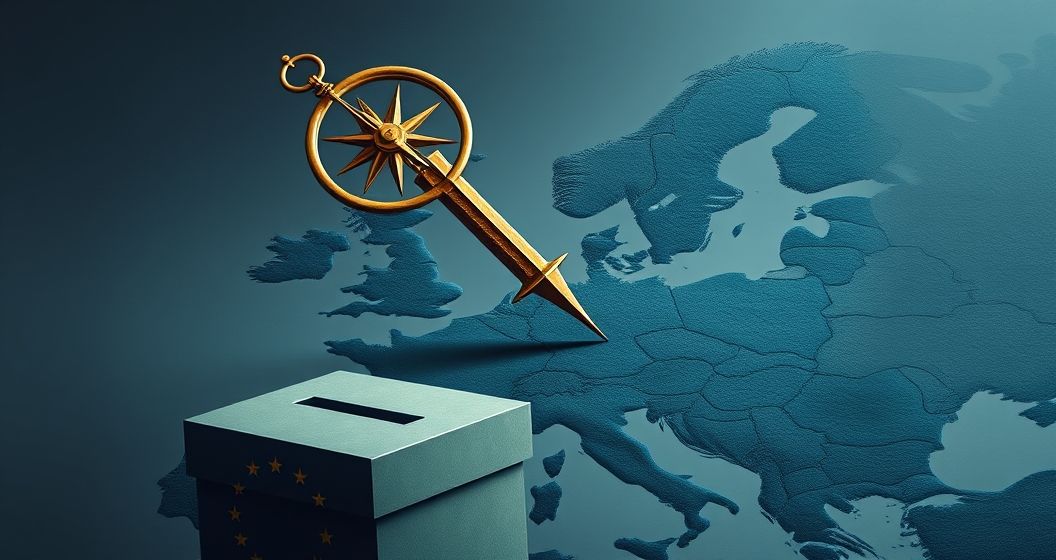
France is currently a hotbed of political discourse and economic recalibration, with the upcoming European elections casting a long shadow over domestic policy and public sentiment. As the nation grapples with inflationary pressures and the intricate dance of international diplomacy, several key narratives are dominating the headlines, painting a complex picture of a country at a crossroads.
The European Election Fever Grips France
The political atmosphere in France is electric as the country gears up for the critical European Parliament elections. President Emmanuel Macron’s centrist coalition faces a formidable challenge, with recent polls indicating a strong surge in support for far-right parties. The outcome of these elections is not merely about representation in Brussels; it’s widely seen as a crucial barometer of public approval for Macron’s domestic policies and his vision for Europe.
- Key Players: The race is largely defined by the clash between Macron’s Renaissance party and Marine Le Pen’s National Rally (RN), with other parties like the Socialists and Reconquête also vying for significant influence.
- Stakes for Macron: A poor showing could severely weaken Macron’s authority on the European stage and potentially impact his ability to push through reforms at home during the remainder of his term. Conversely, a strong performance would validate his pro-European stance and offer a renewed mandate.
- Debate Highlights: Core issues include immigration policy, environmental regulations, defense cooperation, and the future economic direction of the EU. Campaign rhetoric is intensifying, with leaders engaging in heated debates over France’s role and sovereignty within the Union.
Economic Headwinds: Inflation and Purchasing Power
Beyond the political theater, the everyday lives of French citizens are heavily influenced by persistent economic challenges. Inflation, though showing signs of moderation, continues to erode purchasing power, leading to widespread concern among households. The cost of living remains a top priority for voters, and the government’s ability to effectively tackle these issues is under intense scrutiny.
Recent reports highlight the ongoing struggle with elevated energy prices and food costs, forcing many families to adjust their spending habits. The government has introduced various measures, including energy subsidies and targeted aid, but their long-term effectiveness is still being debated. Economists are closely watching France’s budget deficit, which has become a point of contention with EU fiscal rules, adding another layer of complexity to the nation’s financial outlook.
Social Dynamics and Policy Debates
France’s vibrant social landscape continues to be shaped by ongoing debates and occasional unrest. While large-scale protests like those against pension reforms have subsided, specific sectors and regions still voice their grievances over working conditions, public services, and environmental policies. The government’s push for certain reforms, particularly in energy transition and public sector efficiency, often sparks lively public discussions and sometimes localized demonstrations.
For instance, discussions around nuclear energy’s future and the development of renewable sources are frequent, reflecting France’s unique energy mix and its commitment to climate goals. These policy shifts, while aiming for long-term benefits, often bring short-term disruptions and require careful navigation of public opinion. The interplay between these social dynamics and the political campaigning for the European elections underscores the multi-faceted challenges facing France today, all while aiming for a stable and prosperous future within Europe.


