
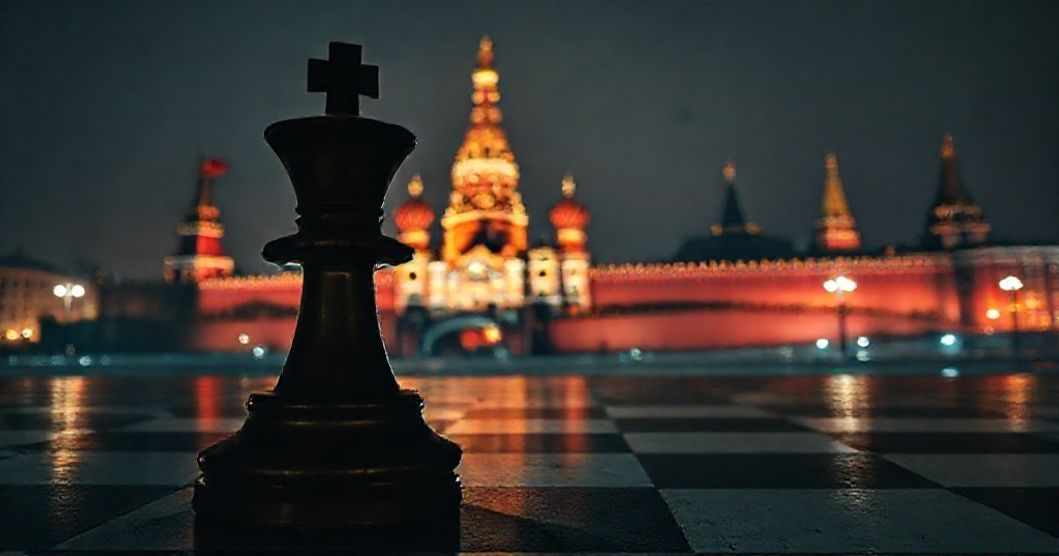
In a rapidly shifting global landscape, Russia continues to command significant attention, with a blend of internal developments and external maneuvers shaping its trajectory. The latest headlines from Moscow and beyond reveal a nation navigating complex challenges, from the ongoing conflict in Ukraine to a concerted effort to recalibrate its economic and diplomatic strategies on the world stage. Understanding these key shifts is crucial for grasping the broader geopolitical dynamics at play.
Escalating Dynamics in the Ukraine Conflict
The conflict in Ukraine remains at the forefront of global news, with recent reports highlighting intensified military engagements and evolving strategic approaches from both sides. Russia’s defense forces are reportedly adapting to new Western military aid packages reaching Ukraine, focusing on counter-offensives and enhanced defensive postures in key areas. Recent analyses suggest a persistent effort by Moscow to consolidate its control over occupied territories while responding to drone attacks and cross-border shelling. The international community watches closely as diplomatic efforts, though sporadic, continue to seek pathways for de-escalation, yet concrete breakthroughs remain elusive. The human cost of the conflict, alongside its profound geopolitical implications, underscores its urgency and prominence in current news cycles.
Economic Resilience Amidst Sanctions
Domestically, Russia’s economy continues its efforts to adapt to extensive international sanctions. Recent data indicates a mixed but generally resilient picture, with the government emphasizing import substitution and the redirection of trade flows. While inflation remains a concern, state measures aimed at supporting key industries and social programs are reportedly cushioning some of the economic blows. The energy sector, a cornerstone of Russia’s economy, has found new markets, particularly in Asia, compensating for reduced exports to Europe. This strategic pivot highlights Russia’s determination to maintain economic stability and pursue independent development paths, despite external pressures. Furthermore, discussions surrounding the role of digital currencies and alternative payment systems are gaining traction as Russia seeks to minimize reliance on Western financial infrastructures.
Forging New Alliances and Global Influence
Beyond its immediate neighborhood, Russia is actively engaged in strengthening its international partnerships, particularly with non-Western nations. The expansion of the BRICS bloc (Brazil, Russia, India, China, South Africa) and its growing influence are frequently highlighted in Russian media as a counterbalance to traditional Western-led institutions. Reports detail Russia’s deepening ties with countries in the Global South, including energy deals, military cooperation, and technology transfers. Relations with China remain a strategic priority, with both nations emphasizing a shared vision for a multipolar world order. These diplomatic efforts aim to reshape global governance and foster new economic corridors that are less susceptible to Western political influence. Russia’s assertive foreign policy seeks to project an image of a formidable player capable of forging enduring alliances and challenging the unipolar narrative.
In summary, Russia’s current trajectory is characterized by a multi-faceted approach: managing the complexities of the Ukraine conflict, bolstering economic self-reliance, and strategically expanding its global alliances. These interconnected developments paint a picture of a nation actively redefining its role and influence in a dynamic international environment.