
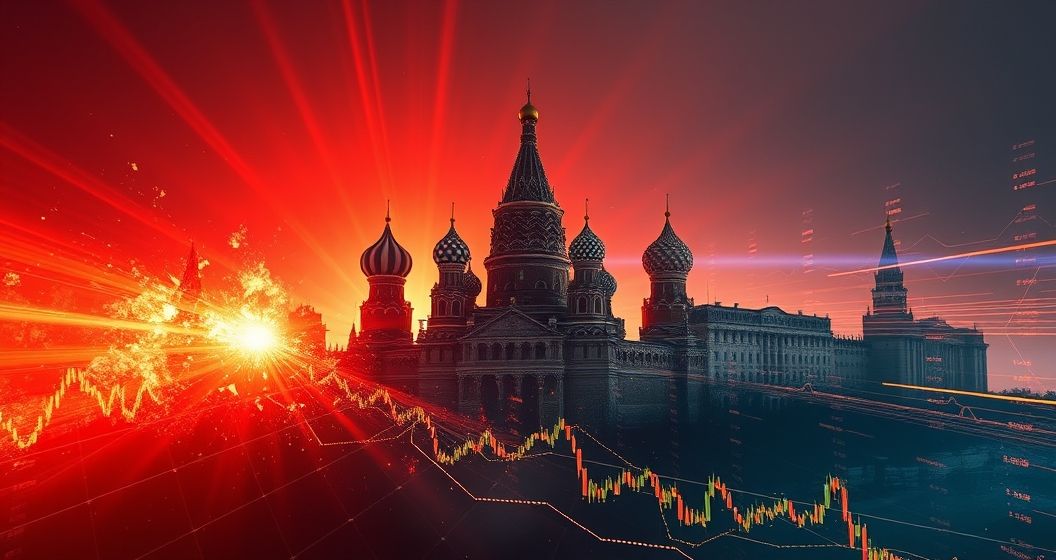
In a whirlwind of recent developments, Russia continues to navigate a complex geopolitical landscape, with significant implications echoing across the globe. From escalating tensions on its borders to critical domestic economic shifts, the nation remains a focal point of international discourse. The latest reports from Russian and international media outlets highlight several key areas demanding immediate attention, offering a snapshot of the current pulse of the region.
Drone Attacks Intensify: Moscow on High Alert
Recent days have seen a noticeable intensification of drone attacks targeting Russian territory, particularly regions bordering Ukraine and even areas close to Moscow. These incidents, frequently reported by local authorities and state media, underscore a shifting dynamic in the ongoing conflict. While Russian air defense systems claim high interception rates, the sheer volume and persistence of these aerial incursions suggest a determined effort to disrupt critical infrastructure and sow apprehension. Officials have frequently condemned these attacks as acts of terrorism, vowing decisive responses. The heightened alert status in several regions has led to increased security measures, impacting daily life and further fueling the information war surrounding the conflict.
Key takeaways from the drone activity:
- Frequency and geographical reach of attacks appear to be increasing.
- Targets often include energy facilities, industrial sites, and urban areas.
- Russian authorities emphasize successful interceptions but acknowledge damage in some cases.
- The incidents contribute to domestic unease and international scrutiny.
Russia’s Economy Under Scrutiny: Resilience Amidst Sanctions
Despite unprecedented international sanctions, Russia’s economy continues to demonstrate a surprising degree of resilience, though challenges persist. Recent analyses from financial experts and government reports indicate that while certain sectors face headwinds, others have adapted by reorienting trade flows and domestic production. The ruble’s stability and inflation rates are closely watched indicators, with the Central Bank making strategic moves to manage economic pressures. Energy revenues, despite diversification efforts by European buyers, remain a crucial pillar, with Russia finding new markets for its oil and gas.
Navigating the Global Economic Maze
The government’s focus remains on bolstering domestic industries, supporting import substitution, and fostering trade relations with non-Western countries. Discussions about the future of the Russian economy often revolve around its long-term ability to sustain growth in a fragmented global economic order. Experts point to both the innovative adaptations being made and the potential for technological and investment gaps to widen over time. The impact on ordinary citizens, particularly regarding consumer prices and employment, remains a key concern for policymakers.
“The adaptability shown by various sectors within the Russian economy is notable, yet the long-term implications of reduced access to advanced technologies and Western markets cannot be overlooked,” an economic analyst recently commented.
Diplomatic Maneuvers: Shifting Alliances and Global Statements
On the diplomatic front, Russia continues its proactive engagement with a diverse array of international partners, seeking to solidify its position in a multipolar world. Recent high-level meetings with leaders from Asian, African, and Latin American nations underscore a clear strategy to counterbalance Western influence. Statements from the Kremlin frequently emphasize a commitment to a new global order based on multilateralism and mutual respect, often in contrast to what it perceives as unilateral Western dominance.
The ongoing dialogue concerning the Ukraine conflict, food security, and energy markets remains central to Russia’s foreign policy agenda. These diplomatic efforts are aimed at building new economic corridors and political alliances, attempting to reshape the international system in a way that better aligns with Moscow’s strategic interests. The constant ebb and flow of international relations means these diplomatic overtures are closely watched for their potential to alter global power dynamics.


