
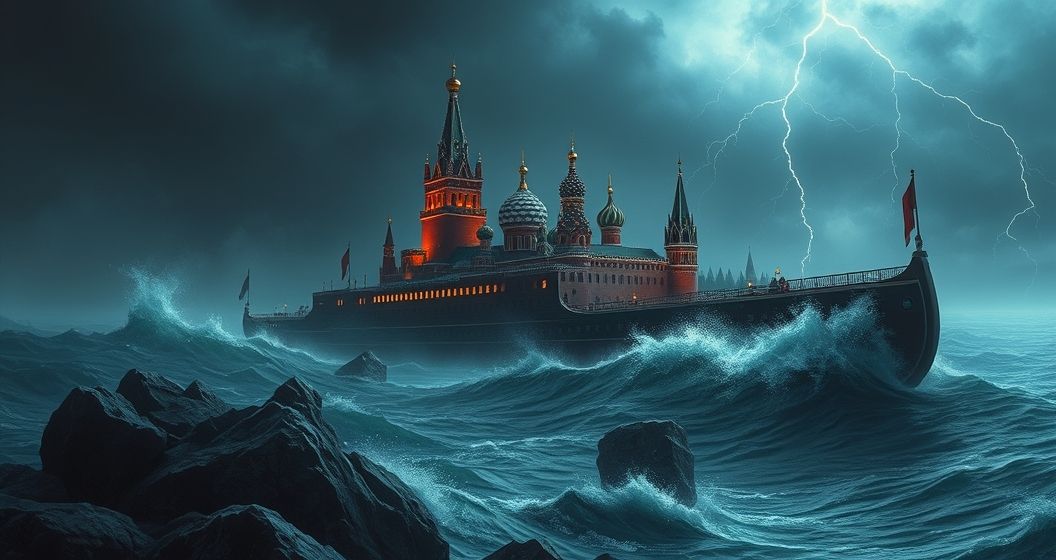
Russia is currently navigating a complex landscape defined by escalating military threats within its borders, strategic economic adjustments, and assertive diplomatic initiatives. The Kremlin’s response to these multifaceted challenges reveals a strategy focused on resilience and adaptation in the face of sustained external pressures. This dynamic situation impacts domestic policy, international relations, and regional stability, drawing close observation from global analysts.
Heightened Security Amid Cross-Border Threats
Recent weeks have seen a notable increase in aerial attacks targeting Russian territory, particularly in regions bordering Ukraine. These incidents, primarily involving unmanned aerial vehicles (UAVs), have tested the country’s air defense systems and prompted heightened security measures. Official reports indicate that infrastructure and industrial facilities have been among the primary targets, forcing a tactical re-evaluation of defensive postures.
In response, authorities have bolstered air defense capabilities in vulnerable areas and increased public awareness campaigns. The Ministry of Defence frequently reports on the interception of drones, aiming to project an image of control and security. These defensive actions underscore a new reality where the conflict’s repercussions are increasingly felt within Russia’s own borders, shifting the strategic focus toward domestic protection.
Economic Adaptation and Fiscal Priorities
On the economic front, the government continues to implement measures designed to insulate the economy from sanctions and fund its strategic priorities. Fiscal policy has been recalibrated to support the military-industrial complex and maintain social stability. The Central Bank plays a crucial role in managing inflation and ensuring the stability of the financial system through careful monetary policy, balancing long-term growth with immediate needs.
A significant element of this economic strategy involves deepening trade and financial ties with non-Western partners. There is a clear pivot towards markets in Asia and the Global South, creating new supply chains and reducing reliance on traditional economic partners. This realignment is not merely a reaction to sanctions but a long-term strategic shift aimed at building a more multipolar global economic order.
Assertive Diplomacy and Shifting Alliances
Russia’s foreign policy has become increasingly assertive as it seeks to strengthen alliances outside the Western sphere. Diplomatic engagements are heavily focused on organizations like BRICS and the Shanghai Cooperation Organisation (SCO). The Kremlin’s rhetoric emphasizes the creation of a fairer international system, challenging the existing global power structure and presenting its vision for international relations.
High-level meetings and joint statements with leaders from key partner nations frequently reiterate shared positions on global security and economic cooperation. These diplomatic efforts are aimed at building a coalition of states that share a similar outlook on global affairs, providing Moscow with both political and economic support on the international stage. This proactive diplomacy is central to its broader geopolitical strategy.
Ultimately, Russia is engaged in a comprehensive effort to manage simultaneous pressures. From reinforcing domestic security against new military threats to re-engineering its economy and forging new diplomatic paths, the country is demonstrating a capacity for strategic adaptation. How these interconnected strategies evolve will be critical in shaping its future trajectory both domestically and in the international arena.