
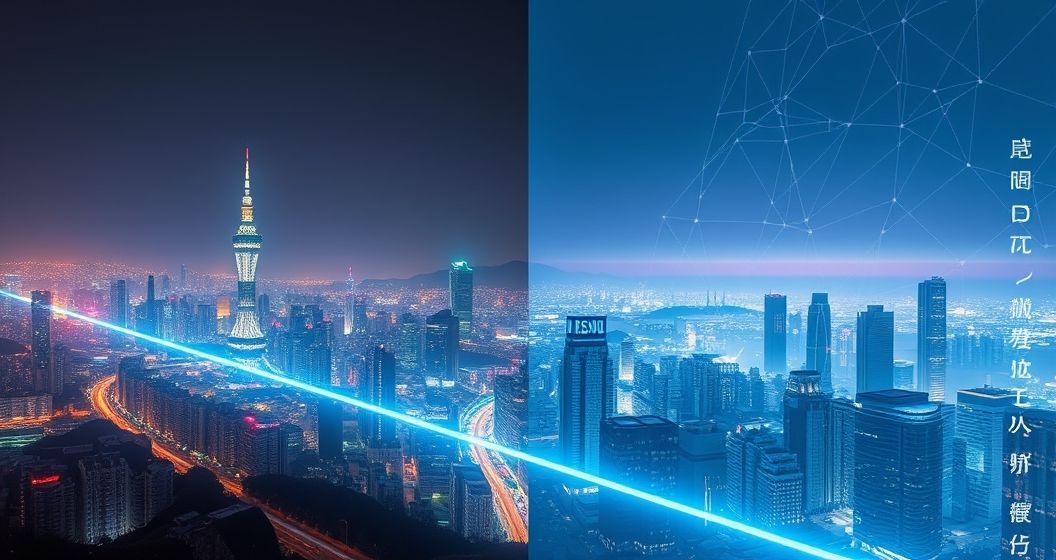
South Korea continues to stand at the forefront of innovation, culture, and geopolitical shifts, navigating a complex landscape of domestic challenges and international dynamics. The nation’s latest headlines paint a vibrant, if sometimes challenging, picture of its ongoing evolution. From the political arena to economic shifts and pressing social issues, understanding what’s buzzing in Seoul is key to grasping the global pulse.
Political Tensions Simmer as New Assembly Takes Helm
The 22nd National Assembly has officially commenced, ushering in a period of intense legislative debate and heightened political maneuvering. Following recent elections, the opposition parties have secured a significant majority, setting the stage for potential clashes with the presidential office on key policy initiatives. Observers are keenly watching for how this dynamic will impact critical reforms, particularly those concerning economic revitalization and social welfare. Debates over crucial bills, including those related to judicial reform and press freedom, are expected to dominate the parliamentary agenda in the coming months, reflecting deep ideological divides.
Key Political Battlegrounds:
- Legislative Gridlock: The potential for stalled legislation due to differing party agendas.
- Accountability and Oversight: Increased scrutiny on government policies and executive decisions.
- Public Opinion: How ongoing political discourse is shaping voter sentiment and future elections.
Economic Resilience Amidst Global Headwinds
Despite persistent global economic uncertainties, South Korea’s economy demonstrates remarkable resilience. However, challenges remain significant. Inflationary pressures continue to be a top concern for policymakers and households alike, prompting ongoing discussions about interest rate policies by the Bank of Korea. Export performance, a traditional powerhouse for the Korean economy, is showing signs of recovery in key sectors like semiconductors and automobiles, but global demand fluctuations require constant vigilance.
The government is actively pushing initiatives to bolster domestic consumption and support small and medium-sized enterprises (SMEs) struggling with rising operational costs. Furthermore, South Korea is doubling down on its investment in future-oriented industries, including AI, biotechnology, and green energy, aiming to solidify its position as a global technology leader.
Addressing the Unprecedented Demographic Crisis
One of South Korea’s most pressing long-term challenges is its critically low birth rate, which continues to set new global records. This demographic crisis, coupled with a rapidly aging population, poses significant threats to the nation’s economic sustainability, social welfare system, and future workforce. The government has unveiled a series of comprehensive measures and substantial financial incentives aimed at encouraging childbirth and supporting young families.
These initiatives include expanded parental leave, increased childcare subsidies, and efforts to create a more family-friendly work environment. However, experts emphasize that a multifaceted approach, addressing issues from housing affordability to gender equality in the workplace, is essential for any meaningful long-term impact. The public debate often highlights the need for a fundamental shift in societal expectations and support structures for working parents.
From the bustling streets of Seoul to its vibrant tech hubs, South Korea is a nation in constant motion, tackling complex issues with characteristic determination. The convergence of political dynamics, economic aspirations, and profound social challenges ensures that its journey remains one of the most compelling narratives on the global stage.


