
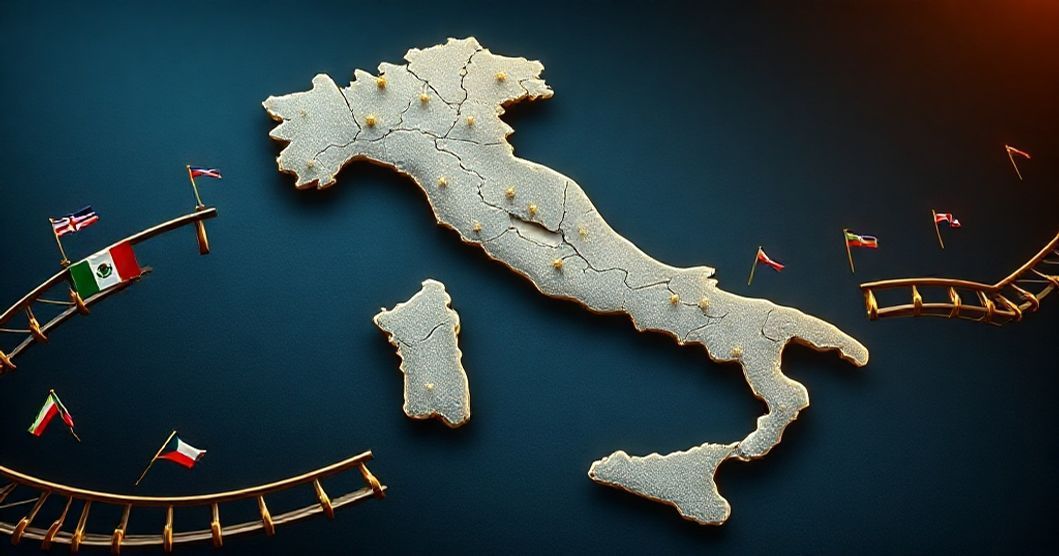
Italy is currently a vibrant hub of political, economic, and diplomatic activity, with major international events converging with critical domestic policy debates. From hosting global leaders at the G7 Summit to navigating complex budget challenges and addressing high-profile human rights cases, the nation is firmly in the spotlight.
G7 Summit: Italy Takes Center Stage on Global Issues
This week, Italy positioned itself at the heart of global diplomacy by hosting the G7 Summit in Puglia. Under the leadership of Prime Minister Giorgia Meloni, leaders from the world’s most industrialized democracies convened to tackle pressing issues ranging from the ongoing conflict in Ukraine and global economic stability to the accelerating pace of artificial intelligence development and climate change. The summit saw crucial discussions on strengthening support for Ukraine, particularly regarding frozen Russian assets, and fostering greater collaboration on pressing challenges facing the Global South. Meloni’s role as host allowed Italy to showcase its growing influence on the international stage, underscoring its commitment to multilateralism and its strategic importance within both European and Mediterranean contexts. Delegations also focused heavily on energy security and sustainable development, with Italy emphasizing its unique position as a bridge between Europe and Africa.
Meloni Government Grapples with Challenging Budget Law
Domestically, the Meloni government is facing a critical period as it prepares for the highly anticipated budget law. Economic experts and political analysts are closely scrutinizing the proposals, which are expected to address Italy’s significant public debt while attempting to stimulate growth and alleviate cost-of-living pressures. Reports indicate that the government is aiming to balance fiscal prudence with measures designed to support families and businesses, potentially including targeted tax cuts and social welfare initiatives. However, the delicate balancing act comes amidst a backdrop of rising interest rates and persistent inflation, making the task particularly challenging. The upcoming months will be crucial for the administration to demonstrate its economic stewardship and deliver on its electoral promises while adhering to EU fiscal rules. Debates within the ruling coalition are reportedly intense, highlighting the complexities of steering Italy’s economy through turbulent global waters.
Ilaria Salis Case: A Diplomatic Hot Potato
The high-profile case of Ilaria Salis, an Italian teacher detained in Hungary, continues to dominate headlines and fuel diplomatic tensions. Salis, accused of assault during an anti-fascist demonstration, has been held in pre-trial detention, often appearing in court in shackles, sparking outrage and concern across Italy. Her father’s recent public statements have intensified calls for her immediate release and improved detention conditions, drawing significant media attention to her upcoming hearing. The situation has become a litmus test for human rights advocacy and international cooperation within the European Union, with the Italian government actively engaged in diplomatic efforts to ensure fair treatment and a swift resolution. Many are watching closely to see how this sensitive case will impact Italy’s relations with Hungary and potentially influence broader EU discussions on judicial standards and citizens’ rights.
EU Elections Aftermath: Shifting Political Landscapes
While the immediate focus is on current events, the recent European Parliament elections continue to shape Italy’s political landscape. The results have seen shifts in voter preferences, impacting the balance of power both domestically and within the broader European Union. Prime Minister Meloni’s Fratelli d’Italia party performed strongly, solidifying its position as a dominant force. The aftermath includes ongoing discussions about potential new alliances within the European Parliament and how Italy’s delegation will influence key policy decisions in Brussels. The election outcomes are expected to have long-term implications for Italy’s approach to immigration, economic integration, and environmental policies, reflecting a dynamic period of political realignment across the continent. These shifts will undoubtedly inform the Meloni government’s future strategies and its engagement with fellow EU member states.
From global summits to deeply personal legal battles, Italy remains a focal point for both domestic and international observers, navigating a complex web of challenges and opportunities on the world stage.